


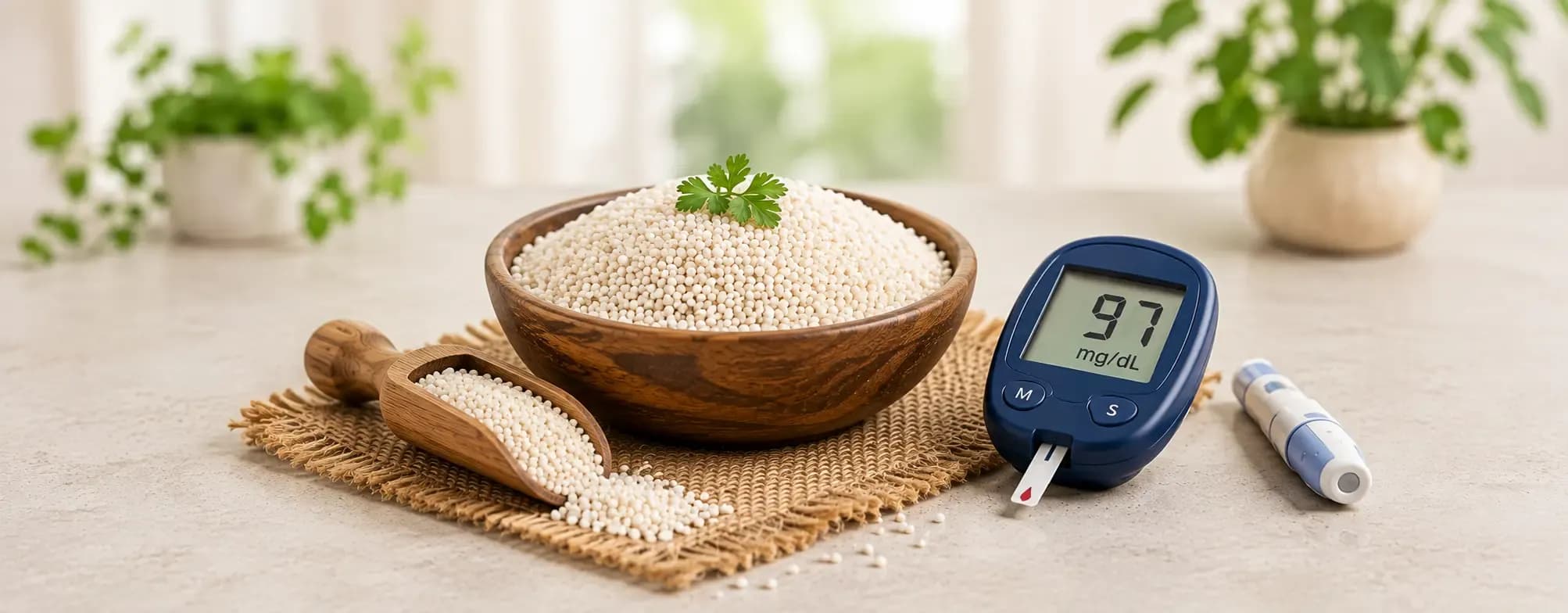
On fasting days, regular grains take a back seat, while samak rice quietly takes the spotlight. Don’t let the name fool you; Samak rice is not really rice at all. It is a tiny, grain-like seed, often mistaken for rice, but it is actually a member of the millet family. This seed is light on the stomach, naturally gluten-free, and rich in fibre. So, the question is: Is Samak rice (Bhagar) good for diabetes? Let us find out.
What is Samak Rice?
Samak rice is also called barnyard millet, vari or bhagar. Often, people get confused, thinking it is rice, but it is actually the dehusked seed of a millet, and it has gained popularity among health-conscious individuals and those managing blood sugar levels.
Light on the stomach yet rich in nutrients, it serves as a smarter carbohydrate option for better glycemic control.
What is the Barnyard millet Glycemic index?
The barnyard millet glycemic index ranges between 42 to 50, which makes it a low-GI food. This means it raises blood sugar slowly and steadily, unlike refined white rice, which causes quick spikes.
What is Samak Rice Nutrition?
The nutritional breakdown of Samak rice per 100 g is approximately based on IFCT 2017*
| Nutrient | Amount |
|---|---|
| Energy | 346 kcal |
| Carbohydrate | 65.55 g |
| Protein | 10.13 g |
| Fat | 3.89 g |
| Calcium | 16 mg |
| Fibre | 12.6 g |
It is rich in fibre, plant protein, and healthy fats, which help keep you full and support stable blood sugar levels.
Packed with essential minerals like calcium, phosphorus, magnesium, zinc, iron and copper, essential for bone strength, energy, and metabolism.
A natural source of powerful plant compounds such as lignans, phenolic compounds, beta- glucans, sterols, inulin and flavonoids.
Samak rice and Diabetes?
- Lower fasting and post-meal blood sugar levels.
- Reduce HbA1c (blood sugar marker)
- Lower the overall glycemic load (GL) of a meal when paired with protein and vegetables.
- Improve metabolic health when included consistently.
However, portion size and preparation are important. Even low-GI foods can raise glucose levels when consumed in excess or combined with high-GI foods, such as fried or sugary dishes.
For example, a study on samak rice (barnyard millet) showed that people with type 2 diabetes saw a small drop in their blood sugar levels after eating it regularly for 28 days. There were also slight improvements in their cholesterol levels.
What are the Samak Rice Benefits?
- Samak rice has a low glycemic index, meaning it releases sugar into the bloodstream slowly. This helps to prevent sudden spikes in blood glucose levels.
- It is high in fibre, which keeps you full for longer, reduces cravings, and supports healthy weight loss.
- Samak rice is naturally gluten-free, making it a good option for those with celiac disease or gluten intolerance. It is also light on the stomach and easy to digest.
- Samak rice is rich in iron, magnesium, phosphorus, and B-complex vitamins, which improve metabolism, boost energy, and support bone health.
- Its fibre supports digestion, prevents constipation, and promotes the growth of good gut bacteria.
- Being nutrient-dense and easy to digest, Samak rice provides sustained energy and supports a strong immune system.
How to Include Samak Rice in a Diabetes-Friendly Diet?
Portion: Stick to ½ to ¾ cup (cooked) per meal
Pair with protein: Add dal, paneer, tofu, or eggs.
Add fibre: Mix in leafy greens and vegetables
Use healthy fats: Cook with a teaspoon of ghee or olive oil
What are the Barnyard Millet Recipes: Smart Ways to Add Samak Rice to Your Daily Meals?
Samak Rice Khichdi: A warm and wholesome bowl of samak rice, moong dal, and vegetables such as carrots, beans and peas. Seasoned with cumin, ginger, and a touch of ghee. For an extra protein boost, serve with curd or add paneer cubes.
Samak Rice Salad with Chickpeas: This salad features boiled samak rice, chickpeas, tomatoes, cucumbers, onions, mint, and coriander. Tossed with lemon juice, olive oil and seasoning. Add boiled eggs on top for an extra protein boost.
Samak Rice Dosa: Soak samak rice and urad dal overnight, then grind them into a smooth batter and ferment it. Cook into crisp dosas and pair with sambar or egg curry.
Samak Rice Upma with Soya Chunks: A protein-rich upma made by cooking samak rice with soaked soy chunks, mustard, curry leaves, onion, carrots, and beans.
A Word of Caution:
Overeating samak rice, or cooking it with high-fat or sugary sides, can still lead to high blood sugar levels.
If you are on diabetes medication or insulin, consult your nutritionist about making changes in your diet.
Everyone’s body reacts differently, so keeping track of your blood sugar (using a Continuous Glucose Monitoring system) can help you find the right portion size for you.
Conclusion
Samak rice is a light, gluten-free, and nutrient-dense millet that supports blood sugar control and heart health. It has a low to moderate glycemic index when eaten in moderation and paired with protein and vegetables.
Samak rice can be both a comforting traditional food and a healthy, wise choice.
How PB Health Can Support You?
When someone in your family needs medical care, you shouldn’t have to worry about what happens next or who will manage each step.
At PB Health, we believe good healthcare requires proper planning and regular follow-up. Our doctors and care teams work together using technology to track progress, schedule follow-ups, and keep all information clear. From prevention to recovery, every step is handled carefully so nothing important is missed.
To learn more about our approach, visit the PB Health website.