


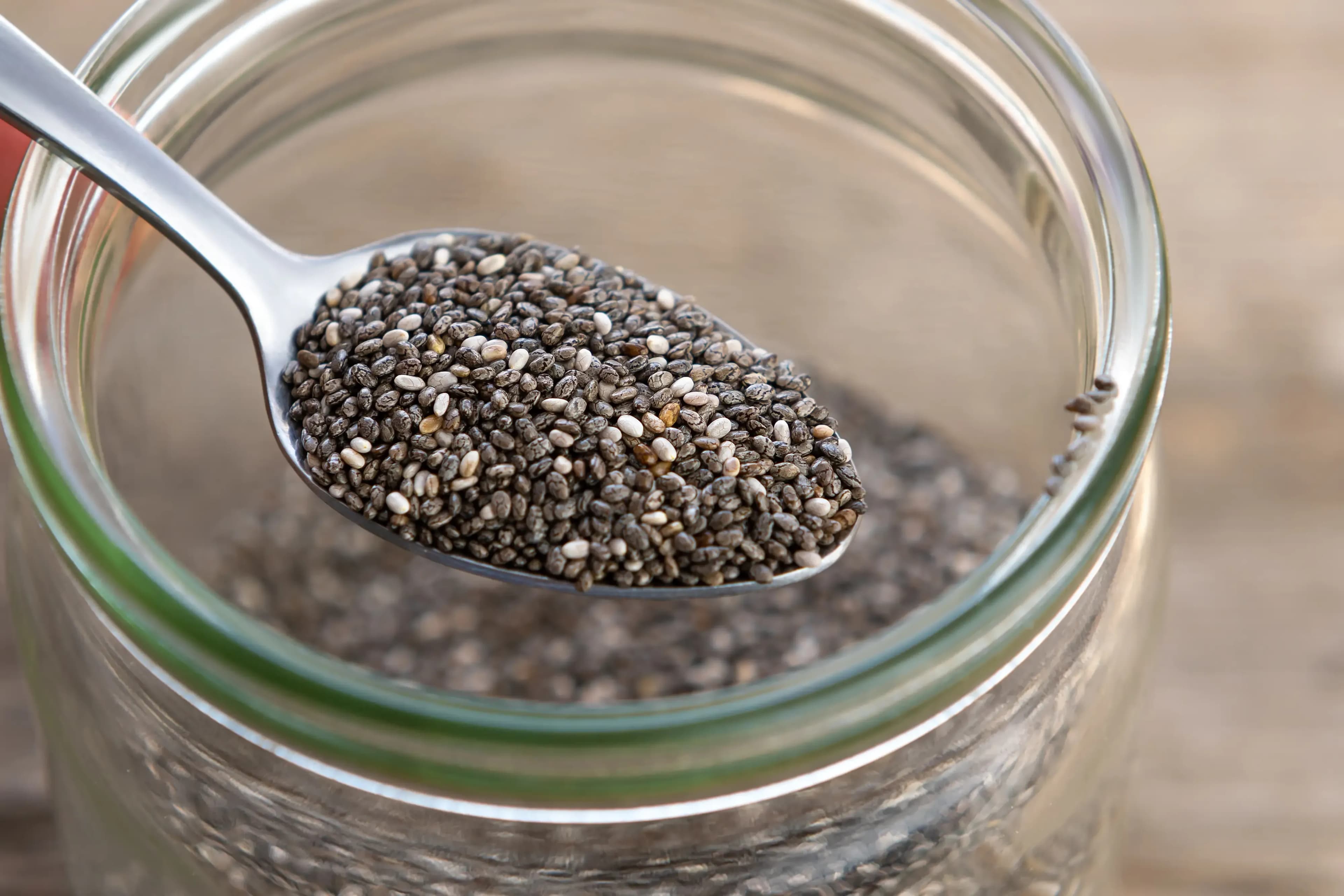
When we think about boosting our health, chia seeds often come to mind. These versatile tiny seeds can enhance any dish, from gravies to salads.
Known for their numerous health benefits, chia seeds for diabetes are often recommended by health experts. But can they actually help in managing diabetes?
Let’s explore this in the blog.
What is the Nutritional Value of Chia Seeds?
Chia seeds are full of essential nutrients, containing omega-3 fatty acids, fibre, protein, calcium, antioxidants, and various micronutrients. According to IFCT, 2017, 100 grams of chia seeds contain:
What is the GI of Chia Seeds?
The glycemic index (GI) measures how quickly foods raise blood sugar levels. Chia seeds for diabetes is particularly beneficial because it has a low GI, which makes them an excellent choice for people managing their blood sugar levels.
Chia seeds help avoid sudden spikes and drops by causing a gradual increase in blood sugar.
What are the Benefits of Chia Seeds for People with Diabetes?
Chia seeds can help you manage diabetes by:
1. Slowing Down Digestion: Chia seeds are high in fibre, which aids in slowing down digestion. This leads to a gradual release of glucose into your bloodstream, effectively preventing sudden spikes in blood sugar levels.
2. Weight Management & Enhancing Sense of Satisfaction: Chia seeds expand when soaked in water/milk, forming a gel-like substance. This can help you feel fuller for longer, reducing the likelihood of overeating and helping with weight management, which is one of the most important factors in managing diabetes.
3. Stabilising Blood Sugar Levels: Key studies and research have shown that chia seeds can help stabilise blood sugar levels after meals. Consuming chia seeds regularly can lead to better blood sugar control over time.
4. Heart Health: Chia seeds’ omega-3 fatty acids support cardiovascular health, which is crucial for people with diabetes, by lowering the risk of heart disease and improving overall heart function.
5. Anti-inflammatory Properties: Findings on chia seeds and diabetes indicate that chia seeds are rich in antioxidants that help reduce inflammation, a common problem for people with diabetes. By lowering inflammation, chia seeds can help manage diabetes symptoms and reduce complications.
What are the Ways to Incorporate Chia Seeds into Your Diet?
You can incorporate chia seeds in various ways in your daily diet. Here are a few recipes:
1. Chia Seed Raita: Add a tablespoon of soaked chia seeds to your regular kheere (cucumber) ka raita or pudine (mint) ka raita. This not only adds a nutritional punch but also gives a delightful texture to the raita.
2. Chia Seed Lassi: Blend chia seeds with your low-fat dahi/milk lassi for a refreshing and nutritious drink. Soak a tablespoon of chia seeds in water for about 30 minutes and then mix them into your lassi for added fibre and omega-3s.
3. Chia Seed Chutney: Add chia seeds to your favourite chutneys. Whether it’s coconut chutney, mint chutney, or tomato chutney, a spoonful of chia seeds can increase the fibre content and make it healthier.
What are the Potential Risks and Considerations of Consuming Chia Seeds?
While chia seeds are generally safe, there are a few considerations:
1. Digestive Issues: Due to their high fibre content, chia seeds may cause digestive issues if consumed in large quantities. Start with small amounts and increase gradually.
2. Medication Interactions: Chia seeds can affect blood sugar levels, so if you’re on diabetes medication, monitor your blood sugar closely and consult your doctor before making significant changes to your diet.
How Can PB Health Support You?
When someone in your family needs care, you should not have to worry about what happens next or who is responsible for each step.
At PB Health Hospital, IFFCO Chowk, Gurgaon, we believe wellness requires continuity, coordination, and consistent follow-through. Our doctors and care teams work together, supported by technology that helps track progress, organise follow-ups, and keep information clear and accessible. From prevention to recovery, every stage is managed thoughtfully so that nothing important is missed and nothing is left unclear.
For personalised diabetes management, PB Health can help you seek appropriate medical guidance on blood sugar monitoring, balanced nutrition and how chia seeds may fit into your diet.
To understand more about our approach, you can visit our website, PB Health.
Conclusion
Chia seeds are a nutrient-rich food that can be included in a balanced diet for people with diabetes. Their fibre, protein, omega-3 fatty acids and antioxidants may support blood sugar management, weight management and heart health. However, chia seeds should be consumed in appropriate amounts and should not replace prescribed diabetes treatment or a balanced diet.