


When we talk about nutrition, we often hear about calcium, protein, and iron. But there’s another essential mineral that quietly does a lot for your body – Magnesium. It doesn’t get the spotlight it deserves, but magnesium is a “hidden gem” mineral that quietly supports our health every day.
Unfortunately, magnesium often goes unnoticed in our diets, despite its crucial roles in muscle function, heart health, and energy production.
Let’s find out why magnesium matters, which Indian foods are magnesium-rich, and simple ways to include more of it in your meals.
Why is Magnesium Important for Our Body?
Magnesium supports a wide range of functions in your body. Here’s how it helps:
- Muscle and Nerve Function: Magnesium is essential for muscle relaxation, preventing cramps and spasms, and transmitting nerve signals.
- Bone Strength: Magnesium helps in the activation of vitamin D, which further regulates calcium and phosphate to maintain bone health.
- Energy Production: Magnesium is involved in many processes that release energy and is also essential for various metabolic pathways.
- Immunity: Magnesium plays a crucial role in supporting immune function. It’s involved in both the innate and adaptive immune responses, influencing the activity of various immune cells and modulating inflammation.
- Sleep Quality: Magnesium improves sleep quality and reduces insomnia, especially in older adults. It also supports sleep-wake cycles by regulating melatonin and circadian rhythm.
- Heart Health: It helps regulate heart rhythm and control blood pressure.
A deficiency in magnesium can result in fatigue, muscle cramps, high blood pressure, anxiety, and even heart problems.
How Much Magnesium Do You Really Need?
When it comes to nutrients, one size definitely doesn’t fit all! The amount of magnesium your body needs depends on your age, gender, and life stage, like pregnancy or lactation. That’s why health experts have laid out specific recommendations to help Indians meet their daily magnesium needs.
The table below shows the Recommended Dietary Allowance (RDA) as per Indian nutrition guidelines.
| Category / Age Group | Body Weight (kg) | RDA (mg/day) |
|---|---|---|
| Adult Men (>18 yrs) | 65 | 440 |
| Adult Women (>18 yrs) | 55 | 370 |
| Pregnant Women | 55 | 440 |
| Lactating Women | 55+ | 400 |
How Much Magnesium Do You Really Need?
When it comes to nutrients, one size definitely doesn’t fit all! The amount of magnesium your body needs depends on your age, gender, and life stage like pregnancy or lactation. That’s why health experts have laid out specific recommendations to help Indians meet their daily magnesium needs.
The table below shows the Recommended Dietary Allowance (RDA) as per Indian nutrition guidelines.
| Category / Age Group | Body Weight (kg) | RDA (mg/day) |
|---|---|---|
| Adult Men (>18 yrs) | 65 | 440 |
| Adult Women (>18 yrs) | 55 | 370 |
| Pregnant Women | 55 | 440 |
| Lactating Women | 55+ | 400 |
10 Magnesium-Rich Foods to Add to Your Diet
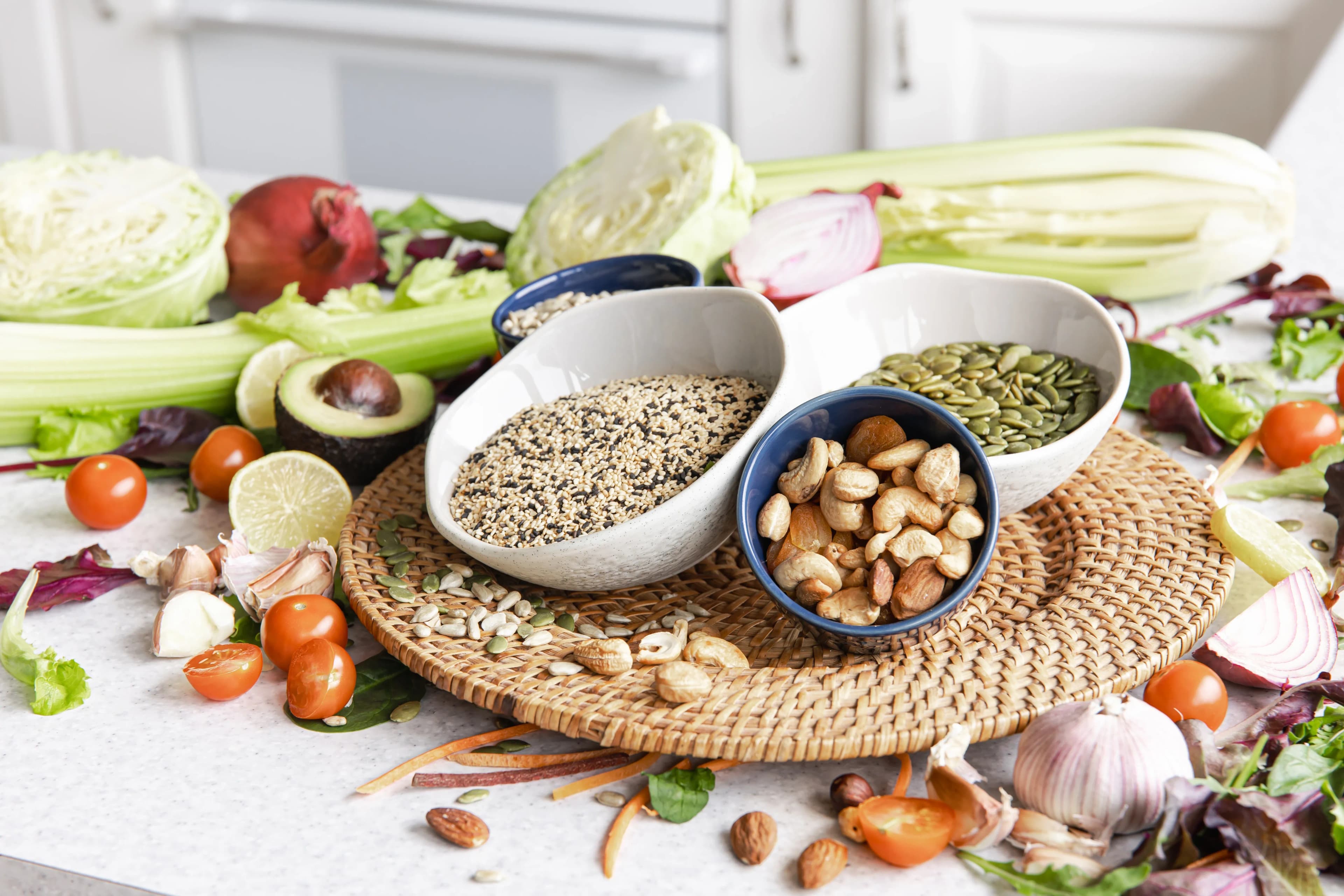
Luckily, our Indian kitchens are packed with magnesium-rich ingredients. Here are some you can start adding to your meals (IFCT):
| Food Item | Magnesium (per 100g) |
|---|---|
| Pumpkin Seeds (roasted) | 535 mg |
| Chia Seeds | 335 mg |
| Almonds | 270 mg |
| Dark Chocolate (70–85% cocoa) | 228 mg |
| Spinach (cooked) | 87 mg |
| Moringa Leaves | 97 mg |
| Chickpeas (Chole, cooked) | 48 mg |
| Brown Rice (cooked) | 43 mg |
| Tofu | 30 mg |
| Banana | 27 mg |
Even small portions of these foods throughout the day can make a big difference!
How to Help Your Body Absorb Magnesium Better?
Eating magnesium-rich foods is a great start. But how you pair and prepare them can improve absorption:
- Pair with Vitamin D: Sunlight exposure and foods like eggs enhance magnesium absorption.
- Include Vitamin B6 and Healthy Fats: Foods such as avocado, bananas, and nuts help your body utilise magnesium more efficiently.
- Support Gut Health: Probiotic foods like curd and fibre-rich whole grains improve gut health and mineral absorption.
- Soak, Sprout, and Cook: Soaking or sprouting beans and grains, and cooking leafy greens reduces anti-nutrients (like phytates and oxalates) that block magnesium absorption.
- Limit Excess Tea, Coffee, Alcohol, and Sodas: These can reduce magnesium absorption, so consume them in moderation.
How to Add More Magnesium to Your Diet
- Start your day with soaked almonds or chia pudding for breakfast.
- For lunch, try dal palak, brown rice, or a chickpea salad.
- Snack on roasted pumpkin seeds or a small piece of dark chocolate in the evening.
- For dinner, have a tofu stir-fry or dal with moringa leaves.
- Include curd with your meals to support gut health and magnesium absorption.
Magnesium might be low-key, but it plays a big role in keeping you energised, calm, and strong. Whether it’s better sleep, fewer muscle cramps, or a healthier heart, this mineral quietly supports your overall wellness.
The good news? You don’t need fancy supplements. Just a few mindful tweaks to your daily meals can make a real difference.
How Can PB Health Support You?
When someone in your family needs care, you should not have to worry about what happens next or who is responsible for each step.
At PB Health Hospital, IFFCO Chowk, Gurgaon, we believe wellness requires continuity, coordination, and consistent follow-through. Our doctors and care teams work together, supported by technology that helps track progress, organise follow-ups, and keep information clear and accessible. From prevention to recovery, every stage is managed thoughtfully so that nothing important is missed and nothing is left unclear.
For personalised advice on nutrition and magnesium intake, consult the care team at PB Health Hospital.
To understand more about our approach, you can visit our website, PB Health.
Conclusion
Magnesium is an essential mineral that supports muscle and nerve function, bone health, energy production, and heart health. The good news is that many magnesium-rich foods are already part of the Indian diet, including leafy greens, pulses, nuts, seeds, and whole grains.
By including a variety of these foods in your daily meals and following balanced eating habits, you can support your overall magnesium intake naturally. If you are concerned about magnesium deficiency or considering supplements, speak to your doctor before starting them.