


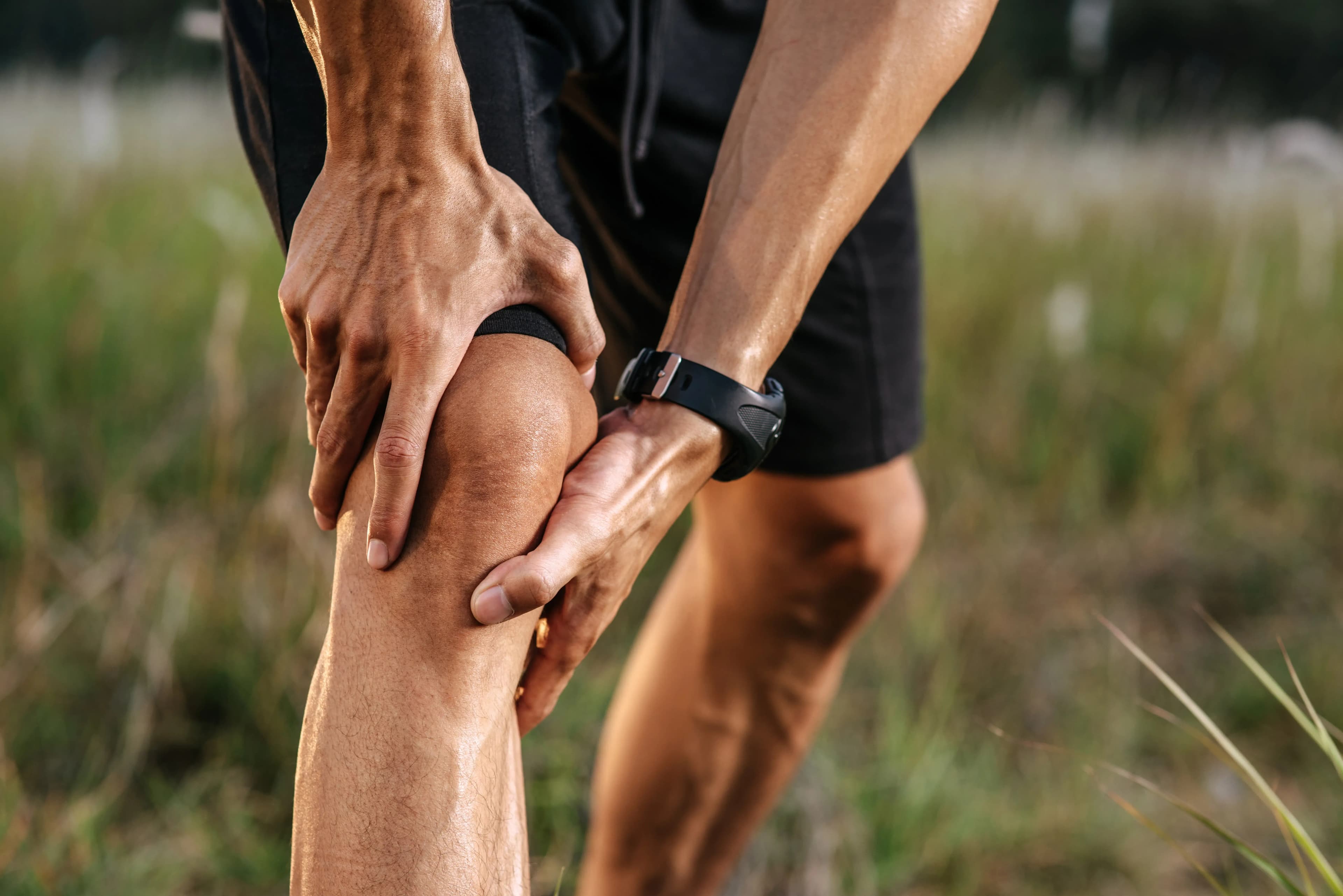
Training for a marathon takes months of effort. But while runners focus on increasing mileage and improving their pace, one important area often gets overlooked: knee strength. Knee pain can interrupt training, affect performance, and make even a short run uncomfortable.
For runners in Delhi-NCR, preparing for a marathon may also mean dealing with changing weather, air pollution, busy roads, and limited opportunities for uninterrupted outdoor training. A balanced routine that combines strength exercises, mobility work, and gradual running progression can help prepare the knees for the demands of long-distance running.
The goal is to build strength, improve control, and recognise early warning signs.
Why Are Knee Injuries Common Among Marathon Runners?
Running places repeated loads on the knees, hips, and ankles. Problems can develop when training intensity increases too quickly, or recovery is inadequate.
Running-related knee pain may involve conditions such as patellofemoral pain (often called runner’s knee) or iliotibial band syndrome. These have different causes and may need different management. Factors that can contribute to symptoms include:
- Increasing running distance or speed too quickly.
- Insufficient strength or conditioning in the quadriceps, glutes, or hip muscles for an individual runner’s training demands.
- Poor control of the leg during single-leg movements.
- Inadequate recovery between demanding sessions.
- Previous knee injuries or persistent movement-related pain.
- Wearing unsuitable or excessively worn running shoes.
7 Knee-Strengthening Exercises for Marathon Runners
Strength training can support lower-body capacity and movement control, but no exercise routine guarantees that knee injuries will be prevented. Choose a manageable selection rather than doing all seven exercises at once. Beginners may start with one or two sets of selected exercises and progress according to comfort, technique and recovery. If you have a current or recent knee injury, seek individualised advice.
1. Squats
Squats strengthen the quadriceps, glutes, and other muscles that help control the knee during running.
How to do them:
- Stand with your feet approximately shoulder-width apart.
- Push your hips backwards and bend your knees as if sitting on a chair.
- Keep your feet flat and knees aligned with your toes.
- Return to standing without rushing.
Suggested starting point: 2 to 3 sets of 8 to 12 repetitions.
Start with bodyweight squats. Move to a comfortable depth and avoid forcing the movement if it causes knee pain.
2. Step-Ups
Step-ups train the legs to manage the single-leg demands of running, while also strengthening the quadriceps and glutes.
How to do them:
- Stand in front of a low, stable step.
- Place one foot completely on the step.
- Push through that foot to stand up.
- Step down slowly and repeat on the other side.
Suggested starting point: 2 sets of 8 to 10 repetitions per leg.
Use a low step initially. Keep your knee aligned with your foot, rather than letting it collapse inward.
3. Glute Bridges
The gluteal muscles help control the pelvis and leg during running. Glute bridges are a simple way to strengthen them without putting heavy demands on your knees.
How to do them:
- Lie on your back with your knees bent and feet flat on the floor.
- Keep your arms by your sides.
- Tighten your glutes and lift your hips.
- Pause briefly, then lower your hips slowly.
Suggested starting point: 2 to 3 sets of 10 to 15 repetitions.
Avoid arching your lower back to lift your hips higher.
4. Calf Raises
The calf muscles contribute to running propulsion and help manage the forces involved in each step. Strengthening them supports the lower leg and ankle during repetitive activity.
How to do them:
- Stand with your feet hip-width apart.
- Hold a wall or railing for balance if needed.
- Raise your heels slowly.
- Pause at the top and lower with control.
Suggested starting point: 2 to 3 sets of 12 to 15 repetitions.
As your strength improves, you can progress to single-leg calf raises, provided you can maintain good balance.
5. Step-Downs
Step-downs develop controlled knee movement and single-leg stability. They can help runners improve control while lowering their body weight onto one leg.
How to do them:
- Stand on a low step with one foot near the edge.
- Slowly lower the opposite heel towards the floor.
- Keep the standing knee aligned with your toes.
- Return to the starting position.
Suggested starting point: 2 sets of 6 to 10 repetitions per leg.
Use a low step and reduce the range of movement if necessary. Stop if the exercise causes sharp or increasing pain.
6. Side-Lying Leg Raises
The muscles on the side of the hip help control the position of the thigh during running. Side-lying leg raises are a beginner-friendly way to strengthen these muscles.
How to do them:
- Lie on your side with your legs straight.
- Keep your hips stacked, and your upper body relaxed.
- Lift your top leg without rotating your pelvis.
- Lower it slowly.
Suggested starting point: 2 sets of 10 to 15 repetitions per side.
Keep the movement controlled rather than lifting your leg as high as possible.
7. Single-Leg Balance
Running involves repeated periods when only one foot is on the ground. Balance exercises can build stability and awareness of your leg position.
How to do them:
- Stand upright near a wall or sturdy support.
- Lift one foot slightly off the floor.
- Keep your standing knee soft and your pelvis level.
- Hold the position before switching legs.
Suggested starting point: 2 to 3 rounds of 20 to 30 seconds per leg.
Progress by extending the holding time or performing controlled reaches with the free leg. Prioritise stability over difficulty.
How Should Delhi-NCR Runners Structure Their Training?
Strength exercises are only one part of marathon preparation. Your weekly running plan should also give your body enough time to adapt.
Increase running distance gradually: Avoid sudden jumps in weekly mileage, long-run distance, or speed work. There is no single mileage-increase rule that suits every runner. Consider your experience, recent training, recovery, and injury history.
Warm up before running: Start with 5 to 10 minutes of brisk walking or easy jogging, then add dynamic movements like leg swings and controlled walking lunges. Warm-ups should prepare you for the planned run without causing fatigue.
Schedule strength training sensibly: Many runners can start with two strength sessions per week. Place demanding leg workouts away from key long runs when possible, and reduce the workload if fatigue affects your running technique.
Choose suitable running routes and conditions: Delhi-NCR runners may train on roads, tracks, treadmills, or park paths. Choose stable, familiar surfaces where practical, and avoid sudden changes in terrain or elevation during a demanding training block.
Check local air-quality conditions before outdoor sessions. When pollution is high, consider moving indoors, shortening the workout, or postponing strenuous exercise. People with asthma or other respiratory conditions may need additional precautions.
Allow time for recovery: Sleep, adequate nutrition, hydration, and rest days support recovery. Avoid trying to compensate for missed runs by squeezing several demanding sessions into a short period.
When Should You Stop Running and Seek Medical Advice?
Not all knee discomfort signals a serious injury, but ignoring worsening symptoms can delay recovery.
Reduce or stop running and arrange an assessment with a qualified clinician if you experience:
- Knee pain that persists or repeatedly returns during training.
- Swelling around the knee.
- Pain that changes your running gait.
- Difficulty climbing stairs or bearing weight comfortably.
- Reduced knee movement or a feeling that the knee is giving way.
Seek urgent medical assessment if you cannot bear weight, the knee becomes severely swollen or deformed, or the joint is hot and red with fever. A knee that locks or becomes unstable also needs prompt evaluation.
How PB Health Can Support Marathon Runners
Persistent knee pain, swelling or difficulty bearing weight during marathon training should not be ignored. A clinical assessment can help identify the underlying cause and guide appropriate treatment, rehabilitation and decisions about returning to running.
At PB Health Hospital, IFFCO Chowk, Gurgaon, runners with knee discomfort or suspected injuries can seek an orthopaedic consultation. Dr Sumit Batra, Director, Orthopaedics at PB Health, is identified in the original draft; confirm his current designation and availability before publication.
Book an orthopaedic consultation: Visit PB Health to find current appointment options.
How to Add Knee-Strengthening Exercises to Your Marathon Training
Start with two or three exercises that match your current ability, such as a squat variation, a hip-strengthening exercise and a calf or balance exercise. Many recreational runners can begin with two strength sessions per week, leaving recovery time between challenging workouts.
Use the suggested repetitions as examples, not fixed targets. Increase repetitions, resistance or movement difficulty gradually when you can complete the exercises with control and without worsening symptoms. Avoid introducing an unfamiliar heavy session immediately before a long run or race.
If an exercise produces sharp pain, increasing swelling, limping or symptoms that persist afterwards, stop that exercise and seek medical guidance.
Conclusion
Preparing your knees for a marathon means more than completing long runs. Squats, step-ups, glute bridges, calf raises, step-downs, side-lying leg raises, and balance exercises can help build strength and control when performed consistently and progressed appropriately.
Combine strength training with gradual mileage increases, adequate recovery, and attention to pain. For Delhi-NCR runners, checking air quality and choosing suitable training conditions are equally practical steps. If knee symptoms persist or worsen, seek professional advice rather than pushing through the pain.