

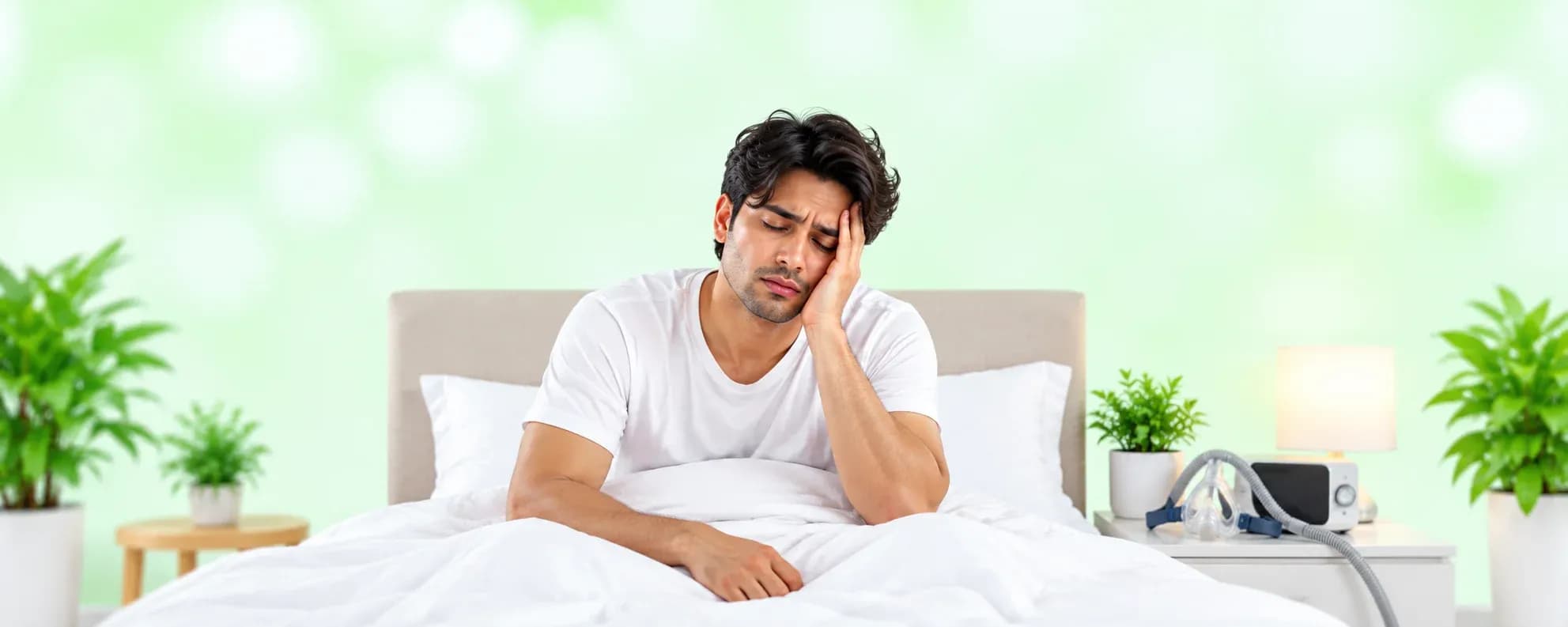


You may think loud snoring is simply a normal part of sleep. But when snoring is accompanied by pauses in breathing, gasping or persistent daytime tiredness, it may be a sign of a sleep-related breathing disorder.
Sleep apnea is a condition in which breathing repeatedly becomes reduced or stops during sleep. These interruptions can disturb sleep and may go unnoticed by the person experiencing them. Recognising the warning signs early can help you seek medical evaluation before the problem affects your daily life.
Here are 10 signs discussed in this blog that should not be ignored.
1. Loud or frequent snoring:
Loud, persistent snoring is one of the most recognisable signs of obstructive sleep apnea. It occurs when airflow through the upper airway becomes restricted during sleep.
However, not everyone who snores has sleep apnea, and snoring alone cannot confirm the condition.
2. Pauses in breathing during sleep
A partner or family member may notice that you stop breathing for several seconds while asleep. These pauses can occur repeatedly throughout the night.
Some people may not be aware that this is happening, making observations from someone who sleeps nearby particularly useful.
3. Gasping, choking or snorting at night
Some people with sleep apnea suddenly gasp, choke or snort as breathing resumes. These episodes can briefly wake the person or cause a change in sleep pattern without them fully remembering it the next morning.
If a partner regularly notices these episodes, it is worth discussing them with a doctor.
4. Excessive daytime sleepiness
Do you feel tired even after spending enough time in bed? Repeated interruptions to breathing can fragment sleep and prevent normal restorative sleep.
As a result, you may feel sleepy during the day, struggle to stay alert during meetings or classes, or find yourself dozing off while watching television or travelling as a passenger. Excessive daytime sleepiness is a recognised symptom of obstructive sleep apnea.
5. Waking with a dry mouth or sore throat
Breathing through the mouth during sleep can leave you with a dry mouth or irritated throat when you wake up.
Although these symptoms can have several causes, they may occur alongside other signs of sleep apnea. Recent clinical guidelines list morning dry mouth among the symptoms that may indicate obstructive sleep apnea.
6. Morning headaches
Some people with sleep apnea experience headaches after waking. These may occur because repeated breathing disturbances during sleep can affect oxygen and carbon dioxide levels.
Morning headaches are not specific to sleep apnea, so they need to be considered along with other symptoms and risk factors.
7. Poor concentration or memory problems
Poor-quality sleep can affect attention, concentration and memory during the day. You may find it harder to focus on work, remember routine tasks or stay mentally alert.
These problems can have many possible causes, including insufficient sleep, stress, medications and other medical conditions. When they occur along with loud snoring or witnessed breathing pauses, sleep apnea should be considered.
8. Mood changes or irritability
Persistent tiredness can affect how you feel and function during the day. Some people may notice irritability, low motivation or changes in mood.
These symptoms are not enough to diagnose sleep apnea on their own, but they can add to the overall picture when other warning signs are present.
9. Frequent waking to pass urine at night
Some people with sleep apnea report waking repeatedly during the night to urinate, a symptom known as nocturia.
There are many other reasons for frequent nighttime urination, including diabetes, urinary problems and drinking large amounts of fluid before bed. However, current sleep apnea guidelines recognise nocturia as a possible symptom of the condition.
10. Waking up feeling unrefreshed
Getting what seems like a full night's sleep does not always mean that you have had restorative sleep. If you regularly wake up feeling exhausted, struggle to get going in the morning and remain tired throughout the day, it may be worth looking beyond your sleep duration and considering your sleep quality.
Non-restorative sleep is recognised among the symptoms associated with obstructive sleep apnea.
What causes sleep apnea?
The most common type in adults is obstructive sleep apnea. It happens when the upper airway becomes repeatedly narrowed or blocked during sleep.
Several factors can increase the risk, including:
- Excess body weight or obesity
- A larger neck circumference
- Enlarged tonsils or other anatomical features that narrow the airway
- Increasing age
- A family history of sleep apnea
- Certain medical conditions, including hypertension and type 2 diabetes
- Certain craniofacial features
When should you see a doctor?
Consider speaking to a doctor if you regularly experience several of the symptoms above, particularly if someone has noticed that you stop breathing, gasp or choke during sleep.
A doctor may review your symptoms, medical history and physical findings before deciding whether you need a sleep evaluation. Depending on your circumstances, testing may involve an overnight sleep study or a home sleep apnea test. These tests measure breathing and other sleep-related parameters to help establish a diagnosis.
A home test is not suitable for everyone. The choice of test depends on your symptoms, medical history and other health conditions.
Also Read: Sleep Debt Is Real: How It Affects Your Weight, Mood, and Immunity
How is sleep apnea treated?
Treatment depends on the type and severity of sleep apnea and the individual's overall health. Possible approaches include:
- Positive airway pressure therapy: CPAP or APAP can help keep the airway open during sleep in people with obstructive sleep apnea.
- Weight management: For people who are overweight or obese, weight management may form part of the overall treatment plan.
- Oral appliances: Certain patients may benefit from a dentist-fitted oral appliance.
- Positional therapy: Some people may be advised to avoid sleeping on their back.
- Surgery: In selected patients, surgery may be considered when anatomical problems contribute to airway obstruction.
Treatment should be based on an established diagnosis and individual clinical assessment. The American Academy of Sleep Medicine recommends PAP therapy for adults with obstructive sleep apnea in several clinical situations, including those with excessive sleepiness.
Conclusion
Sleep apnea does not always announce itself clearly. Loud snoring, breathing pauses, nighttime gasping, morning headaches, and persistent daytime tiredness can all be clues.
If these symptoms occur regularly, especially together, do not dismiss them as simply being a poor sleeper. A medical evaluation can help determine whether sleep apnea or another condition is responsible and whether treatment is needed.
How PB Health can support you
PB Health Hospital, IFFCO Chowk, Gurgaon can help you connect with the appropriate pulmonology specialist if you have persistent snoring, daytime sleepiness or other symptoms that may suggest sleep apnea. A doctor can review your symptoms and medical history, guide you on whether a sleep evaluation is needed, and help you understand the next steps based on your results.