


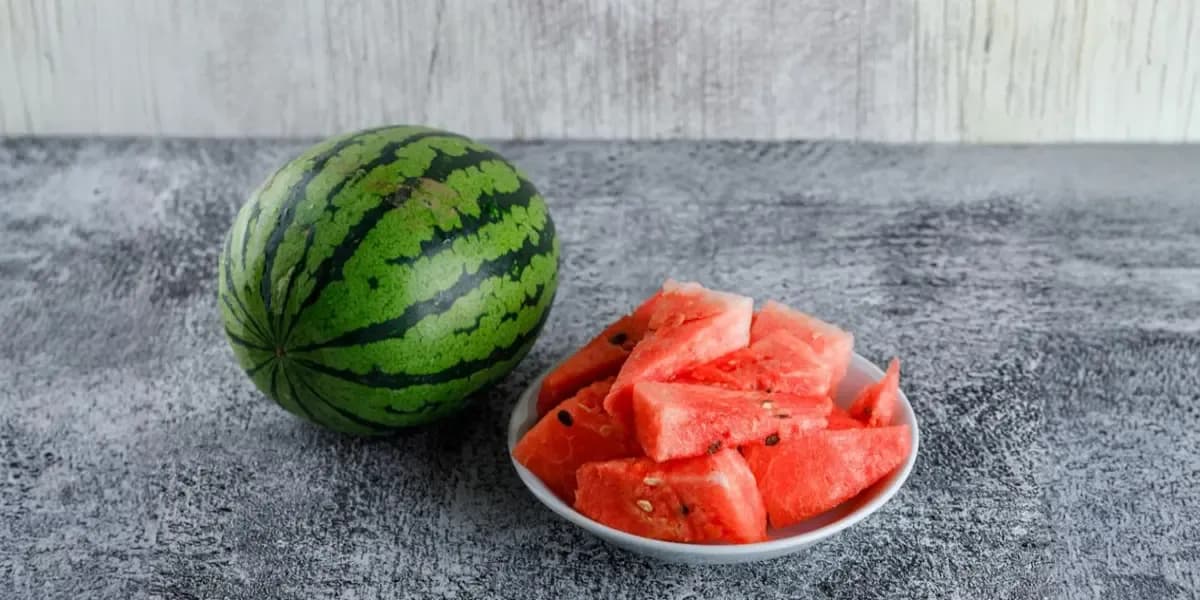
Watermelon brings back so many childhood memories – whether it was enjoying a big slice on a hot afternoon, picking out the seeds, or having it after school from the roadside vendor. It’s one of the most loved summer fruits, known for its refreshing taste and natural sweetness. But if you have diabetes, you might hesitate before taking a bite, wondering if it’s safe for you.
Since watermelon is naturally sweet, many people worry that it might raise their blood sugar levels. The truth is that watermelon can be a part of a diabetes-friendly diet if eaten in the right portions.
In this blog, we’ll break down whether people with diabetes can eat watermelon, how it affects blood sugar, and the best way to enjoy it without worry as part of your diabetes management.
What is the Nutritional Value Of Watermelon?
Watermelon is made up of 91% water, making it an excellent way to stay hydrated. It is naturally low in calories, rich in vitamins, minerals, and antioxidants, and provides natural sugars that offer quick energy without added processed sugars.
A 100 grams of small slice of watermelon contains:
| Nutrient | Nutritional Value |
|---|---|
| Calories | 30 kcal |
| Water | 91 g |
| Carbohydrates | 8 g |
| Sugars | 6 g |
| Dietary Fiber | 0 g |
| Protein | 1 g |
| Fat | 0 g |
| Potassium | 112 mg |
How Much Sugar is in Watermelon?
Watermelon contains 6 grams of natural sugar per 100 grams (roughly a small slice). This is less sugar than a banana (~14g per 100g) and mango (~ 8 g per 100 g – Alphonso) but more than strawberries (~4 g per 100g).
Since watermelon is mostly water, the sugar in it is not as concentrated as in processed sweets. This means it doesn’t raise blood sugar as quickly. However, eating too much at once can still affect blood sugar levels, so it’s important to watch your portion size.
Is Watermelon Good for Diabetes?
Watermelon has a high glycemic index (GI) of 72, which means its sugars can be absorbed quickly. However, its glycemic load (GL) is only 5 per 120g serving, meaning it doesn’t spike blood sugar drastically when eaten in moderate portions.
👉 What does this mean?
High GI, Low GL: The sugars break down fast, but because there’s not a lot of sugar content in a typical portion, the overall effect on blood sugar is small.
Pair it Smartly: Eating watermelon with protein, fiber, or healthy fats (ike nuts and seeds) helps slow down sugar absorption and prevents sharp blood sugar spikes.
So, while watermelon can be included in a diabetes-friendly diet, it should be eaten in small, mindful portions.
✅ Tip: If you have diabetes, stick to a serving size of ½ to 1 cup of diced watermelon and pair it with protein or fiber-rich foods (like nuts, curd, or seeds) to slow sugar absorption.
What Are the Health Benefits of Watermelon for People with Diabetes?
1. Keeps You Hydrated: Since watermelon is 91% water, it helps keep your body hydrated, which is especially important for people with diabetes, as they may be more prone to dehydration.
2. Rich in Antioxidants: Watermelon contains powerful antioxidants (like lycopene, vitamin C, and beta-carotene) that help reduce inflammation, protect cells, and may lower the risk of diabetes-related complications.
3. Supports Heart Health: Watermelon contains citrulline and potassium, which may help lower blood pressure and improve blood circulation. Since people with diabetes have a higher risk of heart disease, eating watermelon in moderation can be beneficial.
4. Aids Digestion: Watermelon has both fiber and high water content, which can help with digestion and prevent constipation.
5. May Support Insulin Function:
Some studies indicate that watermelon contains L-citrulline, which could play a role in how the body processes insulin. However, further research is needed to confirm its effects.
Don’t Spit, Eat the Seeds! We usually spit out watermelon seeds, but did you know they’re actually nutritious? They help slow sugar absorption and are packed with healthy fats, fiber, and protein, which balance the fruit’s natural sugars. You can dry and eat them as a snack – on their own, in a seed mix, or with nuts.
Store-bought ones are white because their outer layer is removed during processing. So next time, maybe don’t toss them aside!
What are the Other Health Benefits of Eating Watermelon?
Watermelon has many health benefits other than being good for blood sugar management:
Strengthens the Immune System: Rich in vitamin C, which helps the body fight infections.
Good for Skin & Hair: Vitamin A and C help keep skin healthy and hair strong.
Supports Eye Health: Contains beta-carotene and lutein, which help maintain good vision.
May Reduce Muscle Soreness: Citrulline in watermelon may help with muscle recovery after exercise.
Helps with Weight Management: Watermelon is low in calories and high in water, making it a great snack for those trying to maintain or lose weight.
3 Tips for Incorporating Watermelon into Your Diet
✅ Stick to Small Portions: Eat ½ to 1 cup of diced watermelon at a time.
✅ Pair it with Protein or Healthy Fats: Try watermelon with nuts, seeds, or yoghurt/curd for balanced sugar absorption.
✅ Add to Salads: Mix watermelon, cucumber, feta cheese, and mint for a refreshing summer salad.
4 Common Myths About Watermelon for People with Diabetes
🚫 Myth #1: Watermelon is Too Sweet for People with Diabetes
✔ Truth: While it contains natural sugar, it can be eaten in moderation without drastically affecting blood sugar.
🚫 Myth #2: Watermelon Causes Instant Blood Sugar Spikes
✔ Truth: It has a high GI but a low glycemic load, meaning its effect on blood sugar is small when eaten in controlled portions.
🚫 Myth #3: Diabetics Should Avoid Watermelon Completely
✔ Truth: Watermelon can be included in a diabetes-friendly diet as long as it’s eaten in small, controlled portions.
🚫 Myth #4: Watermelon Juice is Just as Healthy as Whole Watermelon
✔ Truth: Juice lacks fiber, which helps slow sugar absorption, making whole watermelon the better choice.
What is the Best Time to Eat Watermelon?
The best time to eat watermelon is during the day, preferably in the morning or afternoon. Eating it earlier helps with digestion and provides hydration and energy. Avoid eating it at night, as its high sugar and water content may cause bloating or disturb sleep.
How Can PB Health Support You?
When someone in your family needs care, you should not have to worry about what happens next or who is responsible for each step.
At PB Health Hospital, IFFCO Chowk, Gurgaon, we believe wellness requires continuity, coordination, and consistent follow-through. Our doctors and care teams work together, supported by technology that helps track progress, organise follow-ups, and keep information clear and accessible. From prevention to recovery, every stage is managed thoughtfully so that nothing important is missed and nothing is left unclear.
To understand more about our approach, you can visit our website, PB Health.