


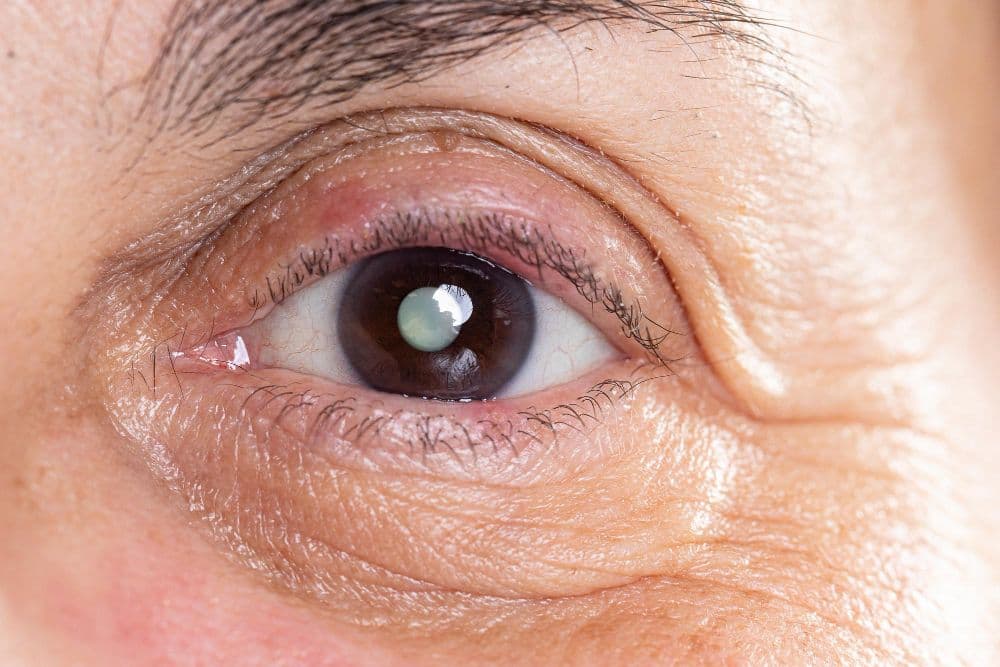


Vision changes often happen slowly, so you may think they are a normal part of ageing. You may find it harder to read, notice bright lights at night, or have difficulty seeing things clearly from the sides. These changes may be signs of eye conditions such as cataracts or glaucoma.
Both conditions can affect your eyesight, but they develop differently and require different treatments. Understanding the difference between cataracts and glaucoma can help you recognise warning signs and seek early medical care to protect your vision.
What Is the Difference Between Cataracts and Glaucoma?
Cataracts and glaucoma affect different parts of the eye.
What is an eye cataract?: A cataract develops when the eye's normally clear lens becomes cloudy. This makes it harder for light to pass through clearly, causing blurred or hazy vision. Cataracts commonly develop with age, although eye injuries, certain medicines, medical conditions and previous eye surgery can also increase the risk.
Common cataract symptoms include:
- Blurred, cloudy or dim vision
- Difficulty seeing clearly at night
- Glare or halos around lights
- Faded or yellowish colours
- Frequent changes in spectacle prescription
- Difficulty reading or recognising faces
Cataracts usually develop slowly and may affect one or both eyes. They are not usually painful.
What is glaucoma? Glaucoma refers to a group of eye conditions that damage the optic nerve, which carries visual information from the eye to the brain. High pressure inside the eye is a major risk factor, but glaucoma can also occur when eye pressure is within the normal range.
The most common type, open-angle glaucoma, which develops gradually without noticeable early symptoms. Peripheral, or side, vision may be affected first. Without treatment, the damage can progress and cause permanent vision loss.
Possible glaucoma symptoms include:
- Gradual loss of side vision
- Difficulty noticing objects at the edges of your visual field
- Patchy areas of missing vision in later stages
- Blurred vision in some cases
A sudden attack of angle-closure glaucoma is different. It can cause severe eye pain, a red eye, blurred vision, halos around lights, headache, nausea or vomiting. This is a medical emergency.
Cataracts vs Glaucoma: Key Differences
| Feature | Cataracts | Glaucoma |
|---|---|---|
| Part affected | The lens of the eye | The optic nerve |
| Main problem | Clouding of the lens | Damage to the optic nerve |
| Early symptoms | Blurred or cloudy vision, glare | Often no noticeable symptoms |
| Vision changes | Usually affects overall clarity | Often affects side vision first |
| Pain | Usually painless | Usually painless in common forms, but acute angle-closure glaucoma can be very painful |
| Treatment | Surgery when vision is significantly affected | Eye drops, laser treatment or surgery to help prevent further damage |
| Can damage be reversed? | Vision can often be improved with surgery | Existing optic nerve damage is generally permanent |
How Can You Spot the Warning Signs Early?
The first signs may be subtle, especially with glaucoma. Pay attention to changes in your everyday vision.
1. Notice changes in clarity: If your vision seems cloudy, colours appear dull, or you need more light to read, a cataract may be one possible cause. An eye examination can confirm whether the lens is cloudy.
2. Pay attention to side vision: Glaucoma may affect peripheral vision before you notice a problem with central vision. Difficulty seeing objects approaching from the side can have several causes, so do not rely on this symptom alone to identify glaucoma.
3. Watch for glare at night: Headlights and streetlights that appear unusually bright or produce halos may be associated with cataracts. Other eye conditions can also cause glare, so persistent symptoms deserve assessment.
4. Do not wait for symptoms: This is especially important for glaucoma. Many people with early glaucoma feel no pain and see clearly enough to continue their usual activities. Regular comprehensive eye examinations can identify changes before obvious vision loss develops.
Who Is at Higher Risk?
Age is a major risk factor for both cataracts and glaucoma. Other risk factors include:
You may have a higher risk of cataracts if you:
- Have diabetes.
- Have had an eye injury.
- Smoke.
- Take steroids for a long time.
- Have prolonged exposure to ultraviolet (UV) light.
You may have a higher risk of glaucoma if you:
- Have a family history of glaucoma.
- Have raised eye pressure.
- Have diabetes.
- Have experienced certain eye injuries.
- Have other recognised risk factors, depending on the type of glaucoma and your background.
How Are Cataracts and Glaucoma Diagnosed?
An eye specialist may perform several tests depending on your symptoms and risk factors. For cataracts, the examination usually includes checking visual acuity and examining the lens with a specialised microscope.
For glaucoma, assessment may include:
- Measuring eye pressure
- Examining the optic nerve
- Testing peripheral vision
- Measuring corneal thickness when appropriate
- Checking the drainage angle of the eye
- Using scans to assess the optic nerve and retinal nerve fibres
What Are the Treatment Options?
Cataract treatment: In the early stages, better lighting or an updated spectacle prescription may help. When cataracts interfere with daily activities such as reading, driving, or recognising faces, doctors may recommend cataract surgery. During surgery, doctors remove the cloudy lens and usually replace it with an artificial lens.
Glaucoma treatment: Glaucoma treatment aims to lower eye pressure and prevent further damage to the optic nerve. Depending on the type and severity, treatment may include prescription eye drops, laser procedures or surgery.
Treatment usually cannot restore vision already lost to glaucoma, but early diagnosis and appropriate management can help preserve remaining sight. Follow your prescribed treatment and attend review appointments even when your vision seems normal.
When Should You Seek Medical Attention?
Consult an eye specialist for persistent blurred vision, glare, difficulty seeing at night, or unexplained vision changes. Seek emergency care for sudden, severe eye pain; redness with blurred vision or halos; nausea or vomiting; or sudden vision loss, as these may indicate acute angle-closure glaucoma.
Conclusion
Cataracts cloud the lens, while glaucoma damages the optic nerve and can gradually reduce side vision. Cataracts often cause noticeable blurring, but glaucoma may progress without early warning signs. Do not wait until your eyesight affects daily life. Regular eye examinations, early diagnosis and appropriate treatment can help protect your vision.
How Can PB Health Support You?
At PB Health Hospital, IFFCO Chowk, Gurgaon, our team can help you access appropriate care. PB Health can help patients seek medical assessment for vision changes and other eye-related concerns. A healthcare professional can guide you to the right eye examination, specialist evaluation, and treatment pathway. Sudden vision loss or severe eye pain requires urgent medical attention.