


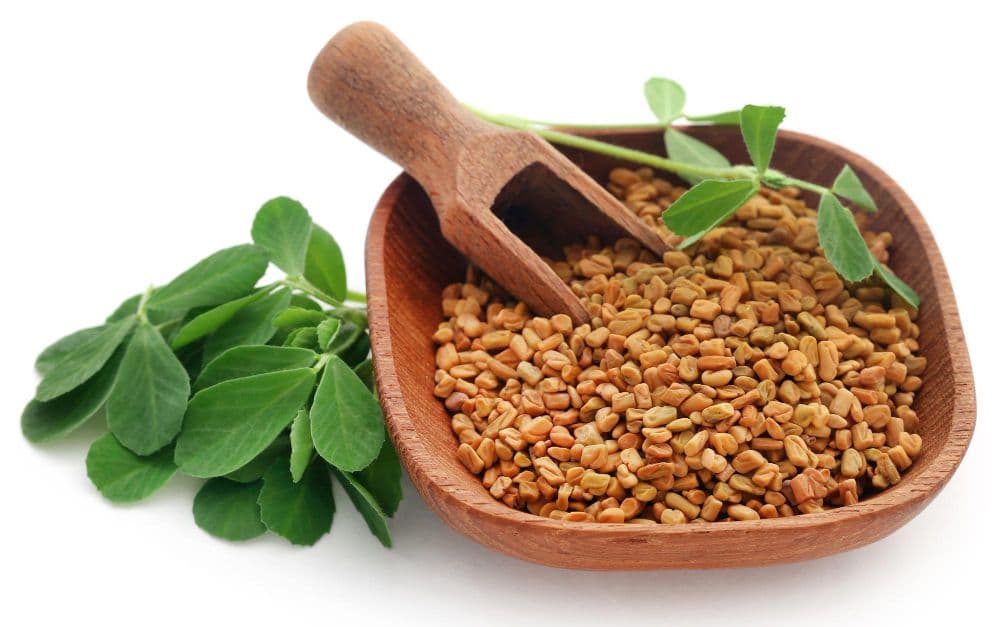
Can You Eat Fenugreek if You Have Diabetes?
Absolutely, yes!
Fenugreek seeds (methi dana) are not only safe for people with early-stage diabetes or prediabetes, but they can also support post-meal blood sugar control. For personalised diabetes management in Gurgaon, seek guidance from a qualified healthcare professional.
However, fenugreek is not a magic fix for people with diabetes; let’s find out why!
Nutritional Value of Fenugreek Seeds (per 100g)
| Nutrient | Amount |
|---|---|
| Calories | 235 kcal |
| Carbohydrates | 1.0 g |
| Fibre | 4.8 g |
| Protein | 2.5 g |
| Fat | 0.5 g |
Benefits of Fenugreek Seeds in Early Diabetes
Fenugreek is not a universal remedy for diabetes. While it may help in the early stages, like in prediabetes or when someone is newly diagnosed, it does not show significant benefits in cases of long-term, poorly managed diabetes, or when complications have set in.
Here are some benefits of consuming fenugreek in your diet.
Can Fenugreek Help Reduce Blood Sugar Levels?
Fenugreek seeds are rich in soluble fibre, especially a compound called galactomannan, which slows down carbohydrate absorption in the small intestine. While it may not directly lower blood sugar, it helps prevent sudden spikes in post-meal blood sugar levels, also known as postprandial glucose.
Can Fenugreek Improve Insulin Sensitivity?
Yes, some studies suggest that regular fenugreek intake may improve how your body responds to insulin, particularly in newly diagnosed or prediabetic individuals.
Note:
- It has no direct impact on fasting blood sugar or insulin production
- Works best with diet, activity, and medical care in early diabetes
Myth vs Fact: Is Fenugreek Good For Diabetes?
| Myth | Fact |
|---|---|
| Fenugreek cures diabetes. | It doesn’t cure diabetes; it helps manage sugar spikes after meals (postprandial blood sugar). |
| Fenugreek directly lowers blood sugar levels like a drug. | It may slow down sugar absorption, reducing spikes, not baseline sugar levels. |
| Drinking methi water alone will control your diabetes. | Only a balanced approach (diet, activity, medication) can help. |
| You can stop your medication if you take fenugreek daily. | Never stop prescribed meds without your doctor’s guidance. |
So, Who May Benefit From Fenugreek?
If you’re in the early phase of diabetes or prediabetes, fenugreek may help in:
- Reducing post-prandial (after-meal) blood sugar spikes
- Supporting better insulin sensitivity in mild, early cases
- Offering digestive fibre and antioxidants that complement lifestyle management
But remember:
It does not reduce fasting blood sugar and won’t help in advanced or poorly controlled diabetes.
How Much Fenugreek Can People with Diabetes Take?
You can consume 1–2 teaspoons (5–10 grams) of seeds daily in the following ways:
- Soaked in water (Drink water along with the seeds)
- Sprouted
- Powdered and added to food
- As part of traditional Indian meals
Always monitor your blood sugar, especially if you’re already on medications, to avoid dipping too low.
Are There Any Side Effects of Eating Fenugreek?
Fenugreek is generally safe when consumed in moderate amounts. But:
While generally safe in moderate amounts, some people may experience:
- Bloating, gas or acidity (especially when taken raw or on an empty stomach)
- Low sugar levels (hypoglycaemia) if combined with diabetes medicines
- Allergic reactions (especially if allergic to peanuts)
- Uterine contractions during pregnancy in large amounts
- Worsening of kidney stress in people with diabetic nephropathy
Always consult your doctor before adding it to your routine, especially if you have existing complications or are on medication.
How Can PB Health Support You?
At PB Health Hospital, IFFCO Chowk, Gurgaon, we believe wellness requires continuity, coordination, and consistent follow-through. Our doctors and care teams work together, supported by technology that helps track progress, organise follow-ups, and keep information clear and accessible. From prevention to recovery, every stage is managed thoughtfully so that nothing important is missed and nothing is left unclear.