


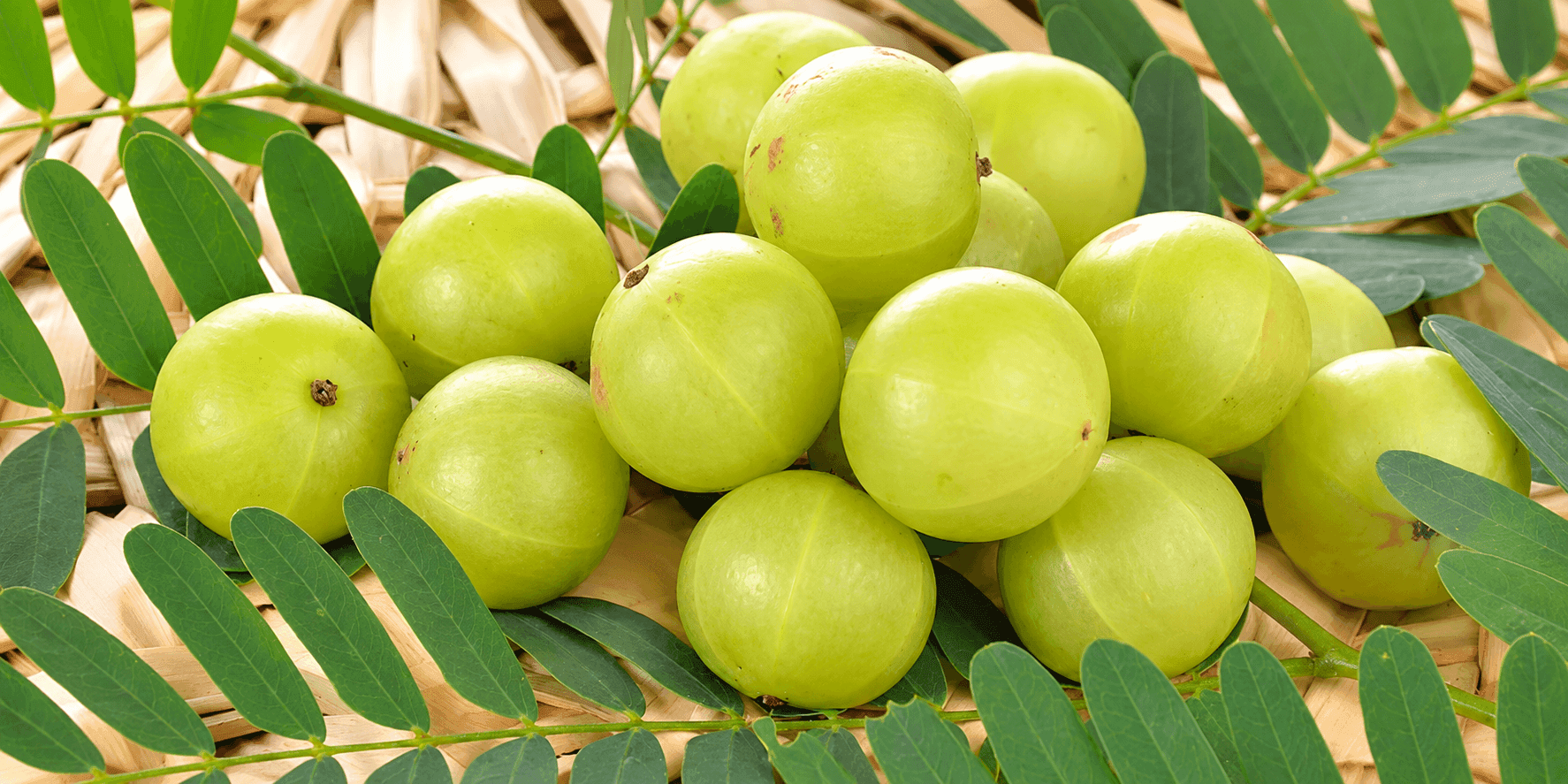
The picture of the Indian gooseberry or amla being sold on a thela with some spicy masala and rock salt conjures up wonderful childhood memories, doesn’t it?
Whether it is running to have a few of these tangy amlas with your friends or assisting your grandmother and mother in preparing amla pickle or the murabba, amla finds itself deeply rooted in Indian culture.
A nutrient-packed fruit, the amla is consumed for its many health benefits.
If you are reading this and are living with diabetes, you may have thought – is amla for diabetes a good option? Well, let’s find out about amla and diabetes, and how this fruit may fit into your diabetes management plan!
Nutritional Value of Amla
To understand more about the benefits of Indian gooseberry for diabetes, it is helpful to know more about the nutrients present in it [According to IFCT 2017]
While amla is an excellent source of vitamin C (a strong antioxidant), it also contains polyphenols, flavonoids, and tannins known to have strong antioxidant properties.
Glycemic Index (GI) of Amla
The glycemic index (GI) of amla is 15. This makes it a low-GI fruit that does not increase blood sugar levels, making it a diabetes-friendly fruit.
Benefits of Amla for Diabetes
If you are wondering ‘is amla good for diabetes?’ here are some amla benefits of the fruit:
- Due to its low GI, it does not increase blood sugar levels
- Few studies show that amla improves HDL (good) cholesterol and reduces LDL (bad) cholesterol in people with diabetes
- Plant compounds like tannins, polyphenols, terpenes and flavonoids have strong antioxidant properties that show antidiabetic properties.
How Much Amla Can I Eat When I Have Diabetes?
Though amla is said to have anti-diabetic properties, there are limited studies on the same. However, people with diabetes can consume the fruit safely. If in doubt, always consult your dietician about the right quantity of amla for you.
How to Incorporate Amla into Your Diet?
While you can enjoy amla freshly cut, you can also use it to prepare delicious recipes. Here’s how you can add amla to your diet:
1. Amla chutney
Ingredients:
- Amla: ½ cup
- Chopped coriander: 1 cup
- Green chillies: 2 to 4
- Hing: a pinch
- Salt: As per taste
Procedure:
Add coriander, chopped amla, green chilies, and hing to a mixer and grind to a choppy consistency. Add salt as per taste and serve with meals.
2. Amla-carrot juice for Diabetes
Ingredients:
- Amla: 1 to 2 pieces
- Chopped carrots: 2
- Chopped beetroot: 1
Procedure:
Add amla, carrot, and beetroot juice to a juicer. Strain the juice and add salt as per your taste.
3. Amla rice
Ingredients:
- Cooked rice: 2 cups
- Oil: 2 tablespoons
- Mustard seeds: 2 teaspoons
- Urad dal: 2 teaspoon
- Curry leaves: 1 sprig
- Turmeric powder: ¼ teaspoon
- Roasted peanuts: 2 tablespoons
- Salt: To taste
- Amla: 10 amla
- Dry red chilli: 4
- Methi powder: 1 teaspoon
Procedure:
- Wash the amla, dry them well with a towel, and cut them into 2-inch pieces.
- Blend the dry red chilies with amla until it forms a thick paste. Do not add water while doing so.
- In a pan, heat oil and add mustard seeds. Once they crackle, add urad dal and roast until light brown.
- Add curry leaves and turmeric to the pan and saute for a few seconds.
- Add peanuts and roast them for a few minutes.
- Add the amla-red chilli paste to the pan and combine all the ingredients well. Stir well for another 10 minutes on low flame till the raw flavour of the amla goes away.
- Add in roasted methi powder, rice and salt (as per taste) and combine well.
- Cover the pan and allow it to simmer at low heat for a couple of minutes.
- Turn off the heat and allow the mixture to rest for 5 minutes.
- Serve hot with curd or raita.
Amla: Dos and Don’ts
Dos
- Consume amla in moderation to enjoy its health benefits.
Don’ts
- Avoid adding sugar: When adding amla to your diet, avoid using it to prepare amle ka murabba and amla candy that contain added sugars.
- Avoid adding salt: Due to its acidic nature, amla is commonly used to prepare pickles or consumed with salt and chat masala. Adding salt may not be a good idea for people with heart conditions and chronic diseases like diabetes.
How Can PB Health Support You?
When someone in your family needs care, you should not have to worry about what happens next or who is responsible for each step.
At PB Health Hospital, IFFCO Chowk, Gurgaon, we believe wellness requires continuity, coordination, and consistent follow-through. Our doctors and care teams work together, supported by technology that helps track progress, organise follow-ups, and keep information clear and accessible. From prevention to recovery, every stage is managed thoughtfully so that nothing important is missed and nothing is left unclear.
To understand more about our approach, you can visit our website, PB Health.