


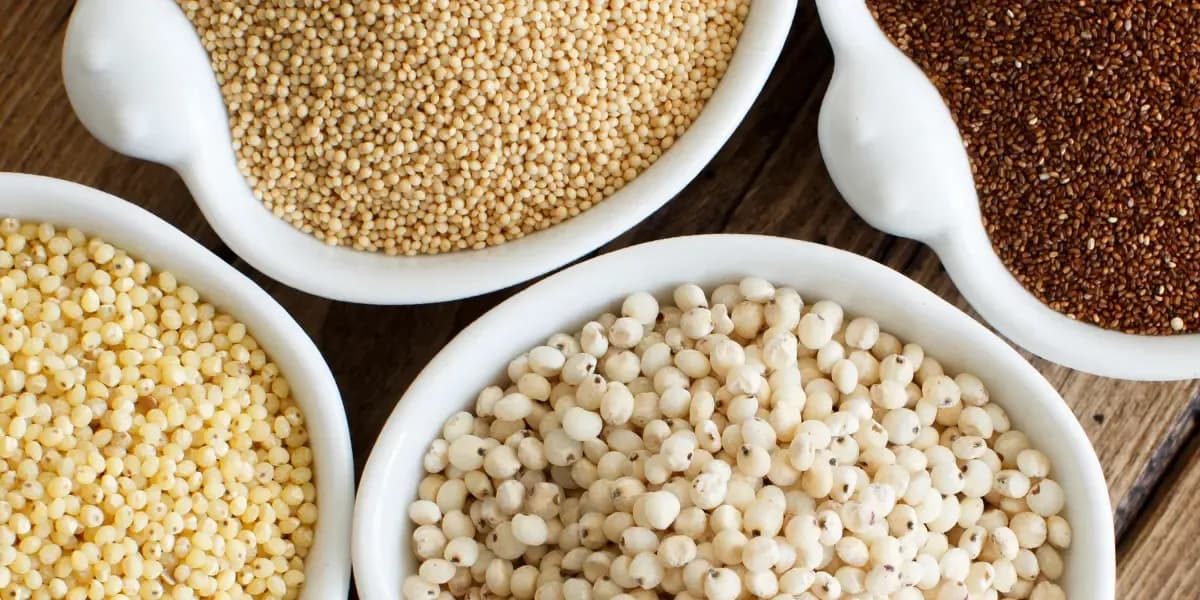
We’ve all been hearing so much about millets these days! Almost everyone talks about how awesome they are, so much so that 2023 was even celebrated as the Year of Millets!
From millet biscuits to millet atta, noodles, pasta, and even millet bread, it feels like there’s a millet variant for almost everything now. But beyond the hype, if you’re serious about millets for weight loss, what’s the real benefit?
Let’s see why these small grains are making such a big difference for people looking to shed those extra kilos and adopt a healthier lifestyle.
What Are Millets?
Millets are a group of small-seeded grains, which are cultivated for thousands of years and are a staple food in many parts of the world, especially in India. They are highly valued for their rich nutrient content, being naturally gluten-free, and packed with fiber, protein, vitamins, and minerals like iron, calcium, and magnesium. Millets are known for their versatility and can be used in a wide range of dishes.
Millets are divided into minor millets and major millets:
1. Major Millets
These are larger grains.
While nutritious, they have a higher glycemic index (56-65) than minor millets (35-54) and are not as recommended for weight loss compared to minor millets. Examples include Sorghum (Jowar), Pearl Millet (Bajra), and Ragi.
2. Minor Millets
These are smaller than major millet grains.
They are more beneficial for weight loss and better for managing blood sugar. They include Foxtail Millet (Kangni), Barnyard Millet (Sanwa), Kodo Millet (Kodon), Little Millet (Kutki), and Proso Millet (Chena).
What are the Nutritional Value of Millet?
Millets are known for their rich nutritional profile. They contain fiber, protein, vitamins, and minerals like magnesium, phosphorus, and iron.
These grains are high in fiber, making them ideal for weight management. Their low glycemic index helps control blood sugar levels, another key factor when you’re aiming for millet for weight loss. Below are the nutritional values per 100 grams of minor millets:
| Nutrient | Foxtail Millet | Barnyard Millet | Kodo Millet | Little Millet | Proso Millet | Brown Top Millet |
|---|---|---|---|---|---|---|
| (kangni) | (sanwa) | (kodon) | (kutki) | (chena) | (korale) | |
| Energy (kcal) | 473 | 307 | 309 | 329 | 341 | 336 |
| Protein (gm) | 12 | 6 | 8 | 8 | 13 | 9 |
| Fiber (gm) | 8 | 10 | 9 | 8 | 3 | 7 |
| Calcium (mg) | 31 | 20 | 27 | 17 | 14 | 28 |
| Phosphorus (mg) | 258 | 293 | 189 | 207 | 277 | 276 |
Which Millet is Good for Weight Loss?
Based on various studies, minor millets have more health benefits than major millets, particularly when it comes to weight management and metabolic health. Research shows that minor millets such as foxtail millet, barnyard millet, and kodo millet contain higher levels of dietary fiber and antioxidants, which are essential for promoting digestive health, lowering blood sugar levels, and aiding in weight loss.
These grains also have a lower glycemic index (GI), making them beneficial for managing blood glucose, a key factor for those looking to lose weight or manage diabetes.
While major millets like bajra and jowar are also nutrient-dense, their higher glycemic index may not be as suitable for diabetes and weight management compared to minor millets.
What are the Benefits of Millets for Weight Loss?
Millets offer several benefits for weight loss due to their nutritional profile and versatility. Here’s how millets can support weight loss:
1. Improves Satiety and Reduces Hunger (High Fiber Content)
Millets, especially barnyard and kodo, are high in dietary fiber, which enhances satiety and reduces hunger. Studies have shown that a fibre-rich diet can help reduce body weight by promoting fullness, thus lowering overall calorie intake.
2. Low Glycemic Index
Minor millets have a low glycemic index, which helps control blood sugar levels and prevent insulin spikes that can lead to fat storage.
3. Metabolism and Energy Levels (Rich in Nutrients)
Millets are rich in B vitamins like niacin, riboflavin, and folate, which support metabolism and energy production. Maintaining a higher metabolic rate helps burn more calories, which is crucial for weight loss.
4. Improve Lipid Profile
Regular consumption of millet can improve the lipid profile, helping reduce cholesterol and fat mass. This is especially beneficial for individuals aiming to lose weight by reducing fat storage and supporting overall cardiovascular health.
5. Gluten-Free Grain
Millets are a naturally, gluten-free grain, making them a safe and effective option for those with gluten sensitivity or celiac disease. Gluten-free diets are often lower in unhealthy processed foods, which can contribute to weight gain, making millet a healthier, nutrient-dense alternative.
What is a Millet Diet Plan for Weight Loss?
A millet diet plan for weight loss involves replacing traditional grains like rice or wheat with various types of minor millets, ensuring you use equal grammage (quantity) to maintain proper nutritional intake.
Minor millets like foxtail millet, barnyard millet, kodo millet, little millet, and proso millet are rich in fiber and nutrients, making them perfect for weight management.
Here’s how you can integrate minor millets into your diet:
1. Swap Wheat Roti with Millet Roti
When replacing wheat chapatis with millet-based rotis, make sure to use the same amount by weight (grammage) for consistency in nutrient intake. You can use foxtail millet or little millet flour to prepare rotis, ensuring you don’t overconsume calories while still benefiting from their high fiber and low glycemic properties.
2. Use Minor Millets for Breakfast
Replace traditional wheat or rice-based dosa and idli with foxtail millet dosa or barnyard millet idli in the same gram quantity. This ensures you get the energy you need while managing your calorie intake efficiently.
3. Millets in Snacks
For snacks like millet khichdi or millet porridge, use the same grammage as you would for rice-based snacks. Using kodo millet or little millet in equal amounts helps you maintain a balanced diet while benefiting from the high nutrient density of millet.
4. Millets for Lunch or Dinner
When substituting rice with millet in dishes like millet pulao or barnyard millet biryani, measure the millet to match the amount of rice you typically use. This keeps your meal portions balanced and ensures you get the right amount of calories and nutrients.
What are the Potential Harmful Effects of Millets?
While millets are beneficial for weight loss, there are some side effects to consider, even with minor millets:
- High Glycemic Index in Major Millets: Ragi has a high GI, which can spike blood sugar, making it less ideal for weight loss and for people with diabetes.
- Digestive Issues: Consuming too many millets, including minor millets, can cause bloating or gas due to their high fiber content.
- Mineral Absorption: Millets contain phytic acid, which can reduce the absorption of important minerals like iron and calcium.
- Excess Consumption of Millets: Eating too much of even minor millets may lead to nutrient imbalances, as they can crowd out other essential grains and foods.
NOTE: Stick to moderate portions of minor millets for balanced and effective weight loss.
How to Use Millets for Weight Loss?
You can incorporate millets into your diet in various ways. Replace wheat and rice with millets in your rotis, upmas, porridge, and even desserts.
Remember to keep the grammage equivalent to ensure you’re getting the same amount of nutrients and energy. For example, if you usually have 2 atta roti, you can replace that with 2 millet roti – and not more.
What are the Millet Recipes for Weight Loss?
Here are some quick and healthy minor millet recipes for weight loss:
- Foxtail Millet Salad: Toss cooked foxtail millet with fresh veggies, olive oil, and lemon juice for a light and filling salad.
- Minor Millet Dosa: Blend kodo flour with water and salt, make thin dosas, and serve with chutney.
- Barnyard Millet Porridge: Cook barnyard millet with milk or water for a wholesome and nutritious breakfast.
- Millet Roti: Use foxtail millet or little millet flour to make rotis and pair with a low-calorie curry.
- Millet Upma: Make upma with proso millet or little millet for a filling and fibre-rich meal.
- Millet Idli: Prepare soft idlis using foxtail millet or barnyard millet for a healthy, low-calorie breakfast.
What is the Best Time to Eat Millets for Weight Loss?
You can enjoy millet at any time of the day, but they are especially great for breakfast or lunch when your metabolism is at its peak. This will give you sustained energy throughout the day without causing a spike in your blood sugar.
How Can PB Health Support You?
When someone in your family needs care, you should not have to worry about what happens next or who is responsible for each step.
At PB Health Hospital, IFFCO Chowk, Gurgaon, we believe wellness requires continuity, coordination, and consistent follow-through. Our doctors and care teams work together, supported by technology that helps track progress, organise follow-ups, and keep information clear and accessible. From prevention to recovery, every stage is managed thoughtfully so that nothing important is missed and nothing is left unclear.
To understand more about our approach, you can visit our website, PB Health.