


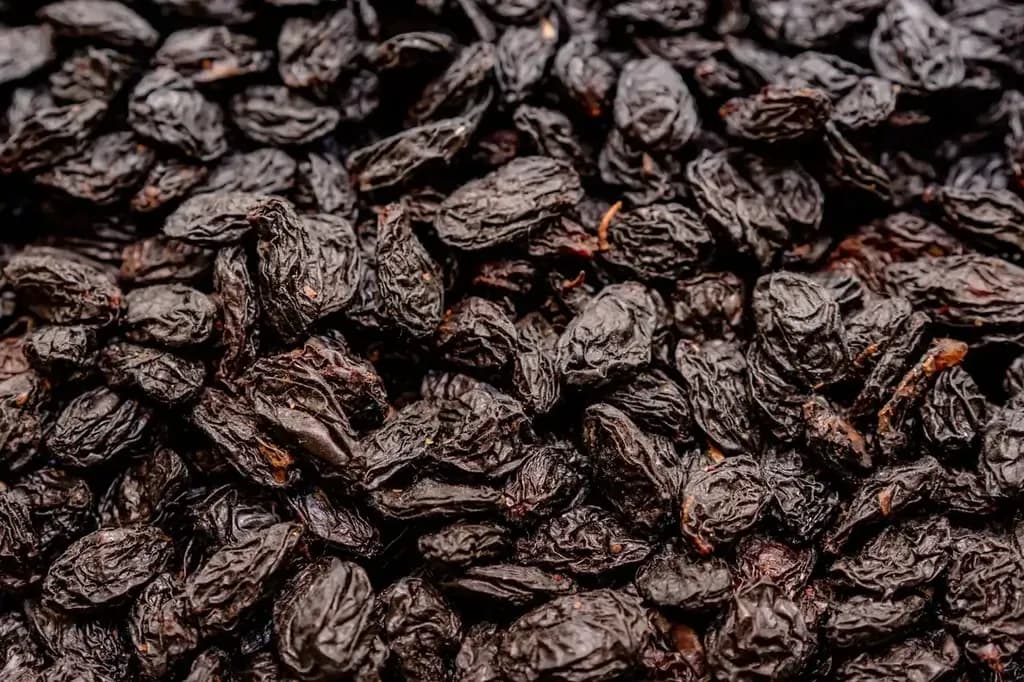
When managing diabetes, we often focus on sugar intake and how certain foods impact our blood sugar levels. Raisins, or munakka as they are commonly called in India, are a popular snack, but are they good for people with diabetes?
Let’s break it down in simple terms.
How Well Do You Know Munakka?
Raisins, or munakka in Hindi, are dried grapes that come in various types and sizes. While they might seem like a quick and easy snack, they are not a healthy option for people with diabetes due to their high sugar content.
Often used in desserts and cereals, you might wonder, what are raisins exactly? They are simply grapes that have been dried, concentrating their sugars, which can cause rapid blood sugar spikes, making them NOT suitable for people with diabetes.
What are the Types of Raisins?
You can find various raisins for diabetes in our local markets, each with unique textures and flavours.
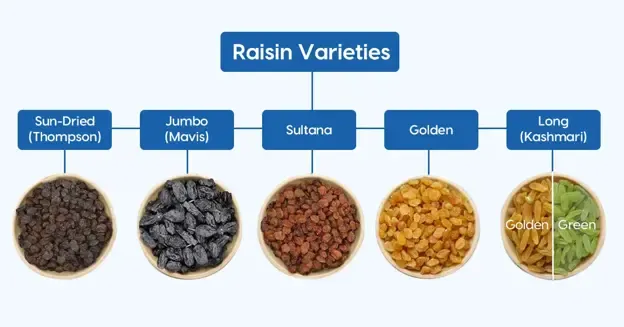
• Kashmiri Raisins: These are sun-dried from seedless green or golden grapes, giving them a soft texture and sweet flavour. Often used in Indian desserts.
• Kishmish (Sultana Raisins): Light brown to amber in colour, these are made from sun-dried Thompson seedless grapes and are widely used in cooking and baking for their sweetness.
• Golden Raisins (Zard Kishmish): Made from yellow seedless grapes and sulfur-dried to maintain their bright golden colour, they have a tangy and sweet flavour.
• Red Raisins (Lal Kishmish): Made from sun-dried red grapes, they are known for their sweet-to-sour flavour and are rich in antioxidants.
• Munakka (Black Raisins): Larger and darker, made from sun-dried black grapes. They contain seeds and have a rich flavour. Commonly used in traditional Indian dishes.
All types of raisins have similar effects on blood sugar.
What is the Nutritional Value of Raisins?
Raisins, or munakka, are packed with nutrients but also have a high sugar content that can impact blood sugar levels. Among the various types, golden and black raisins are the most widely available and have distinct nutritional profiles.
Here's a breakdown of the nutritional value of golden and black raisins per 100 grams, based on the Indian Food Composition Tables (IFCT), 2017. Other types of raisins have a more or less a similar nutritional profile.
| Nutrient | Golden Raisins (per 100 g) | Black Raisins (per 100 g) |
|---|---|---|
| Energy | 296.6 kcal | 305.68 kcal |
| Carbohydrate | 68.79 g | 71.29 g |
| Protein | 2.76 g | 2.57 g |
| Calcium | 51.83 mg | 73.24 mg |
| Natural Sugar | 57.12 g | 61.51 g |
The high carbohydrate and sugar content make raisins a risky choice for people with diabetes, as they can quickly spike blood sugar levels.
What is the Glycemic Index (GI) of Raisins?
The glycemic index (GI) is a number that ranks foods based on how they affect blood sugar levels. Foods with a high GI are quickly digested and cause a rapid spike in blood sugar.
Raisins have a GI of around 64 (ranging from 55 to 64, depending on the type), placing them in the medium-to-high GI range. They also contain a high amount of natural sugar and carbohydrates, which means they can raise your blood sugar. This makes them less ideal for people with diabetes.
Are Raisins Good for Diabetes?
No, raisins are not good for diabetes. Due to their high natural sugar content and medium-to-high GI, raisins can lead to a quick spike in blood sugar levels, which is risky for people with diabetes.
While raisins are considered a healthy snack by many, they may not be the best option for those managing their blood sugar.
Any Benefits of Eating Raisins in Diabetes?
Although raisins contain some fibre, vitamins, and minerals like potassium, the risks outweigh the benefits when it comes to diabetes. Although raisins may contribute to heart or digestive health due to their fibre content, the sugar spike they cause can lead to harmful blood sugar fluctuations in the long run.
Are There Any Side Effects of Raisins for Diabetes?
Yes, excessive consumption of raisins can cause:
1. Blood Sugar Spikes: This leads to a sharp rise in glucose levels.
2. Weight Gain: Raisins are calorie-dense, and frequent consumption can contribute to weight gain, which further complicates diabetes management.
3. Sugar Cravings: The quick energy boost from raisins can lead to more sugar cravings, making it difficult to control your blood sugar.
How Many Raisins Can a Person with Diabetes Eat Daily?
If you really want to include raisins for diabetes in your diet, it’s crucial to limit your intake. About 1 tablespoon (roughly 10 raisins) may be okay occasionally. However, it’s best to check with your doctor or nutritionist to understand what fits your individual health needs best.
What are the Ways to Incorporate Raisins into Meals?
For those managing diabetes, it's best to avoid raisins or consume them in very small amounts, as they can cause quick spikes in blood sugar.
If you still want to include them in your diet, pair them with nuts like almonds, walnuts, cashews, etc., and seeds such as chia or flaxseeds to help balance their impact on your blood sugar and totally limit the number of raisins you eat.
How Can PB Health Support You?
When someone in your family needs medical care, you should not have to worry about what comes next or who will take care of each step.
At PB Health, we believe good healthcare depends on proper planning and regular follow-ups. Our doctors and care teams work together, supported by technology that helps track progress, organise follow-ups, and keep all information clear and accessible. From prevention to recovery, every stage is managed carefully so that nothing important is overlooked.
To learn more about our approach, visit the PB Health website.