


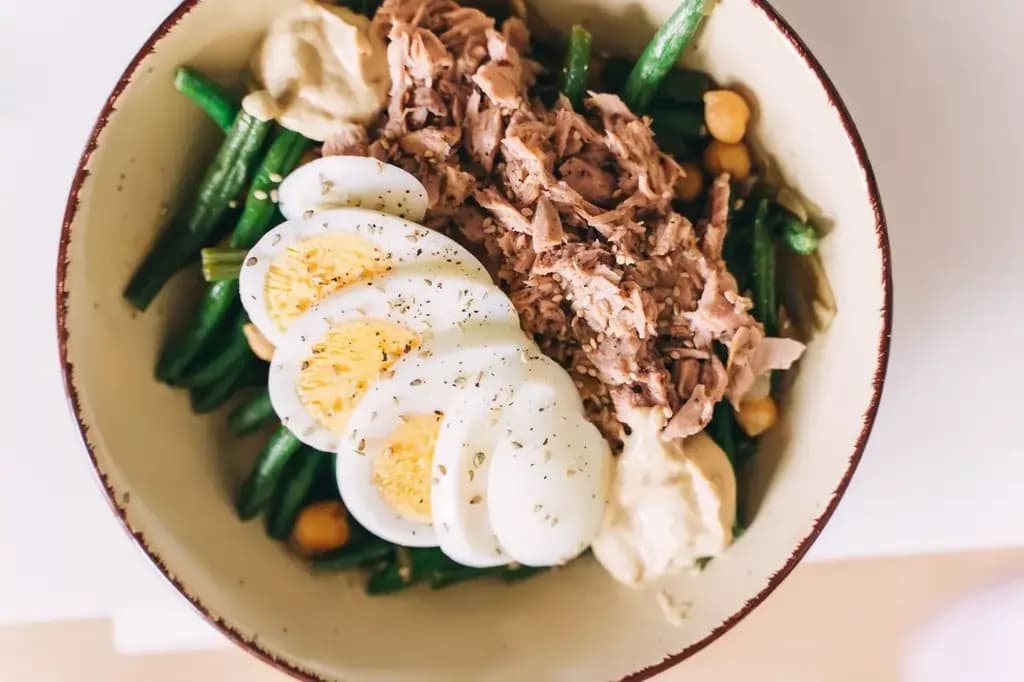
A high-protein diet brings us back to the foods we’ve grown up with – like a comforting bowl of daal at dinner, a handful of roasted chana as a quick snack, or the yummy eggs for breakfast. These aren’t just foods; they’re simple, everyday choices that kept our grandparents healthy and full of energy.
Choosing a high-protein diet is like returning to these familiar, satisfying staples that naturally keep us full and energised throughout the day. In India, our meals have always had a bit of protein goodness, and it’s a tradition worth keeping.
What’s a High-Protein Diet?
A high-protein diet involves including more protein-rich foods to help manage weight, build muscle, and support overall health. For Indians, especially those with diabetes, ICMR health guidelines recommend a balanced diet with 55-60% of calories from carbs, 20-30% from fats, and 12-15% from protein. This balance helps us get enough energy while keeping the risk of chronic conditions low.
At Fitterfly, we take a slightly different approach, recommending a breakdown of 50% carbs, 20% protein, and 30% fat for a balanced, sustainable diet. But most Indians get only about 10% of their daily calories from protein, which is why anything above that is considered “high-protein” here.
If you’re on a vegetarian diet and trying to reach 20% protein, you may need to add protein supplements, as it’s tough to hit that target with regular plant-based foods alone.
Here is a simple food distribution guide for your plate based on common food groups:
| Food Group | Items | Plate Distribution |
|---|---|---|
| Vegetables (Non-Starchy) | Palak (spinach), bhindi (okra), lauki (bottle gourd), tinda (apple gourd), gobhi (cauliflower), methi (fenugreek leaves), etc. | 50% |
| Cereals | Brown rice, multigrain roti, minor millets (kodo, proso), etc. | 25% |
| Protein | Daal, legumes, fish, chicken, mutton, butter, paneer, curd, etc. | 25% |
Note
● Fruit: Limited to one serving of any seasonal fruit per day, providing essential nutrients.
● Water: Drink plenty of water throughout the day to keep your body hydrated.
In a high-protein diet, protein sources like dal (lentils), paneer, eggs, chicken, fish, beans, and nuts make up a significant portion of daily meals. The focus is on reducing carbs from cereals, sugary foods, desserts, and fats.
To meet protein needs in a vegetarian diet, include a variety of sources like legumes, daals, tofu, and paneer. Protein helps you feel full, supports metabolism, and aids in blood sugar control, which is especially important for those with diabetes.
High-protein diets can be tailored to both vegetarian and non-vegetarian preferences, making healthy eating flexible and effective.
What are the Types of Protein Sources?
Protein sources are categorised based on their amino acid content into animal-based and plant-based. Let’s look at each type below.
1. Animal-Based Protein Sources
Animal-based proteins are complete proteins that provide all the essential amino acids the body requires. Key sources include:
| Protein Source | Examples | Notes |
|---|---|---|
| Dairy | Milk, paneer, curd (dahi) | Good sources of protein and calcium |
| Eggs | Eggs | Versatile, nutrient-dense, and an excellent protein option for eggetarians |
| Meat | Chicken, mutton | Lean options provide high-quality protein |
| Fish and Seafood | Salmon, rohu, prawns, crabs | High-quality protein sources rich in omega-3 fatty acids |
2. Plant-Based Protein Sources
Plant-based proteins, essentially vegetarian protein sources, are often incomplete proteins, but combining different sources can help create a balanced protein intake. Key vegetarian sources include:
| Protein Source | Examples | Notes |
|---|---|---|
| Pulses and Legumes | Lentils (masoor), chickpeas, black beans | Good sources of protein and dietary fiber |
| Legume Products | Soy protein, tofu | High in protein; soy is considered a nearly complete protein |
| Daal (Split Lentils) | Moong daal, chana daal, arhar (toor) daal, etc. | Common protein sources in everyday meals |
| Nuts and Seeds | Almonds, cashews, pistachios, walnuts, chia seeds, pumpkin seeds, flaxseeds, etc. | Relatively poor sources of protein but rich in healthy fats, fiber, vitamins, and minerals |
Do Dal and Curd Have as Much Protein as You Think?
Many of us think of foods like dal, curd, and milk as solid protein sources, but here’s the catch: they contain more carbs than protein! While they do have protein, it’s not enough to make them primary protein options. For instance:
● Curd: In 100 ml of dahi, you get 4 grams of carbs but only 3 grams of protein.
● Dal: 100 grams of chana dal has 47 grams of carbs but only 22 grams of protein. So, if you add another serving for “extra protein,” you’re also adding a lot more carbs.
● Milk: Similarly, in 100 ml of cow’s milk, there are 5 grams of carbs and only 3 grams of protein.
So, if you’re trying to increase your protein intake, be cautious. These foods can actually add more carbs than protein, which may not support your goals.
Why is Protein Important for Weight Loss?
Protein plays a crucial role in weight loss for several reasons:
1. Boosts Satiety
Protein is highly satiating, which means it helps you feel fuller for longer. When included in meals, it can reduce hunger and prevent overeating.
High-protein foods like dal, paneer, and eggs slow down digestion, helping curb cravings and limiting snacking, which can support a calorie deficit necessary for weight loss.
2. Supports Muscle Retention
When losing weight, there’s often a risk of losing muscle and fat. Protein helps preserve lean muscle mass during weight loss, which is important for maintaining a higher metabolic rate.
Muscles burn more calories at rest, so retaining muscle tissue supports ongoing calorie burn and can make weight maintenance easier in the long run.
3. Increases Thermic Effect of Food
The body requires more energy to digest protein than it does to digest carbs or fats, known as the thermic effect of food (TEF). This process means that eating protein burns more calories during digestion, which can contribute to a higher daily calorie expenditure.
4. Helps Regulate Blood Sugar
Including protein with meals helps moderate blood sugar spikes, which can reduce sudden cravings and energy crashes, making it easier to stick to a balanced diet. This steady blood sugar control can help avoid overeating and support consistent energy levels, which is important for weight management.
What are the Benefits of a High-Protein Diet for Weight Loss?
A high-protein diet can aid weight loss through several practical effects:
1. Helps Control Hunger
Protein keeps you feeling full longer, which helps prevent overeating. Meals rich in protein can reduce frequent snacking, which is especially helpful for managing late-night cravings.
2. Supports Muscle Health
If you exercise regularly and eat a good amount of protein, the loss of muscle mass during weight loss can be minimised. Protein helps repair and rebuild muscle tissue after workouts, supporting muscle retention while losing fat.
This combination of protein intake and exercise ensures your body has what it needs to protect lean muscle, making weight loss healthier and more sustainable.
3. Boosts Calorie Burning During Digestion
Protein takes more energy to digest compared to carbs and fats, slightly increasing calorie burn. This means that the body naturally uses up more calories to process protein-rich foods.
4. Stabilizes Blood Sugar Levels
Including protein with meals slows down the release of sugars into the bloodstream, reducing blood sugar spikes and crashes that often lead to cravings.
How to Prepare a High-Protein Diet?
An effective high-protein diet involves planning meals with a balanced amount of protein and other nutrients. Focus on including a protein source in every meal.
For example, start your day with protein-packed breakfasts like moong daal cheela, adai, pesarretu or paneer-stuffed paratha, and add a bowl of dahi. If you are non-vegetarian, you can add boiled eggs.
7-Day High Protein Diet Plan for Weight Loss
This sample 7-day high-protein diet plan for weight loss focuses on incorporating high-protein foods in every meal. Adjust the portions based on your individual calorie needs:
Day 1 Meal Plan
| Time | Meal |
|---|---|
| Early Morning (6:00 AM) | 1 glass of jeera water |
| Breakfast (8:00 AM) | 1 medium bowl cooked sprouts + 1 cup tea without sugar |
| Mid-Morning (11:00 AM) | 3 almonds + 2 walnuts |
| Lunch (2:00 PM) | 1 medium bowl salad + 2 rotis (without oil) + 1 medium bowl bhindi sabji + 1 medium bowl plain curd (without sugar) |
| Evening (5:00 PM) | 1 apple + 1 tbsp mixed seeds |
| Dinner (8:00 PM) | 1 medium bowl salad + 1 medium bowl dal khichdi + 1 glass buttermilk |
Day 2 Meal Plan
| Time | Meal |
|---|---|
| Early Morning (6:00 AM) | 1 glass of ajwain water |
| Breakfast (8:00 AM) | 1 medium-sized adai + 2 egg whites or 1 medium bowl curd + 1 cup tea without sugar |
| Mid-Morning (11:00 AM) | 3 almonds + 2 walnuts |
| Lunch (2:00 PM) | 1 medium bowl salad + 2 rotis (without oil) + 1 medium bowl of any non-starchy sabji + 1 medium bowl toor dal |
| Evening (5:00 PM) | 1 orange + 1 tbsp mixed seeds |
| Dinner (8:00 PM) | 2 small chicken or paneer frankies (made with atta) + 1 medium bowl mixed vegetable clear soup + 1 medium bowl salad |
Day 3 Meal Plan
| Time | Meal |
|---|---|
| Early Morning (6:00 AM) | 1 glass of methi water |
| Breakfast (8:00 AM) | 1 medium bowl of oats porridge made with skim milk or curd + 1 cup of tea without sugar |
| Mid-Morning (11:00 AM) | 3 almonds + 2 walnuts |
| Lunch (2:00 PM) | 1 medium bowl salad + 1½ medium jowar bhakri + 1 medium bowl chicken gravy, paneer gravy, or sprout gravy |
| Evening (5:00 PM) | 1 pear + 1 tbsp mixed seeds |
| Dinner (8:00 PM) | 1 medium bowl salad + 2 rotis (without oil) + 1 medium bowl turai (ridge gourd) or any green vegetable sabji + 1 medium bowl dal |
Day 4 Meal Plan
| Time | Meal |
|---|---|
| Early Morning (6:00 AM) | 1 glass of sabja water |
| Breakfast (8:00 AM) | 1 medium bowl dalia upma + 1 boiled egg or 1 medium bowl boiled sprouts + 1 cup tea without sugar |
| Mid-Morning (11:00 AM) | 3 almonds + 2 walnuts |
| Lunch (2:00 PM) | 1 medium bowl salad + 1 medium bowl brown rice + 1 medium bowl rajma curry |
| Evening (5:00 PM) | 1 small bowl papaya + 1 tbsp mixed seeds |
| Dinner (8:00 PM) | 1 medium bowl salad + 2 small mixed vegetable parathas (without potato, prepared with less oil) + 1 medium bowl plain curd (without sugar) |
Day 5 Meal Plan
| Time | Meal |
|---|---|
| Early Morning (6:00 AM) | 1 glass of lemon water |
| Breakfast (8:00 AM) | 1 medium paneer paratha or 1 pesarettu + 1 medium bowl plain curd + 1 cup tea without sugar |
| Mid-Morning (11:00 AM) | 3 almonds + 2 walnuts |
| Lunch (2:00 PM) | 1 medium bowl salad + 2 bajra phulkas (without oil) + 1 medium bowl palak sabji + 1 medium bowl masoor dal |
| Evening (5:00 PM) | 1 pomegranate + 1 tbsp mixed seeds |
| Dinner (8:00 PM) | 1 medium bowl salad + 2 rotis (without oil) + 1 medium bowl fish curry or soybean curry |
Day 6 Meal Plan
| Time | Meal |
|---|---|
| Early Morning (6:00 AM) | 1 glass of coriander seeds water |
| Breakfast (8:00 AM) | 2 idlis + 1 medium bowl mixed vegetable sambar + 1 cup tea without sugar |
| Mid-Morning (11:00 AM) | 3 almonds + 2 walnuts |
| Lunch (2:00 PM) | 1 medium bowl salad + 1 medium bowl dalia dal khichdi + 1 medium bowl plain curd (without sugar) |
| Evening (5:00 PM) | 1 guava + 1 tbsp mixed seeds |
| Dinner (8:00 PM) | 1 medium bowl salad + 1 medium bowl brown rice + 1 medium bowl masoor dal + 1 medium bowl mixed vegetable sabji |
Day 7 Meal Plan
| Time | Meal |
|---|---|
| Early Morning (6:00 AM) | 1 glass of cinnamon water |
| Breakfast (8:00 AM) | 2 vegetable besan cheelas + 2 tbsp mint chutney + 1 cup tea without sugar |
| Mid-Morning (11:00 AM) | 3 almonds + 2 walnuts |
| Lunch (2:00 PM) | 1 medium bowl salad + 2 rotis (without oil) + 1 medium bowl beans sabji + 1 boiled egg or 1 medium bowl dal |
| Evening (5:00 PM) | 1 small bowl pineapple chunks + 1 tbsp mixed seeds |
| Dinner (8:00 PM) | 1 medium bowl salad + 2 rotis (without oil) + 1 medium bowl egg bhurji or paneer bhurji |
What are the Risks of Eating a High-Protein Diet?
Eating a high-protein diet (which means more than 20% protein) can pose several health issues:
1. Strain on Kidneys
High protein intake can increase kidney strain, especially in individuals with pre-existing kidney issues, as the kidneys work harder to filter protein waste.
2. Dehydration
Protein digestion requires more water, and if hydration isn’t increased, it can lead to dehydration.
3. Nutrient Imbalance
One of the risks of eating a high-protein meal is missing out on fibre and other nutrients from vegetables. In India, typically, when we have non-vegetarian food for lunch or dinner, like chicken or fish, we often skip vegetables.
For example, lunch with chicken will be had only with rice or roti and will usually not include a side of veggies, or fish curry will be had with rice, and rarely is sabji in that meal. This reduces the fibre content, essential for digestion and a balanced diet.
So, while protein is important, it’s also equally important to add some fibre-rich foods to keep meals balanced.
4. Constipation
Constipation is less of an issue for us Indians because we usually don’t eat high-protein foods alone. For example, when we have chicken curry, it’s often paired with rice or roti, which adds fibre to the meal.
But if you skip rice or roti, it’s important to include some vegetables for fibre to avoid constipation. Adding fibre-rich foods like veggies and whole grains helps keep things balanced and supports digestion.
5. Digestive Discomfort
High protein from sources like red meat and dairy can cause bloating and gas, especially if fibre intake is low.
6. Risk of Bone Loss
Very high protein intake (about 25-30%) may contribute to calcium loss over time, potentially impacting bone health if not carefully managed.
What are the Common Mistakes to Avoid?
A high-protein diet can be effective, but there are some common pitfalls to avoid:
1. Skipping Fibre
High-protein diets often lack fibre, which can lead to digestive issues like constipation. To balance it out, include fibre-rich foods like palak (spinach), bhindi (okra), whole grains (like brown rice), and fruits like guava or papaya.
2. Not Drinking Enough Water
Protein digestion requires extra water, so staying hydrated is essential. Aim to drink more water throughout the day, especially when eating high-protein foods like paneer or chana (chickpeas).
3. Overloading on Processed Proteins
While processed options like dried fish, protein bars, or even packaged soya products can be convenient, they often contain added sugars, salts, and preservatives. Opt for whole, natural sources like eggs, fish, tofu, and dal for better nutrition.
4. Ignoring Portion Sizes
More protein doesn’t always mean better results. Stick to recommended portions of foods like paneer or moong dal to avoid consuming excess calories, which can stall progress.
5. Relying Only on Animal Protein
Focusing solely on animal-based proteins can limit nutrient variety. Mix in plant-based proteins like masoor dal (red lentils), rajma (kidney beans), and tofu to keep your diet balanced and diverse.
6. Forgetting About Other Nutrients
When focusing too much on protein, it's easy to miss out on other important nutrients like healthy fats and carbs. A balanced diet with a mix of foods gives you steady energy and keeps your meals nutritious and satisfying.
How Much Protein Should You Eat in a Day to Lose Weight?
For weight loss, aim for about 1 gram of protein per kilogram of body weight. So, if you weigh 70 kg, your goal should be 70-80 grams of protein per day.
How Can PB Health Support You?
PB Health is a complete healthcare platform that takes care of every step of your health journey, from preventive health checks and doctor consultations (in-person or online) to specialist care, hospital treatment, recovery, follow-ups, home care, and even insurance coordination. Our doctors and care teams work together using technology to track your progress and ensure you receive the right care at the right time.
To understand more about our approach, you can visit our website, PB Health.