


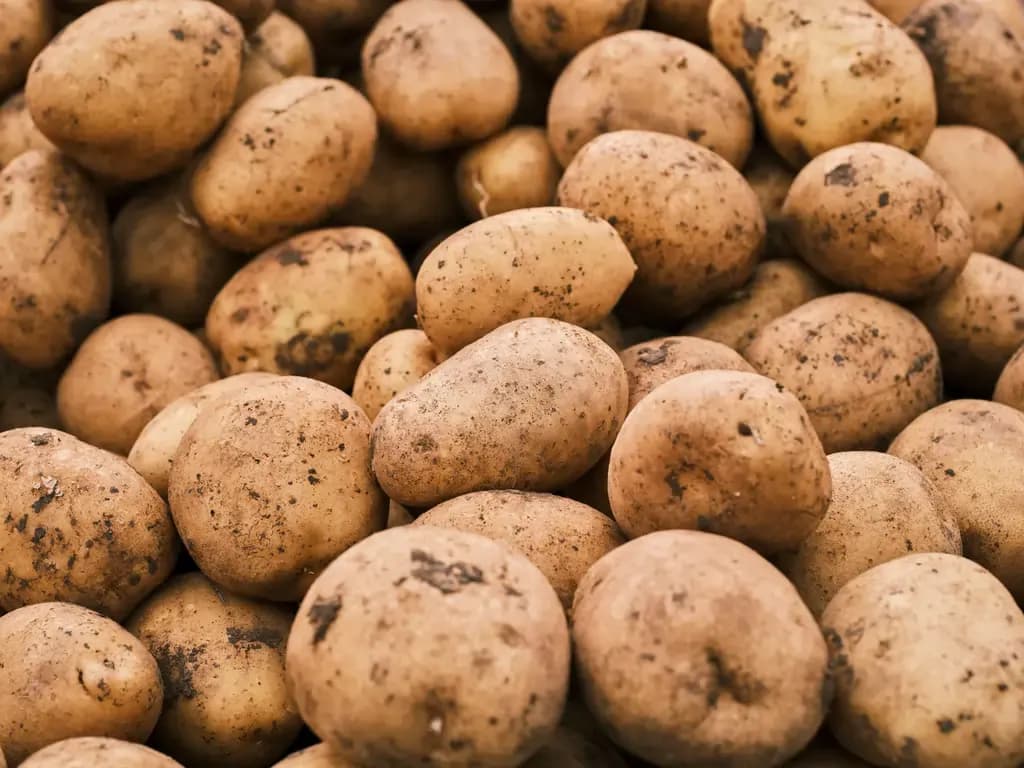
We all love it - it goes well with almost any Indian sabji or side dish, helps when extra guests show up and comes to the rescue when there’s “nothing to cook.” Yes, we’re talking about potatoes!
Commonly known as aloo or batata, the potato is a staple in most Indian households. This humble root vegetable grows underground and has a mild, starchy taste with a soft texture when cooked. Its versatility is what makes it a favourite - it can be boiled, fried, mashed, or roasted, fitting effortlessly into countless dishes.
From jeera aloo and aloo methi to dum aloo, masala dosa and batata vada - potatoes are a part of so many of our dishes. They come in different varieties, too, like brown-skinned and pink-skinned, each adding its own touch to our everyday meals.
Funny how something that didn’t even come from India feels like it’s always been a part of our kitchens!
| 🥔 Did You Know? |
|---|
| Potatoes were first grown in the Andes Mountains of South America over 7,000 years ago! They later spread across the world and were introduced to India by the Portuguese in the 17th century. |
What is the Nutritional Value of a Potato?
| Nutrient | Brown Skin Potato (Per 100 g) | Red Skin Potato (Per 100 g) |
|---|---|---|
| Energy | 70 kcal | 73 kcal |
| Carbohydrate | 15 g | 15 g |
| Protein | 2 g | 2 g |
| Calcium | 10 mg | 9 mg |
| Phosphorus (P) | 43 mg | 30 mg |
| Total Fiber | 2 g | 2 g |
| Potassium | 541 mg | 501 mg |
| Total Starch | 12 g | 13 g |
*as per IFCT, 2017
Are You Eating a Potato the Wrong Way?
We often think of potatoes as a vegetable, but here is the thing - it’s not. If you look at the nutrition facts in the above image, potatoes have just 2 grams of fibre, meaning they don’t really count as a fibre-rich veggie. Instead, they’re mostly starch, just like rice and roti or any other form of starch.
This matters because how we eat potatoes in our meals makes a big difference.
What Are We Doing Wrong?
1️⃣ Thinking potatoes are a vegetable – No, they aren’t! Eating aloo sabzi is not eating ‘sabzi’. You’re not getting the fibre you’d get from actual veggies & green leafies like bhindi, spinach, gourds, capsicum, etc.
2️⃣ Eating it in unhealthy ways - like in fries, bhajiyas, bondas, pakoras, chips, etc.
3️⃣ Eating it with rice or roti – This is how we usually eat potatoes, right? But this is eating carbs on carbs, making your meal mostly starch-laden and less balanced. How?
How Starchy Is Your Meal?
| Food | Approx. Carbohydrates |
|---|---|
| 1 medium-sized cooked potato (about 100 g) | ~25–28 g |
| 1 medium-sized wheat roti (made with about 40 g atta) | ~30 g |
| 1 bowl cooked white rice (about 100 g, made with 30–40 g raw rice) | ~30 g |
This grid shows that the carb content in each of the 3 items above is very similar. That’s why we said earlier that having aloo sabji/curry with rice or roti means having carbs and more carbs.
So, How to Eat Potatoes Smartly?
No one’s telling you to quit potatoes - we all love them! Just eat them in a way that works better for your body, especially if you’re trying to lose weight or following a potato diet. 😊
● Don’t have it with only rice/bread or only roti – Avoid a meal which has only rice or only roti/ chappati/puri, and the accompaniment is just an aloo-based sabji. That’s a carb overdose for you.
● Add more protein - If the potato is unavoidable, then take very little of it. More importantly, make sure to load your plate with more protein sources like chicken, eggs, fish, paneer or lentils (like dal) and other veggies, too.
● Balance it out – Use more gobhi than aloo in aloo gobhi, more matar than aloo in aloo matar and any dish where aloo is the ‘main’ item.
● Cook wisely – Choose boiled, baked, or air-fried potatoes instead of fried versions.
● Skip unnecessary calories – Avoid adding butter, cheese, or heavy cream, or don’t make your sabji in too much oil.
● Don’t remove the skin – The skin contains valuable fibre and nutrients that support digestion. Don’t peel them away.
● Eat Whole, Fresh Potatoes – Avoid processed potato products like chips, puffs, fries, samosa, batta vada, aloo sandwich, aloo pakoda, aloo puff that contain unhealthy additives and excess sodium.
● Stay Active – Your daily activity level should match your calorie intake. Sedentary lifestyles require smaller portions, while active individuals can consume slightly more.
Is It OK to Have Potatoes During Fasts?
Yes, but definitely in moderation - especially if weight loss is your goal. Potatoes are high in carbs. Carbs give us energy, and because during fasting, we feel low in energy, they’re eaten.
But do remember that they are high in starch content and can cause blood sugar spikes and you can feel hunger sooner.
To make them fasting-friendly:
✔ Limit portions to avoid excess calories.
✔ Choose boiled or roasted over-fried versions.
✔ Pair potatoes with protein & fibre (paneer, curd, nuts).
Since there is a limited choice of foods during fasting, potatoes can be eaten, but eating them mindfully prevents energy crashes and overeating later.
What are the Potential Benefits of the Potato Diet?
● Potatoes are low in fat and contain important nutrients like vitamin C, potassium, and fibre (when eaten with the skin).
● They are naturally gluten-free, making them a suitable option for people with gluten intolerance.
● Due to their high satiety factor, as compared to rice/roti/bread, potatoes can help keep you full for longer and reduce overeating.
● They provide quick energy and are easy to digest, making them a good option for active individuals and children.
Potential Risks or Downsides to the Potato Diet?
● Potatoes have a high glycaemic index, which can cause spikes in blood sugar levels which can ultimately cause weight gain.
● If consumed in excess or in fried forms (like pakoda, vada, samosa, patties, chips or fries), they can contribute to weight gain and increase the risk of metabolic issues like diabetes.
● Over-reliance on potatoes may lead to nutrient deficiencies due to a lack of other nutrients in the diet.
When Should You Avoid Consuming Potatoes?
● If you have diabetes or insulin resistance, monitor your potato intake as it can affect blood sugar levels.
● If you are trying to lose weight, avoid fried and calorie-dense potato preparations.
● People with certain digestive issues may need to limit potatoes, especially if they experience bloating or discomfort after eating them.
● If you are on a strict low-carb or keto diet
● If you have digestive issues like bloating or discomfort after consuming potatoes, especially when eaten in large amounts.
Conclusion:
Potatoes can be a healthy part of a weight-loss diet when consumed in moderation and prepared properly. Boiled, baked, or roasted potatoes paired with protein and fibre-rich foods provide energy, satiety, and essential nutrients without spiking blood sugar levels. Avoid fried or overly processed potato dishes and balance your overall carbohydrate intake to support weight management and overall health. Portion control, preparation methods, and mindful meal planning are key to including potatoes in a diet aimed at weight loss and belly fat reduction.
How Can PB Health Support You?
When someone in your family needs care, you should not have to worry about what happens next or who is responsible for each step.
At PB Health, we believe wellness requires continuity, coordination, and consistent follow-through. Our doctors and care teams work together, supported by technology that helps track progress, organise follow-ups, and keep information clear and accessible. From prevention to recovery, every stage is managed thoughtfully so that nothing important is missed and nothing is left unclear.
To understand more about our approach, you can visit our website, PB Health.