


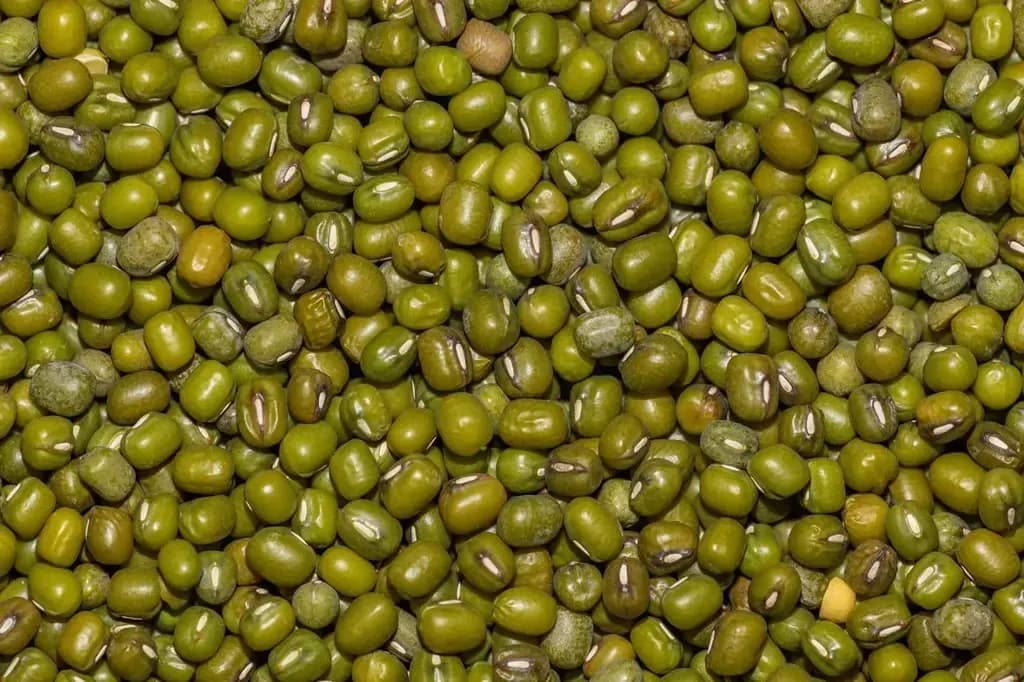
When managing diabetes, one of the most crucial factors to consider is diet. Certain foods have a more favourable impact on blood sugar levels, and moong for diabetes is a prime example.
Moong (whole green moong dal) is not only nutritious but also plays a significant role in helping to stabilise blood sugar levels. But how exactly does moong for diabetes benefit people with diabetes, and how can you incorporate it into your diet?
Let’s break it down.
What is Moong?
Moong are small, green legumes commonly used in Indian cooking. They come in various forms, whole, split, and skinned, and are known for their mild taste and high nutritional value.
Whether in salads, soups, chaat or traditional dishes, moong is a versatile ingredient that’s both healthy and delicious.
What are the Types of Moongs Available in Our Local Indian Markets?
1. Whole Green Moong
Whole green moong beans are small, olive green coloured legumes that are often used in curries, salads, and soups. These beans are packed with fibre and protein, making them a great option for managing diabetes. Soaking and sprouting them further boosts their nutrition and makes them easier to digest."
2. Split Moong Dal
Split moong, or moong dal, is green + pale white in colour. This variety cooks faster than the whole moong and is commonly used in dishes like khichdi and dal.
3. Split and Skinned Moong (Dhuli Moong or Chilka Moong dal)
Dhuli moong is the most processed form of moong, in which both the skin and the split are removed, resulting in small, white to yellowish lentils. This type of moong is often used in soups and purees.
Although it has slightly less fibre than whole or split moong, it is still a good source of protein and essential nutrients, making it a diabetes-friendly option.
What is the Nutritional Value of Moong?
Moong beans are rich in protein, dietary fibre, essential vitamins, and minerals like magnesium and potassium. These nutrients are vital for overall health and play a crucial role in diabetes management by helping stabilise blood sugar levels. As per IFCT, 2017*, 100 grams of moong contain:
| Nutrient | Whole Green Moong (per 100 g) | Yellow Split Moong (per 100 g) |
|---|---|---|
| Energy | 294 kcal | 326 kcal |
| Carbohydrate | 46 g | 53 g |
| Protein | 23 g | 24 g |
| Total Fat | 1 g | 1 g |
| Calcium | 92 mg | 43 mg |
| Phosphorus (P) | 353 mg | 416 mg |
| Iron | 5 mg | 4 mg |
| Total Fibre | 17 g | 9 g |
| Omega-3 | 180 mg | 157 mg |
| Potassium | 1 g | 1 g |
| Magnesium (Mg) | 198 mg | 155 mg |
| Natural Sugar | 1 g | 1 g |
What is the Glycaemic Index of Moong?
Moong beans have a low glycaemic index of 31, which means that if you have them in your meal, they will release glucose into your bloodstream slowly, preventing sudden spikes in blood sugar levels. This makes them an ideal food choice for those with diabetes.
Is Moong Good for Diabetes?
As previously mentioned, moong beans have a low glycaemic index (GI), which means they have a gradual effect on blood sugar levels. This makes them a great option for people with diabetes who need to regulate their glucose levels carefully.
Additionally, they are a rich source of fibre, protein, and important nutrients such as magnesium and potassium, which support overall health and help prevent blood sugar spikes.
How is Moong ideal for Diabetes Management?
Moong’s ability to stabilise blood sugar levels, coupled with its high fibre and protein content, makes it an ideal food for diabetes management. It can be easily incorporated into various meals, providing sustained energy without causing blood sugar spikes.
Are There Any Benefits of Eating Moong in Diabetes?
Moong dal is a highly nutritious legume that offers a variety of health benefits when included in your diet. Here are some:
1. Rich Source of Protein
Moong dal is a very good source of plant-based protein, making it great for vegetarians and vegans. Protein is essential for muscle repair, growth, and overall body function.
2. High in Fibre
Moong dal is rich in both soluble and insoluble fibre, which plays a crucial role in maintaining digestive health. It helps prevent constipation, promotes regular bowel movements, and reduces cholesterol levels, contributing to better heart health.
3. Low in Calories
Moong dal is low in calories, making it perfect for weight management and for anyone aiming to maintain a healthy weight. Despite its low calorie content, it’s packed with essential vitamins and minerals, making it highly nutritious.
4. Rich in Antioxidants
Moong dal contains antioxidants such as flavonoids, which help combat free radicals in the body. These antioxidants reduce the risk of chronic diseases.
5. Supports Heart Health
The potassium and magnesium content in moong dal help regulate blood pressure, while the fibre content helps lower bad cholesterol levels. Together, these benefits contribute to overall and heart health.
6. Rich in Essential Vitamins and Minerals
Moong dal is packed with essential vitamins like B6, C, and E, as well as minerals such as iron, magnesium, potassium, and zinc. These nutrients are vital for overall health, supporting various bodily functions.
7. Good for Skin and Hair
The antioxidants, vitamins, and minerals in moong dal contribute to healthier skin and hair. Regular consumption helps detoxify the body, which can prevent skin issues and promote a natural glow.
8. Detoxification
Moong dal helps detoxify the body by flushing out toxins. This detoxification process supports overall health and well-being.
9. Enhances Immunity
The rich content of vitamins, minerals, and antioxidants in moong dal boosts the immune system, helping the body fight off infections and diseases more effectively.
What are the Risks of Eating Moong in Diabetes?
While moong is generally safe and beneficial for people with diabetes, excessive consumption can lead to bloating or gas due to its high fibre well-cooked content in sensitive people. It’s essential to consume it in moderation and to ensure it’s well-cooked to avoid digestive discomfort.
What are Moong Recipes for People with Diabetes?
There are numerous ways to incorporate moong dal into your diet. Some delicious and diabetes-friendly moong recipes include moong dal khichdi, moong sprout salad, moong dal soup, dosa, cheela, and, of course, just as you, simple old dal with tadka.
These dishes are not only nutritious but also easy to prepare, making them perfect for everyday meals.
1. Moong Dal Khichdi
A simple, one-pot dish made with moong dal and rice, lightly spiced with turmeric, cumin, and ginger. It's easy to digest and perfect for those with diabetes. To make it a wholesome meal, add lots of veggies to it like carrots, French beans, onions, tomatoes, etc.
2. Moong Sprout Salad
A refreshing salad made with sprouted and cooked or boiled whole moong dal mixed with chopped vegetables like cucumber, tomato, and onion and seasoned with lemon juice, chaat masala, and fresh coriander.
3. Moong Dal Tadka
A staple in most North Indian households, this is cooked moong dal tempered with a mix of onions, tomatoes, cumin, and garlic, and is often served with chapati, roti, or rice.
4. Moong Dal Cheela/Pesarattu
A savoury pancake made from ground whole green moong dal, which has been soaked overnight, spiced with green chillies, ginger, and coriander, and often served with green chutney.
5. Moong Dal Idli
A healthy twist on the traditional idli, made by fermenting a batter of moong dal and rice, steamed to perfection.
6. Cherupayar Curry
A coconut-based curry made with whole green moong dal, spiced with curry leaves, mustard seeds, and green chillies. It's typically served with rice or chapati.
7. Cherupayar Thoran
A dry dish made with moong dal, grated coconut, and spices like turmeric and green chillies. It’s stir-fried with mustard seeds, curry leaves, and a touch of oil. Typically served with rice.
8. Pasiparrupu Sundal
A light and nutritious South Indian dish made with cooked yellow moong dal, tempered with mustard seeds, curry leaves, green chillies, and a hint of asafoetida.
Finished with a sprinkle of grated coconut, it's a protein-rich snack that's perfect for weight loss. Enjoy it as a quick, healthy snack or as a side dish in your meals.
How Much Moong Should People with Diabetes Eat Daily?
Although the exact amount may vary based on individual dietary needs, around half a cup of cooked moong dal or sprouts daily is generally recommended for people with diabetes. This portion offers a good balance of nutrients without putting too much strain on the digestive system.
How Can PB Health Support You?
When someone in your family needs care, you should not have to worry about what happens next or who is responsible for each step.
At PB Health, we believe wellness requires continuity, coordination, and consistent follow-through. Our doctors and care teams work together, supported by technology that helps track progress, organise follow-ups, and keep information clear and accessible. From prevention to recovery, every stage is managed thoughtfully so that nothing important is missed and nothing is left unclear.
To understand more about our approach, you can visit our website, PB Health.