


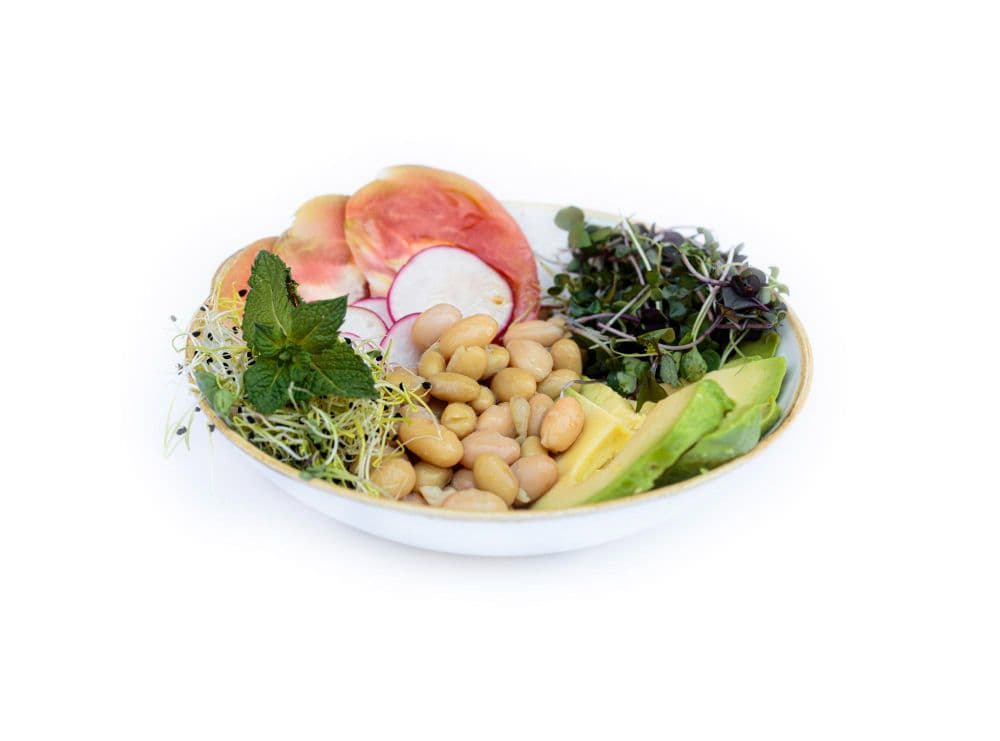
Let’s lose some calories today with a scientific, sustainable, and easy-to-stick-to food list. Most diets for weight loss depend on low-calorie foods and balanced nutrients.
The market is flooded with diet charts of foods with low calories, but choosing the one that suits your body’s needs is important.
What Is Low Calorie?
Low-calorie foods don’t have a set definition; they’re always measured ‘in comparison to’ the calorie content of another food. For example, between chapati and paratha, generally, Chapati has fewer calories if made in the usual way we make at home.
But if the chapati is dripping in ghee or butter and the paratha, on the other hand, is made with say, just a teaspoon of oil, then it changes everything! Similarly, “low calorie” isn’t absolute; it depends on what you’re comparing a particular food item with.
When we consume more calories than our bodies require, the excess is stored as fat, which can lead to weight gain. On the contrary, low-calorie foods, often suggested for weight loss, contain less energy than the body demands.
Eventually, the body uses stored fats to compensate for the energy deficit, resulting in weight loss.
Understanding Low-Calorie and Free Foods
On the internet, you will find several foods or meal plans named foods with low-calorie or calorie-free foods.
But the truth is – apart from water, there are no ‘zero calorie’ foods. Yes, there are low-calorie food items. So, what are these?
Any food with less than 40 calories per serving is generally called free food. Most non-starchy vegetables, such as leafy greens, cucumbers, and tomatoes, are frequently regarded as free foods. These foods contain few calories and a lot of essential nutrients.
Types of Low-Calorie Foods
The different types of low-calorie foods that you can add to your weight-loss plans are:
1. Lean Protein Sources
Lean proteins (example given below) include sources that are low in fat and calories in comparison to their regular counterparts. However, portion control and the way you prepare the dish are important for all lean sources.
For example, if you had 200 grams of boiled chana before, you may reduce it to 100 grams or limit yourself to only two large egg whites per day.
Here are a few examples of vegetarian low-calorie foods that are lean protein sources.
- Legumes like lentils (dals) and chickpeas (chana)
- Whole grain rotis, made with grains like barley (jau), bajra (pearl millet), jowar (sorghum), ragi (finger millet), and whole wheat (gehu), instead of oil-fried puris and parathas with the same flour, can be a great option
- Tofu (soybean paneer)
Non-vegetarian low-calorie foods for lean proteins:
- Fish (rohu, catla, etc.) that are baked or cooked with minimal oil and spices
- Shrimps
- Egg whites (limited numbers)
- Skinless poultry chicken (to be eaten in limited quantities and also cooked with less oil, butter, and spices)
2. Dairy Options to Reduce Calorie Intake
Low-fat dairy options like skimmed milk over whole milk and curd made from low-fat milk are great ways to add to the daily dose of calcium and vitamins without compromising on the calorie front.
3. Veggies That Add Few Calories to Your Food
Spinach (palak), fenugreek leaves (methi), bottle gourd (lauki), bitter gourd (karela), ridge gourd (torai), radish (mooli), mushrooms, cucumber (kakdi), etc. add fewer calories to your food in comparison to vegetables like potatoes, sweet potatoes, taro roots (arbi), beetroot, corn, etc.
And they can be used in a variety of dishes, such as sabzis, bhajis, dals, or can even be added to chapati ka atta (like methi paratha, lauke ke parathe, mooli sambar, karela pitla etc)
4. Fruits as Sources of Low Calories
Many avoid fruits due to their high sugar content, which contributes to overall calorie intake. Yes, fruits like mangoes, papayas, sapotas, bananas, etc. are no doubt high in calories. Here are a few go-to fruits that can fit into your low-calorie foods diet chart in comparison to the above popular varieties.
- Guava (amrood)
- Citrus fruits like gooseberry (amla), sweet lime (mosambi), lemons, oranges, black jamun, and grapefruits
- Watermelons (kharbooja)
- Pomegranate (anar)
- Pear (naspati)
- Small Kashmiri apples (seb)
5. Low-calorie snack options
Air-popped corn (popcorn) or makhana (fox nuts) seasoned with a pinch of salt, and pepper can be flavorful, low-calorie foods. Roasted kurmura (puffed rice) is also a popular low-calorie food choice in Indian households.
Types of Low-Calorie Foods in the Market
Here are a few low-calorie food options you can find in your local kirana shop or in a supermarket nearby:
- Low-fat dairy products: Low-fat or fat-free milk, yoghurt, low-fat paneer (cottage cheese)
- Foods made with sugar-free sweeteners like aspartame, sucralose, and stevia
- Packed, ready-to-eat diet snacks: Air-popped popcorn, baked chips, and multigrain snacks are better choices than their regular packaged varieties of chips, mixtures, etc. But still, it’s always better to have homemade options like roasted makhana, roasted jowar puffs, and roasted chana.
- Low-Calorie Drinks: Green tea and sugar-free herbal drinks are lower in calories than regular colas or juices. However, it is best to limit colas, sodas, and other fried snacks for overall health. Like we said earlier, the best zero-calorie drink is water! Always works best!
- Multigrain or whole-grain flour used to make multigrain rotis or breads can be a better substitute for these items made with maida.
While some are genuine with verified ‘low-calorie’ tags, some locally manufactured varieties without proper labelling may be market gimmicks. Always remember to read labels properly before buying products the next time you visit the store.
Home-made options with the help of a certified dietician are the best choice.
Label Reading for Low-Calorie Foods: What to Look For
Learning to read food labels correctly can be a game-changer for you and your family; it also saves you from getting tricked. Here’s what you need to check out when stocking up on foods with low calories.
- Flip the packet and look for the food label
- Check for the serving size mentioned. It gives you an idea about the portion size and corresponding nutrient profile
- Calories: Choose products with a lower total calorie content in comparison to their regular variety.
- Fats: Limit unhealthy fats like trans and saturated fats.
- Added Sugars: Limit products with high added sugar content.
- Allergens: Check for potential allergens or sensitivities, for example, added nuts or lactose.
How Can PB Health Support You?
When someone in your family needs care, you should not have to worry about what happens next or who is responsible for each step.
At PB Health Hospital, IFFCO Chowk, Gurgaon, we believe wellness requires continuity, coordination, and consistent follow-through. Our doctors and care teams work together, supported by technology that helps track progress, organise follow-ups, and keep information clear and accessible. From prevention to recovery, every stage is managed thoughtfully so that nothing important is missed and nothing is left unclear.
For personalised weight loss support, PB Health offers medical guidance to help patients make informed dietary choices, manage calorie intake and work towards sustainable weight management goals.
To understand more about our approach, you can visit our website, PB Health.