


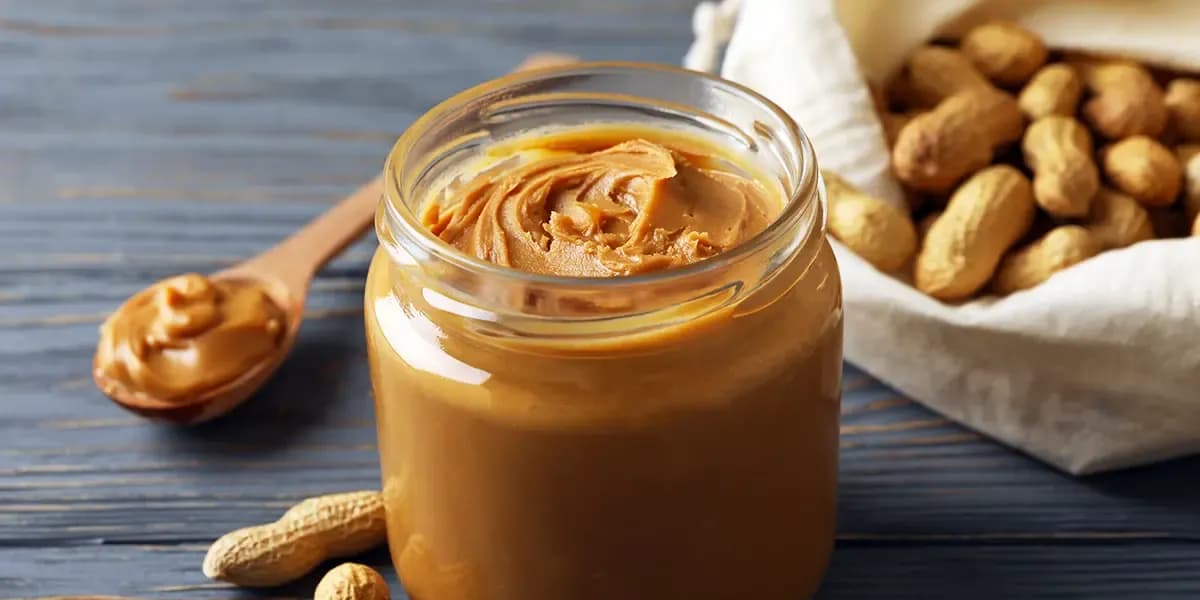
At times, when we are bored of having the regular ghar ki sabzi with roti or chapatti, we usually turn to items like jam, mayonnaise, tomato ketchup, chutney, and PEANUT BUTTER!
While peanut butter is not a traditional Indian food item and not very commonly used in our typical Indian breakfasts or meals, it has gained popularity due to urbanisation and marketing.
In its original form, made by grinding roasted peanuts, peanut butter has a neutral taste – neither sweet nor salty. However, many brands these days have come up with flavored and textured versions (crunchy, smooth, creamy, powdered) by adding sugar, artificial sweeteners, dates, syrups, chocolates, etc., making it either sweet or salty, and this alteration ultimately makes it an unsuitable option for people with diabetes.
Let’s understand more about this.
What is the Nutritional Value of Peanut Butter?
Peanut butter, in its original form, retains some of the nutritional benefits of peanuts, such as protein, healthy fats, vitamins, and minerals like magnesium and vitamin E. However, the addition of salt, sweeteners, and oils in many commercially available products can significantly alter its health profile.
These added ingredients can be particularly problematic for those managing their blood sugar levels. According to USDA, a 100 gm of peanut butter contains:
What is the Glycemic Index of Peanut Butter, and How Can it Affect Diabetes Management?
Pure peanut butter has a low glycemic index (GI) of 14, meaning it doesn’t cause rapid blood sugar spikes. However, many commercial brands add sugars and unhealthy fats, raising its GI and making it less suitable for people with diabetes.
While pure peanut butter’s protein content is surely beneficial, its high fat and calorie content end up negating that and can increase insulin resistance, negatively impacting diabetes management.
Therefore, it is important to choose natural or homemade peanut butter without added ingredients for better diabetes control.
Why Peanuts Are Better Than Peanut Butter for Diabetes?
Here’s a simple rule of thumb: Eating whole foods in their natural state is generally better for you than consuming processed versions. For instance, eating a whole apple is more beneficial than drinking an apple smoothie or milkshake loaded with sugar and fats.
The whole apple is high in fibre, contains no added sugars or preservatives, and helps you feel full longer. The same concept applies to peanuts versus peanut butter.
1. Natural State
Peanuts in their natural state don’t contain added sugars or unhealthy fats, making them a healthier option.
2. Lower Caloric Density
Peanuts are less calorie-dense than peanut butter, helping with weight management, which is crucial for diabetes control.
3. No Hidden Ingredients
Unlike many peanut butter products, plain peanuts (moongfali, shengdana, singdana) do not have hidden ingredients like added sugar/salt, unhealthy fats, preservatives, chemical flavors, etc., that can affect your blood sugar levels.
So, now you know why you should prefer having whole peanuts rather than peanut butter in diabetes ☺️
For example, in Maharashtra, you can find peanuts and powdered peanuts in every kitchen, which are used to make chutney, sabzi, and more. Across India, peanuts are a readily available, affordable snack enjoyed by everyone.
People who are fasting often eat peanuts as their snack. You can also combine roasted peanuts (moongfali) with roasted chickpeas (chana) for a healthy snack rich in protein and fibre.
Another popular snack is bhuja moongfali, or roasted peanuts, mixed with chopped onions, tomatoes, green chillies, and coriander for extra flavour and nutrients. You can also make peanut chivda by mixing roasted peanuts with flattened rice (poha), curry leaves, and spices.
How to Include Peanut Butter in Your Diet?
But if you absolutely love peanut butter, here’s how you can add it to your diet while being mindful of your diabetes management:
1. Opt for Natural Peanut Butter
Choose peanut butter in diabetes that contains no added sugars, salts, or unhealthy fats. Look for products with only peanuts (and maybe a bit of salt) on the ingredient list.
2. Pair with Fiber-Rich Foods
Enjoy pure peanut butter with fruits like apples to balance its effects with the fibre and nutrients from the fruit.
Avoid having it in the form of a Peanut Butter Jelly Sandwich (PBJ) that’s high in sugar and made with white bread, which is made of maida. These can significantly raise blood glucose levels.
3. Watch Portion Sizes
Limit your intake to a small serving, such as one or two tablespoons, to avoid excessive calorie and fat consumption.
4. Monitor Your Blood Sugar
Check your blood sugar levels after consuming peanut butter to understand its impact and adjust your intake accordingly.
By following these tips, you can enjoy peanut butter in diabetes in moderation while keeping your blood sugar levels in check.
How Can PB Health Support You?
When someone in your family needs care, you should not have to worry about what happens next or who is responsible for each step.
At PB Health Hospital, IFFCO Chowk, Gurgaon, we believe wellness requires continuity, coordination, and consistent follow-through. Our doctors and care teams work together, supported by technology that helps track progress, organise follow-ups, and keep information clear and accessible. From prevention to recovery, every stage is managed thoughtfully so that nothing important is missed and nothing is left unclear.
To understand more about our approach, you can visit our website, PB Health.