


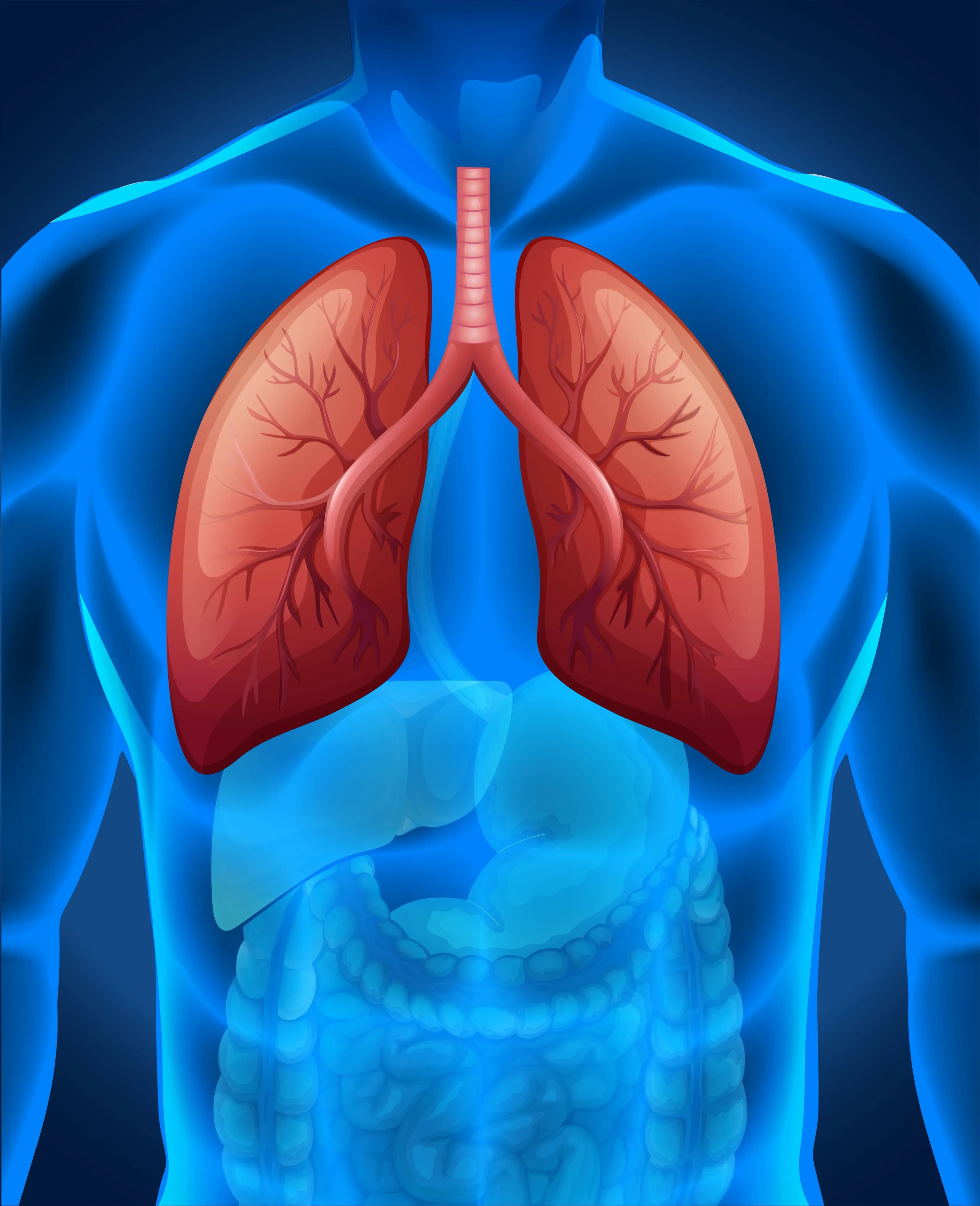


You may not always notice polluted air, but your lungs do. Every breath can carry fine particles, smoke and gases deep into the respiratory system. Occasional exposure may cause temporary irritation, while repeated exposure can contribute to breathing problems and worsen existing lung conditions.
Knowing the warning signs and taking simple steps to reduce exposure can help you protect your lung health.
How Does Air Pollution Affect Your Lungs?
Air pollution contains substances such as fine particulate matter, nitrogen dioxide and ozone. Some particles are small enough to travel deep into the lungs, where they can trigger inflammation and irritation. The World Health Organisation links outdoor air pollution with respiratory and cardiovascular diseases. The impact depends on the type and level of pollution, how long you are exposed and your overall health.
Who Is More Sensitive to Air Pollution?
Certain people may develop symptoms more easily than others, including:
- Children
- Older adults
- People with asthma or COPD
- People with heart or lung conditions
- Those who work around dust, smoke or chemical fumes
- People who spend long periods outdoors in polluted areas
Warning Signs You Should Not Ignore
Pollution can cause respiratory symptoms, but these symptoms can also have other causes. Pay attention when they are new, persistent or becoming more frequent.
Persistent Cough: A cough that continues for several weeks should be evaluated rather than automatically attributed to pollution. It may be related to asthma, allergies, infection, reflux or another respiratory condition.
Breathlessness: Feeling short of breath during routine activities, such as walking or climbing stairs, can indicate a problem with lung or heart function.
New or worsening breathlessness deserves medical attention, particularly when it occurs without an obvious explanation.
Wheezing: A whistling sound while breathing can occur when the airways become narrowed. It is commonly associated with asthma and may become more noticeable after exposure to smoke or other irritants.
Chest Tightness: Chest tightness may occur during an asthma flare-up or airway irritation. However, chest discomfort can also have cardiac causes, so never dismiss sudden or severe symptoms as pollution-related.
Excess Mucus: An ongoing increase in phlegm, particularly when accompanied by other respiratory symptoms, can indicate airway inflammation or an underlying lung condition.
Reduced Exercise Tolerance: If everyday activities that were previously comfortable now leave you unusually tired or breathless, discuss the change with a doctor.
How to Improve Lung Health
You cannot control the air quality everywhere, but you can reduce your personal exposure.
Check Air Quality Before Outdoor Activities: On days with poor air quality, consider limiting prolonged outdoor activity. If you exercise outdoors, choose periods when pollution levels are lower.
Reduce Indoor Air Pollutants: Outdoor pollution is not the only concern. Indoor smoke, cooking fumes, mould and certain household chemicals can also irritate the respiratory system.
You can reduce exposure by:
- Avoiding smoking indoors
- Keeping indoor spaces free from tobacco smoke
- Controlling dampness and mould
- Improving ventilation when outdoor air quality permits
- Reducing unnecessary exposure to strong chemical fumes
Do Not Smoke: Avoiding tobacco smoke is one of the most important steps for maintaining healthy lungs. If you smoke, quitting can reduce further damage and lower the risk of several serious diseases.
Stay Physically Active: Regular physical activity supports overall cardiovascular and respiratory fitness. If you already have a lung condition, discuss suitable exercise with your doctor before increasing the intensity.
When Should You Get a Lung Health Check?
A medical evaluation may be useful if you have:
- A persistent cough
- Recurrent wheezing
- Unexplained breathlessness
- Frequent respiratory infections
- Ongoing mucus production
- A history of smoking
- Regular exposure to workplace dust or fumes
Your doctor may recommend spirometry, a breathing test that measures how much air you can move in and how quickly you can exhale. It is commonly used when assessing conditions such as asthma and COPD. The tests you need will depend on your symptoms and medical history. Not everyone exposed to pollution requires extensive lung testing.
Can You Improve Lung Health After Pollution Exposure?
Reducing further exposure is an important first step. The lungs can recover from some forms of irritation, although recovery depends on the type and duration of exposure and whether permanent damage has occurred.
Avoiding smoking, staying active, and managing conditions such as asthma or COPD can support better respiratory health. Be cautious about products marketed as lung "detoxes". No proven drink or supplement can cleanse the lungs of pollution.
When Is It an Emergency?
Some symptoms require immediate medical attention, regardless of whether pollution may have contributed.
Seek urgent care for:
- Severe difficulty breathing
- Sudden severe chest pain
- Blue or grey lips or fingertips
- Coughing up significant amounts of blood
- Fainting or severe confusion
- Rapidly worsening breathlessness
How PB Health Can Support You
If you are looking for a pulmonologist in gurgaon, PB Health Hospital, IFFCO Chowk, Gurgaon, can help you access specialist care for respiratory symptoms and lung health concerns.
Conclusion
Air pollution can affect the respiratory system, particularly with repeated or prolonged exposure. Do not ignore a persistent cough, wheezing, breathlessness, excess mucus, or a noticeable decline in exercise tolerance. Protect your lungs by reducing exposure to polluted air, avoiding tobacco smoke, staying active, and seeking medical advice if symptoms persist.