


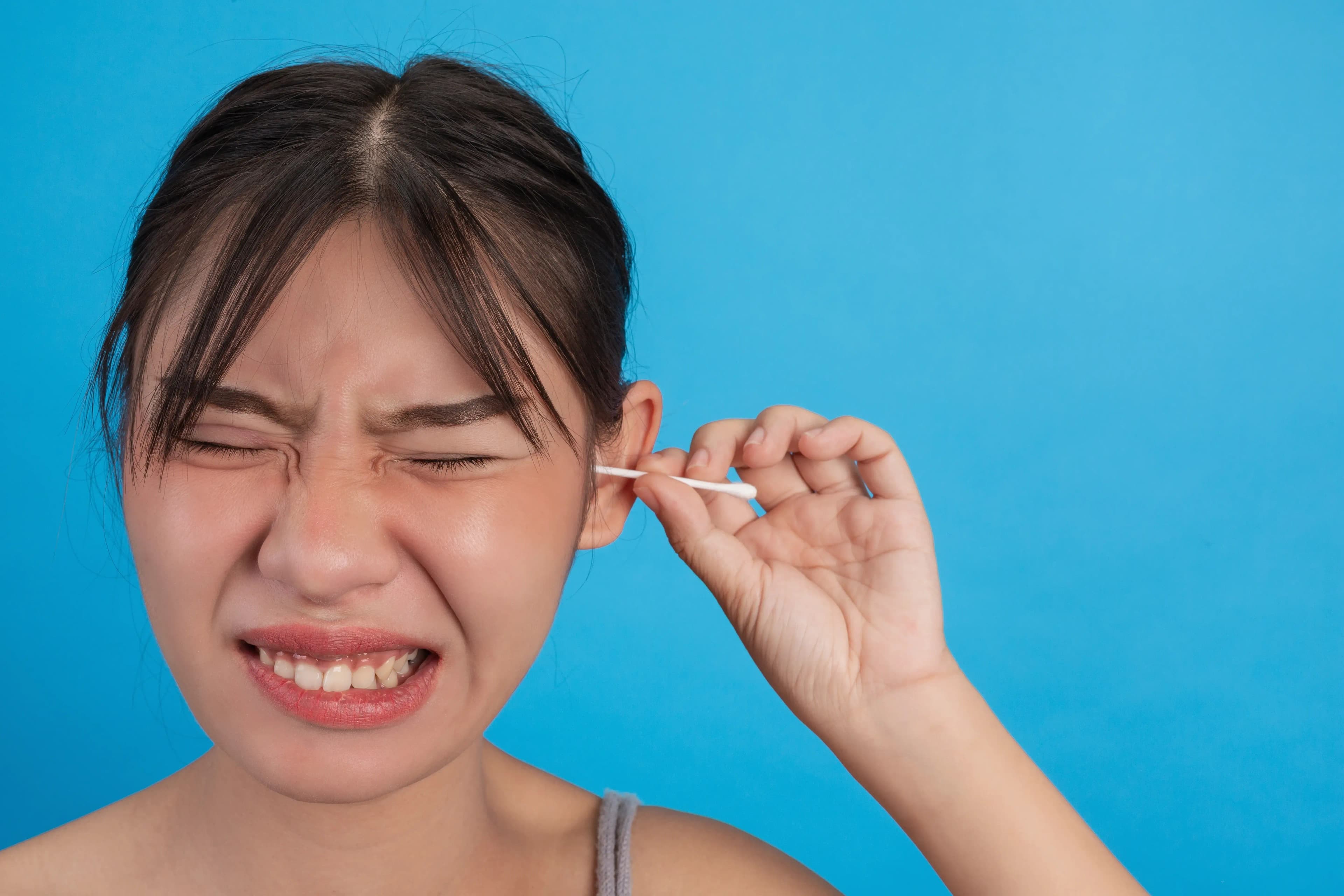


Do you clean your ears every time you shower? If so, you may be surprised to know that your ears usually do not need regular cleaning from the inside.
Earwax is a normal part of ear health. It protects the ear canal, traps dust and other particles, and usually works its way out naturally. The problem starts when wax builds up, becomes hard or causes symptoms such as reduced hearing, itching or a blocked feeling.
So, when is ear cleaning actually needed, and when can it do more harm than good?
Does everyone need ear cleaning?
No. The inside of the ear is largely self-cleaning. You generally only need to clean the outer part of your ears with a soft, clean cloth.
Earwax, also called cerumen, is produced naturally and helps protect the ear canal. According to the World Health Organisation, there is usually no need to remove earwax unless it has collected and is causing a problem.
Regularly inserting cotton buds or other objects into the ear can actually push wax deeper into the canal and is a WRONG practice . Majority of patients visiting a ENT OPD are due to complications caused due to usage of ear buds .
What does earwax do?
Earwax may not look pleasant, but it has an important job. It helps:
- Protect the skin inside the ear canal
- Trap dust and small particles
- Reduce dryness and irritation
- Provide some protection against infection and has antifungal and antibiotic properties .
Most of the time, the ear naturally moves old wax towards the opening, where it can be gently wiped away. This means that ear wax removal is not automatically necessary just because you can see some wax.
When do you actually need ear wax removal?
For some people wax production is more and then earwax may need to be removed when it becomes impacted or causes symptoms. Clinical guidelines recommend treatment when wax is causing symptoms or preventing a healthcare professional from properly examining the ear.
You may need an evaluation if you notice:
- Muffled or reduced hearing
- A blocked or full feeling in the ear
- Ringing or buzzing
- Earache
- Itching or irritation
- Wax that is visibly blocking the ear canal
If you are not experiencing any symptoms and your ear can be examined normally, routine wax removal is usually unnecessary.
Signs that your ears may need attention
Sometimes the first sign of a wax problem is not obvious. You may simply notice that your television seems louder than usual or that people are asking you to repeat yourself.
A blocked feeling: A build-up of wax can make the ear feel plugged or full. Some people describe it as feeling like water is trapped in the ear.
Reduced hearing: Wax blocking the ear canal can temporarily reduce hearing. If your hearing does not improve after appropriate wax removal, another cause should be considered.
Ringing in the ear: Earwax build-up can sometimes be associated with tinnitus, which may sound like ringing, buzzing or humming.
Ear discomfort: Hard or impacted wax can cause discomfort or pain. However, ear pain can have many causes, including infection, so it should not automatically be blamed on wax.
Can cotton buds clean your ears safely?
Cotton buds should NEVER be put inside the ear canal.
They may push wax deeper, irritate the delicate skin or potentially rupture the eardrum. The WHO advises against putting cotton buds, sticks, pins or similar objects into the ear.
You can use a soft clean cloth to gently clean the outside of the ear after bathing.
You should also avoid putting oils, herbal preparations or other home remedies into the ear unless advised by a healthcare professional. This is especially important if you have a damaged or perforated eardrum.
How is ear wax removed safely?
If wax is causing symptoms, a healthcare professional can examine the ear and decide whether removal is needed.
Depending on your situation, ear wax removal may involve:
- Special ear drops to soften the wax
- Irrigation and endoscopic removal under vision in appropriate cases
The choice depends on factors such as the amount and consistency of wax and the condition of the ear canal and eardrum. Some people, including those with a non-intact eardrum or certain ear conditions, may need a different approach. Do not try to force out hard or deeply lodged wax yourself.
When should you see an ENT doctor?
You may not need an ENT doctor for every small amount of earwax. However, an ENT specialist can help when the cause of your symptoms is unclear, the blockage keeps returning, or hearing remains reduced after wax has been removed.
You should get medical advice if you have:
- Persistent hearing difficulty
- Significant ear pain
- Fluid, pus or blood coming from the ear
- Repeated ear blockage
- Dizziness
- A foreign object in the ear
- Symptoms that do not improve after wax removal
If you suddenly lose hearing in one ear or both ears, seek medical attention promptly rather than assuming that earwax is responsible.
If you are searching for an ENT doctor near me because of persistent ear blockage, hearing changes or recurring wax problems, an ENT specialist can examine the ear and identify the actual cause.
What should you avoid during ear cleaning?
A simple rule is: Do not put anything inside your ear canal unless it has been recommended for you by a healthcare professional.
Avoid:
- Cotton buds inside the ear
- Hairpins, keys or other objects
- Ear candles
- Scratching the ear canal
- Unprescribed ear drops
- Oils or home remedies
How often should you clean your ears?
There is no fixed schedule for cleaning the inside of your ears because most people do not need routine cleaning.
Instead, clean only the outer ear gently and pay attention to symptoms. People who frequently develop impacted wax, use hearing aids or have certain ear canal problems may need periodic examinations based on medical advice.
How PB Health Can Support You
A blocked or uncomfortable ear can have several causes, from earwax and infections to allergies or pressure changes. PB Health Hospital, IFFCO Chowk, Gurgaon can help you understand your symptoms and reports, and know when further evaluation or treatment may be needed.
If you are experiencing persistent ear blockage, hearing difficulties, ear pain or recurring earwax problems, consulting an ENT specialist in Gurgaon can help identify the underlying cause and determine whether professional ear cleaning or further treatment is necessary.
Conclusion
Ear cleaning is important, but cleaning the inside of your ears regularly is usually unnecessary. Earwax is a natural protective substance, and your ears generally take care of its removal themselves.
If wax becomes impacted and causes hearing problems, discomfort or a blocked sensation, professional earwax removal may be appropriate. Avoid cotton buds, ear candles and home remedies that can damage the ear. When symptoms persist or hearing changes, getting the cause checked by an ENT doctor is safer than repeatedly trying to clean the ear yourself.