


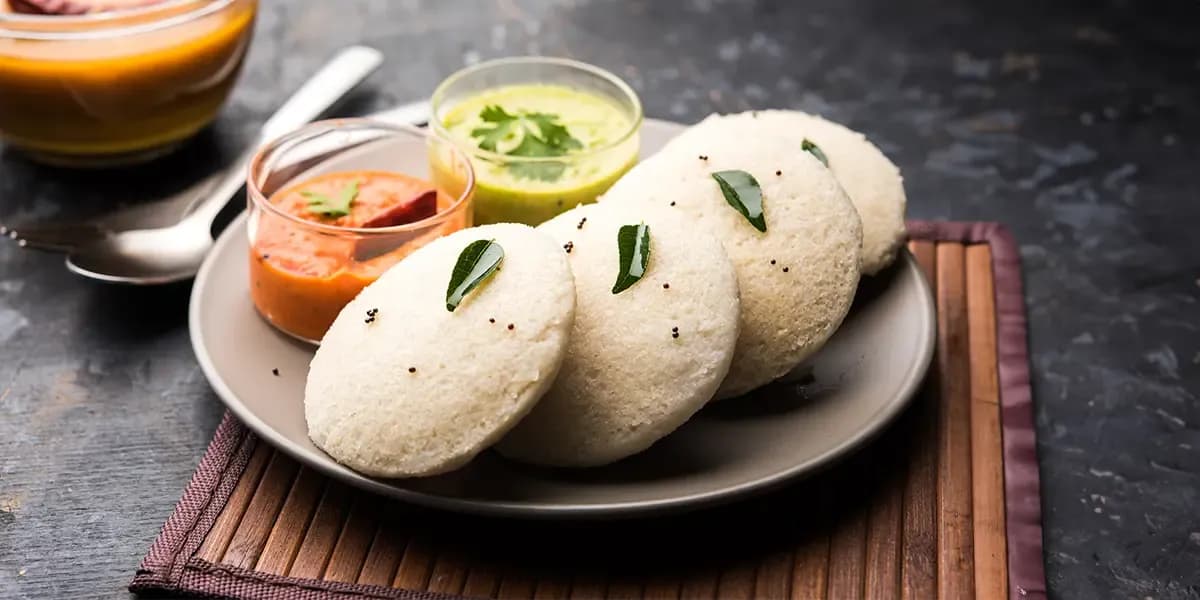
Since I was a child, I remember my mom making idli and sambhar for breakfast every Sunday. At that time, I loved eating them in large portions.
Idlis are almost everyone’s favourite South Indian comfort food. Whenever we visit a restaurant or feel like eating something healthy and light that tastes awesome at the same time, idli is the first thing that comes to our minds.
However, many people who have diabetes are concerned about how their food choices impact their blood sugar levels. If you are among those wondering whether idli is a good option for diabetes management, this blog is here to help.
Let’s explore the nutritional aspects of idli and understand its effects on blood sugar levels.
What is Idli?
Idli is a traditional South Indian breakfast dish made from fermented rice and urad dal (black gram). These small, fluffy, and steamed rice cakes are loved by many for their light texture and mild flavor.
What is the Nutritional Value of Idli?
Idlis are low in fat, making them a popular choice for a healthy breakfast.
The fermentation process enhances the absorption of nutrients, making vitamins and minerals easy to digest.
A single idli, weighing approximately 35-40 grams, typically contains:
What is the Glycemic Index of Idli?
The glycemic index (GI) of idli is considered medium, around 60-65 (based on the type of idli).
This means that idli can raise blood sugar levels moderately but not as rapidly as high-GI foods/snack items like sandwiches, aloo paratha, and aloo puri.
Is Idli Good for Diabetes?
Idli can be a good option for people with diabetes when consumed with sambar and chutney. The low-calorie and low-fat content, along with the fermentation process, make idli a healthy choice.
However, eating idli with mulga podi (gun powder) can cause blood sugar spikes due to its high glycemic index. To make idli suitable for people with diabetes, it should be paired with sambar, which contains protein from dal and fibre from vegetables, and chutney for added nutrients and fat.
Managing portion sizes is also essential to avoid blood sugar spikes.
Are There Any Benefits of Eating Idli in Diabetes?
Eating idli has several benefits for people with diabetes:
1. Low in Fat: Helps manage weight, which is important for diabetes control.
2. Fermentation: The fermentation process makes idlis easy to digest, which is beneficial for gut health.
Idli’s nutritional benefits make it a suitable choice for people with diabetes, especially when prepared with healthy ingredients, accompanied by sambhar, and eaten in the right quantity.
What are the Other Health Benefits of Eating Idli?
Besides being good for diabetes, idli has other health benefits:
1. Easy to Digest: Idlis are light and easy on the stomach.
2. Nutrient-Rich: Fermentation enhances the nutrient profile, making vitamins and minerals more accessible.
3. Low-fat: Idlis are naturally low in fat since they are steamed rather than fried. This makes them a heart-healthy option, especially for those looking to reduce their fat intake.
4. Gluten-Free: Idlis are naturally gluten-free, making them a great option for people with gluten intolerance or celiac disease.
5. Versatile: Idlis can be paired with a variety of healthy accompaniments like sambhar, chutneys, and vegetables, adding to their nutritional value.
Is there any Down Side of Eating Idli in Diabetes?
While idlis are generally safe, consuming too many can lead to higher carbohydrate intake, causing blood sugar spikes. Because they are low in fat, people may tend to eat more, which can contribute to overeating.
Additionally, from a psychological perspective, the perception of idlis being light and healthy might lead to less mindful eating, increasing the risk of overconsumption.
What are the Practical Tips for Including Idli in a Diabetes Diet?
1. Moderation: Limit your portion to 2-3 small/medium idlis per meal.
2. Accompaniments: Pair with healthy sides like vegetable sambhar or green chutney/onion tomato chutney/egg curry or have a bowl of salad with idli. In fact if idli is the only thing that you are having in that meal, try and add more salads to make it a fibe and protein-rich meal.
3. Add Fiber: You can add vegetables to the batter (like grated carrot, capsicum, onion, and tomato) or have it with a mix-vegetable sambhar.
Idli Recipe for People with Diabetes
1. Plain Idli
Time & Servings
- Time: 10 minutes (cooking) + preparation time
- Servings: 2
| Ingredient | Quantity |
|---|---|
| Rice | 1/2 cup |
| Urad Dal | 1/8 cup |
| Salt | 3/4 tsp |
| Oil | 1/4 tsp |
| Water | 50 ml |
Pre-preps
Step 1: Wash and soak 1/2 cup of rice and 1/8 cup of urad dal for 4 hours.
Method
Step 2: Grind the soaked ingredients to a smooth, thick batter of pouring consistency. Allow it to ferment overnight.
Step 3: Add 3/4 tsp of salt to the fermented batter and mix well.
Step 4: Prepare the idli steamer with the required amount of water and heat it.
Step 5: Grease the idli molds with a little oil, pour a spoonful of batter into each mold, and steam for about 10 to 12 minutes on medium heat.
Step 6: Once cooked, let the idlis cool for a few minutes before removing them from the molds using a spoon.
Step 7: Serve hot with coconut chutney, sambar, or any other accompaniment of your choice.
2. Moong Dal Idli
Time & Servings
- Time: 15 minutes (cooking) + preparation time
- Servings: 5
| Ingredient | Quantity |
|---|---|
| Moong Dal | 1/2 cup |
| Urad Dal | 1/2 cup |
| Rice | 1/2 cup |
| Coriander Leaves | 1/2 cup, chopped |
| Green Chilli Paste | 1 tsp |
| Ginger Paste | 1 tsp |
| Methi Seeds | 1/8 tsp |
| Salt | 1/2 tsp |
| Oil | 1/2 tsp |
| Water | 100 ml |
Pre-preps
Step 1: Wash and soak 1/2 cup each of moong dal and urad dal with methi seeds for 4 hours. Separately, soak 1/2 cup of rice for the same duration.
Method
Step 2: Drain and grind the soaked ingredients until the mixture is smooth, thick, and of pouring consistency. Allow it to ferment overnight.
Step 3: To the fermented batter, add green chilli paste, ginger paste, chopped coriander, and salt. Mix thoroughly.
Step 4: Grease the idli mold with oil and spoon the batter into the greased molds.
Step 5: Cover and steam the idlis in an idli steamer for 10 to 12 minutes or until a toothpick inserted comes out clean.
Step 6: Allow the idlis to cool slightly before removing them from the molds.
Step 7: Serve hot with coconut chutney, sambar, or any chutney of your choice.
What is the Best Time to Consume Idli for Diabetes?
You can eat idli anytime. In India, idli is typically consumed for breakfast, allowing one to use the energy from carbohydrates throughout the day.
How Can PB Health Support You?
When someone in your family needs care, you should not have to worry about what happens next or who is responsible for each step.
At PB Health Hospital, IFFCO Chowk, Gurgaon, we believe wellness requires continuity, coordination, and consistent follow-through. Our doctors and care teams work together, supported by technology that helps track progress, organise follow-ups, and keep information clear and accessible. From prevention to recovery, every stage is managed thoughtfully so that nothing important is missed and nothing is left unclear.
To understand more about our approach, you can visit our website, PB Health.