


If you have diabetes, you’re probably always looking for foods that help keep your blood sugar in check without making your meals boring.
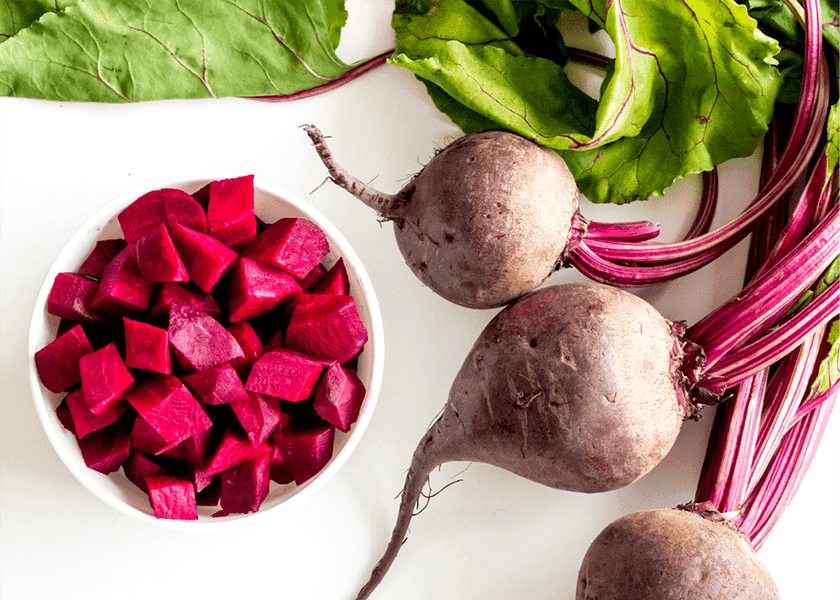
One such colourful and nutritious addition to your diet could be Beetroot!
Known for its natural sweetness, beetroot often raises questions about its impact on blood sugar levels. But the good news is, when eaten in moderation and as part of a balanced meal, beetroot can offer some incredible health benefits.
Let’s understand why this root vegetable deserves a place on your plate while managing diabetes!
What is the Nutritional Value of Beetroot?
Before we get into the beetroot benefits for diabetes, let’s take a quick look at what’s inside:
| Nutrient | Nutritional Value (per 100 gm)* |
|---|---|
| Energy | 36 kcal |
| Carbohydrate | 6 gm |
| Protein | 2 gm |
| Total Fat | 140 mg |
| Total Fiber | 3 gm |
| Free Sugar | 4 gm |
| Total Starch | 2 gm |
Is Beetroot Safe for Everyone?
Beetroot is generally safe for most people and offers several health benefits. However, it’s important to note that it contains a fair amount of carbohydrates, calories, and starch. For people with diabetes, it should be eaten mindfully, in controlled portions, to avoid spikes in blood sugar levels.
In India, it’s common to pair vegetables with chapati or rice. But for people with diabetes, combining two carb sources in one meal (like wheat and beetroot or rice and beetroot) can spike blood sugar levels.
Shilpa Joshi, VP of Metabolic Health, explains that it’s not just about beetroot being healthy — it’s about how you combine it. She says:
“You can’t expect miraculous results if you’re eating beetroot along with multiple carbs like chapati or rice. That’s a lot of carbs together. Instead, try having beetroot poriyal with a bowl of dal and a fibre-rich sabzi like gawar (cluster beans). That way, the sugar doesn’t shoot up.”
For a safer and more balanced option, try including beetroot in a salad mix with cucumber, tomato, and onion, just like the traditional Maharashtrian koshimbir. This keeps the carb load lighter and helps you enjoy beetroot’s benefits without going overboard.
Can Beetroot Lower Blood Glucose Levels?
Many people wonder, can beetroot lower blood sugar levels?
Short answer: Not significantly.
Beetroot is packed with nutrition – yes. It’s a good source of antioxidants and dietary nitrates that support heart health. But when it comes to blood sugar, the picture is a little more nuanced.
Here’s what you need to know:
- Beetroot has sugars, which give it that sweet taste.
- Its glycaemic index (GI) is moderate (~61), but when eaten in the right quantity, it doesn’t spike blood sugar drastically.
- The fibre in whole beetroot helps slow sugar absorption.
- Some research suggests that beetroot may support insulin sensitivity over time, but not in a dramatic, sugar-lowering kind of way.
That said, the effect is mild, not dramatic.
Benefits of Beetroot:
Heart health: The nitrates in the beetroot help lower blood pressure and improve blood vessel function, which is important because people with diabetes have a higher risk of heart issues.
Anti-inflammatory properties: Antioxidants like betalains in beetroot help fight inflammation and oxidative stress, which are linked to type 2 diabetes complications.
Boosts stamina: Some studies show beetroot can enhance physical performance by improving oxygen delivery to muscles. Great for people working on a diabetes-friendly lifestyle.
Supports better liver function: Beetroot contains two key compounds – betalains and betaine, which are good for your liver. Betalains work as antioxidants, while betaine can help the liver remove toxins like alcohol byproducts, free radicals, and other metabolic waste. Together, they may help reduce fat build-up in the liver and support better liver function, especially in cases of fatty liver.
Fun Fact:
Beetroot often gets mistaken for an iron-rich superfood, probably because of its deep red colour and that metallic, earthy taste.
But here’s the truth bomb: the red hue actually comes from pigments called betalains, not iron. And that earthy flavour? It’s thanks to geosmin, a natural compound absorbed from the soil, not a sign of iron content!
While beetroot does contain a small amount of iron, it’s nowhere near the top sources like spinach, ragi, or pumpkin seeds. So yes, beetroot is great for your health, but not exactly your go-to iron booster!
What Are Any Side Effects of Eating Beetroot?
Beetroot is generally safe to eat for most people when enjoyed in moderation. However, like any food, eating too much beetroot may have some side effects.
Beetroot is high in oxalates, which can lead to kidney stones in people who are already prone to them. Beetroot is high in nitrates, which can help lower blood pressure. However, eating too much, especially if you’re already on blood pressure medication, might cause your blood pressure to drop too low, leading to dizziness or fainting in some people.
Another harmless side effect is that beetroot can turn your urine pink or red, which is known as “beeturia.” It’s not harmful, but if you have specific health concerns, it’s always best to talk to your doctor before eating a lot of beetroot.
How to Check If Beetroot Suits You?
Everyone’s body responds differently. Try this simple self-check:
- Eat beetroot as part of your usual meal.
- Check your sugar levels before and 1-2 hours after the meal.
- If you see a big spike (>30-40 mg/dL rise), you may need to limit your portion.
However, it’s important to talk to your nutritionist before making drastic changes in your diet.
How Much Beetroot Should You Eat If You Have Diabetes?
So, how much beetroot is safe for diabetes?
Since beetroot is high in carbohydrates, it’s important to eat it in moderation to avoid blood sugar spikes.
A typical serving could be about 1/2 cup of lightly steamed beetroot or a few slices of raw beetroot mixed into a salad.
As we mentioned earlier, it’s best to pair it with protein or fat (like curd, nuts, dal) to slow sugar spikes, rather than eating it alone in large portions. Always monitor your blood sugar levels and consult with a healthcare provider or nutritionist to determine the right portion size for your individual needs as part of your diabetes management.
How PB Health Can Support You
When someone in your family needs care, you should not have to worry about what happens next or who is responsible for each step.
At PB Health Hospital, IFFCO Chowk, Gurgaon, we believe wellness requires continuity, coordination, and consistent follow-through. Our doctors and care teams work together, supported by technology that helps track progress, organise follow-ups, and keep information clear and accessible. From prevention to recovery, every stage is managed thoughtfully so that nothing important is missed and nothing is left unclear.
To understand more about our approach, you can visit our website, PB Health.