


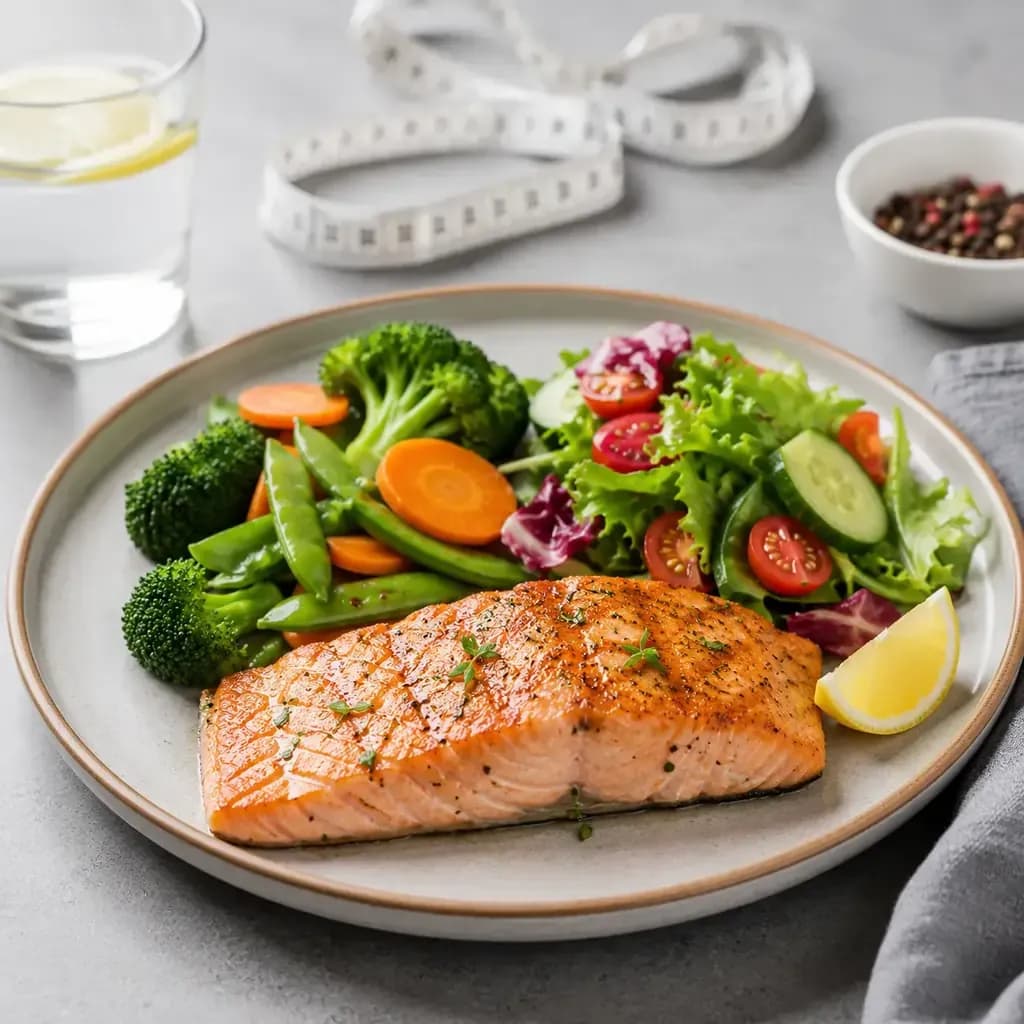
We all grew up hearing that familiar line, “Machli jal ki rani hai, jeewan uska paani hai.” For many of us, fish is not just a food; it is a story, a tradition, a family meal that brings everyone together at the dining table.
It is THE BEST seafood we could have on our plates, blending taste with health. A favourite among non-veg lovers, fish is enjoyed in countless ways, from spicy fish curry to crispy fried fish, offering comfort and flavour in every bite.
Beyond being delicious and nostalgic, it’s also recognised for its low-calorie, high-protein benefits, making it an ideal choice for those looking to shed extra kilos without sacrificing flavour. Let’s explore more why fish, the “queen of the water,” can be a perfect addition to a weight-loss-friendly diet.
What is the Connection Between Fish and Weight Loss?
Like most non-vegetarian food items, fish is packed with protein, which keeps you full for longer. This, in turn, reduces cravings and the need for frequent snacking.
High-protein diets are often linked to effective weight loss because protein has a high thermic effect, meaning your body burns more calories digesting it than carbs or fats. Fish also contains healthy fats, particularly omega-3 fatty acids, that help reduce inflammation and boost metabolism, a significant advantage for weight loss.
What is the Nutritional Value of Fish?
Fish is packed with nutrients. While each type has its own benefits, most fish are low in calories and high in protein, vitamins, and minerals. Common Indian fish such as Rohu, Surmai (Kingfish), and Bangda (Mackerel) are rich in omega-3 fatty acids, which are great for heart and brain health.
They are also full of vitamins D and B2, calcium, iron, zinc, iodine, and potassium, making fish a balanced and healthy choice for anyone looking to lose weight, and high protein content keeps you fuller for longer, which means you are less likely to feel hungry frequently. As a result, you naturally eat less often, helping to prevent weight gain.
Nutritional Value (per 100 gm)
| Nutrient | Cat Fish (Mangur) – River Fish | Mackerel Fish (Sea Fish) |
|---|---|---|
| Energy | 109 kcal | 101 kcal |
| Protein | 22 g | 22 g |
| Total Fat | 2 g | 3 g |
| Calcium | 6 mg | 31 mg |
| Phosphorus (P) | 252 mg | 231 mg |
| Omega-3 | 395 mg | 332 mg |
as per IFCT, 2017
Which Types of fish are available in our Local Markets?
When picking fish at local markets in India, it’s useful to know which ones come from rivers (freshwater) and which are from the sea (marine). The table below categorises common fish types based on their origin.
Freshwater fish, often found in rivers and lakes, are more common in northern and eastern regions, while marine fish from the sea are widely available in coastal areas.
Here’s a breakdown of popular fish types in India, with their common names and availability:
1. River (Freshwater) Fish
| Fish Type | Common Names | Availability |
|---|---|---|
| Cat Fish | Singhara, Magur | Common, available pan-India |
| Rohu | Rui, Rohu | Widely available pan-India |
| Hilsa | Ilish, Hilsa | Common in West Bengal, Odisha, Assam, and other eastern states |
| Tilapia | Jalebi Fish | Widely available pan-India |
| Carp | Katla | Widely available, especially in the freshwater regions of north and eastern India |
2. Sea (Marine) Fish
| Fish Type | Common Names | Availability |
|---|---|---|
| Ari Fish | Seer Fish, Surmai, Vanjaram | Common, especially in coastal areas |
| Kite Fish | Kite Fish, Pankha Machli | Limited, mostly in coastal regions |
| Parrot Fish | Popat Machli | Limited, coastal regions |
| Ribbon Fish (Dried) | Sukha Baam, Bombil | Common in Maharashtra and coastal areas |
| Sole Fish | Nangu, Lepo | Common, available pan-India, especially in coastal cities |
| Mackerel Fish | Bangda | Common, widely available |
| Queen Fish | Leather Skin, Kora Fish | Limited, coastal regions |
| Ribbon Fish (Fresh) | Baam, Bombil | Common in Maharashtra and coastal areas |
| Spanish Mackerel Fish | Surmai, Seer Fish | Common, especially in coastal areas |
| Milk Fish | Pallathi | Rare, more common in southern India |
| Raai Fish | Raai Machli | Limited, region-specific |
| Shark Fish | Sura, Mori | Common in Tamil Nadu and Maharashtra |
| Guitar Fish | Guitar Fish, Bhetki | Rare, coastal regions |
| Moon Fish | Karimeen, Ayi Meen | Common in Kerala and southern regions |
| Ray Fish (Bow Head, Spotted) | Waghra, Thirukkai | Limited, coastal regions |
| Silk Fish | Kane, Lady Fish | Common in Karnataka and coastal areas |
| Pomfret | Paplet, Avoli | Common, especially in coastal regions (Maharashtra, Gujarat, Kerala) |
| Indian Salmon | Rawas | Widely available pan-India, especially in coastal regions |
| Barramundi | Bhetki, Asian Sea Bass | Common in West Bengal, Maharashtra, and Goa |
| Prawn/Shrimp | Jhinga, Chingri | Widely available pan-India, popular in coastal and non-coastal regions |
| Bombay Duck | Bombil | Common in Maharashtra and coastal areas |
What are the Benefits of Eating Fish for Weight Loss?
Fish can be a valuable part of a weight loss diet thanks to its high protein content, healthy fats, and essential nutrients. Here’s how fish can support weight loss:
• High in Protein and Satiety
Fish is rich in protein, which helps increase feelings of fullness (satiety) and reduces the likelihood of overeating. When you feel fuller for longer, you don't overeat, which helps control weight gain.
• Low in Calories and High Nutrient Density
Fish is generally lower in calories than other protein sources, such as red meat or even chicken breast. For example, a 100-gram serving of catfish has 109 calories, while the same amount of chicken leg has about 380 calories.
Despite being low in calories, fish is packed with nutrients. It provides essential omega-3 fatty acids, vitamins D and B2 (riboflavin), and minerals like calcium, iron, potassium, and magnesium. Adding fish to your meals can help you meet your nutritional needs without adding too many calories, making it a great choice for weight management.
• Healthy Fats for Metabolism
Fatty fish, such as Indian Mackerel (Bangda), Rohu, Hilsa, and Seer Fish (Surmai), contain omega-3 fatty acids, which have been shown to reduce inflammation and potentially aid in fat burning. Omega-3s may help regulate metabolism, making it more efficient, which is essential for effective weight loss.
• Boosts Muscle Growth
Protein-rich foods like fish support muscle growth, which is key to maintaining a higher resting metabolism. By increasing lean muscle mass through protein consumption and exercise, you burn more calories even at rest.
• Promotes Better Blood Sugar Levels
Fish has minimal carbohydrates, so it has little effect on blood sugar levels. This can prevent insulin spikes that may otherwise lead to fat storage, especially around the belly. Keeping blood sugar levels stable is important for preventing cravings and supporting weight loss.
What are the Best Ways to Use Fish for Weight Loss?
Using fish for weight loss involves choosing the right types and preparing them in ways that maximise health benefits while keeping calories low. Here are some of the best ways to incorporate fish into a weight-loss plan:
• Opt for Lean Cooking Methods
Grilling, Baking, or Steaming: These methods help keep fish low in calories by avoiding the extra fat from frying. Grilling or baking with a sprinkle of spices, herbs, or lemon juice adds flavour without added calories.
Poaching: Poaching fish in water, broth, or a light sauce keeps it moist without adding fat, making it a great low-calorie option.
• Use Local Spices for Flavour
Turmeric, Ginger, Garlic, and Black Pepper: These spices not only enhance flavor but may also aid in digestion and fat burning. Try marinating fish in turmeric, garlic, and black pepper before grilling or baking.
Herbs and Spices Instead of High-Calorie Sauces: Use local spices and herbs, like coriander and cumin, to add depth without extra calories.
• Pair with Low-Calorie, High-Fibre Vegetables
Serve fish with a side of steamed or roasted vegetables, such as spinach, broccoli, bell peppers, or cauliflower. These veggies add fiber, helping you feel fuller longer, and they create a balanced meal without extra carbs or calories.
Eat salads (like kachumber, with cucumber, tomatoes, and onions).
• Make your regular Curries with Light, Healthy Modifications
Fish curries can be a delicious addition, but choose recipes with a light base, like tomato or onion, to keep calories in check. Opt for grilling the fish first instead of frying and adding it to the curry toward the end to retain flavor with fewer calories.
Use minimal oil, and avoid heavy cream or full-fat coconut milk. Instead, thin the curry with vegetable or fish stock for a lower-calorie base.
• Include Fish in Salads and Soups
Fish Salads: Toss grilled or steamed fish with greens, cucumbers, tomatoes, and a light lemon or curd dressing. You can also add crunchy vegetables like cabbage or carrots for extra fibre.
Fish Soup or Broth: Fish-based soups are warming, low-calorie, and filling. Use fish stock with vegetables and light spices for a flavorful, low-calorie meal.
• Portion Control with Smaller Fish Pieces
Using small fillets or portions of fatty fish like mackerel or rohu helps keep portion sizes and calorie intake in check while still getting the benefits of healthy fats and protein.
• Try Fish-Based Kebabs or Tikkas
Tandoori Fish or Fish Tikka: These dishes are prepared by marinating fish in yoghurt (dahi) and spices, then grilling or baking. They’re packed with flavour, high in protein, and low in calories, making them great for weight loss.
• Limit Carbohydrate-Rich Sides
Instead of pairing fish with high-carb sides like rice or naan, opt for high-fibre alternatives like a side salad or sautéed veggies. If you prefer grains, consider a small portion of quinoa or brown rice, which offers more fibre.
• Add Fish to Light Dals and Curries
Add small chunks of fish to lentil soups or light, thin curries. This provides protein and flavour without needing to add ghee or excessive oil.
• Mind Your Meal Timing
Eating fish as part of lunch or dinner can help keep you full without making you feel overly full. Avoid late-night fish meals, as heavy digestion at night may interfere with sleep and metabolism.
8-Healthy & Yummy Ways to Consume Fish
Here are some unique, specific ways to prepare and consume fish healthily:
1. Patra Fish (Fish in Banana Leaf)
This traditional local technique involves marinating fish in spices, wrapping it in banana leaves, and steaming it. This method locks in flavours without added oil, preserving nutrients.
Tips
Use local spices like mustard paste, green chillies, and a hint of coconut. This preparation keeps the fish moist and flavorful with minimal calories.
2. Fish Moilee (Light Kerala-Style Coconut Curry)
Fish Moilee is a light, mildly spiced curry from Kerala. It uses a small amount of coconut milk for flavour and nutrition without being overly rich.
Tips
Use lean fish like kingfish or seer fish (surmai) and limit the coconut milk to keep it low-calorie. Pair with a small portion of brown rice or steamed vegetables for balance.
3. Fish Rasam/Meen Rassam (Spicy Fish Broth)
Inspired by South Indian rasam, fish rasam is a spicy, tangy soup made with tamarind, tomatoes, and spices. It’s low in calories and rich in flavour.
Tips
Add fish to the broth toward the end to keep it tender. Spices like cumin, garlic, and curry leaves add flavour and antioxidants, making it a great choice for a light, warming meal.
4. Machha Bhaja (Odisha-Style Light Fish Fry)
A speciality in Odisha, Machha Bhaja involves lightly frying marinated fish with minimal oil, often using mustard oil for flavour.
Tips
Use a non-stick pan to limit oil. Marinate with turmeric, garlic, and green chilli. This style gives a crispy exterior without excessive oil absorption, making it healthier than deep-fried options.
5. Fish Paturi (Bengali Mustard-Marinated Fish)
Paturi is a traditional Bengali preparation that involves marinating fish in a mustard-poppy seed paste and steaming it in banana leaves. It’s aromatic and uses little oil.
Tips
Use mustard paste, green chilli, and poppy seeds. Choose fish like hilsa or bhetki for authentic flavour and wrap them in banana leaves for an added layer of taste.
6. Fish Khichdi
A lesser-known but delicious dish, fish khichdi combines lentils, rice, and spiced fish in one pot, creating a balanced meal rich in protein and fibre.
Tips
Use lean fish like rohu and cook with minimal oil. Season with cumin, coriander, and ginger-garlic paste for flavour. This wholesome meal is filling and nutrient-dense without being heavy.
7. Konkan-Style Fish Ambotik (Tamarind Fish Curry)
Originating from the Konkan coast, Ambotik is a tangy, spicy curry made with tamarind and kokum. It’s low in calories and packed with bold flavours.
Tips
Use tamarind paste, kokum, and a mix of spices like coriander, turmeric, and red chilli. This curry pairs well with a small portion of steamed rice or a side of stir-fried vegetables.
8. Fish Sukka (Dry Masala Fish from Coastal Karnataka)
Fish Sukka is a dry preparation that uses coconut and spices, lightly pan-cooked without too much oil.
Tips
Use lean fish, coconut shavings, and spices like mustard seeds, curry leaves, and green chillies. This method keeps the fish flavorful and nutritious without excess oil.
What are the Precautions and Side Effects of Eating Fish?
Eating fish has many health benefits, but it’s essential to take a few precautions:
• Mercury Levels
Some fish can contain mercury, which may affect health if consumed in large amounts. Stick to low-mercury fish like salmon and sardines, especially for sensitive groups like pregnant women and children.
• Food Safety
To avoid foodborne illnesses, ensure fish is fresh and properly cooked. Raw or undercooked fish should be avoided.
• Allergies
Fish can cause allergies in some people, so avoid them if you’re sensitive or allergic.
• High Sodium in Processed Fish
Canned or smoked fish can be high in salt, so choose fresh options when possible to avoid excess sodium.
• Environmental Toxins
Pollutants in some fish may build up over time, so sourcing fish from clean waters or reputable farms can reduce risk.
• Medication Interactions
If you’re on medication, especially blood thinners, check with a doctor before taking fish oil supplements.
Which Fish is Good for Weight Loss?
Some of the best fish for weight loss in India include:
Rohu: This freshwater fish is rich in protein and omega-3, making it a great option for those who want to lose weight. Hilsa: Though slightly oily, Hilsa has healthy fats that are beneficial when consumed in moderation. Surmai (Kingfish): A popular choice, it’s high in protein and low in fat. Bangda (Mackerel): Known for its omega-3 content, this fish is filling and nutritious. Pomfret: A low-calorie fish that’s perfect for a light meal when grilled or steamed.
Is it Okay to Eat Fish Every Day?
Yes, it is generally safe to eat fish daily, especially varieties low in mercury. However, balance is key. Consuming fish 2-3 times a week is often recommended for those focusing on weight loss while ensuring nutritional variety.
How Can PB Health Support You?
When someone in your family needs care, you should not have to worry about what happens next or who is responsible for each step.
At PB Health, we believe wellness requires continuity, coordination, and consistent follow-through. Our doctors and care teams work together, supported by technology that helps track progress, organise follow-ups, and keep information clear and accessible. From prevention to recovery, every stage is managed thoughtfully so that nothing important is missed and nothing is left unclear.
To understand more about our approach, you can visit our website, PB Health.