

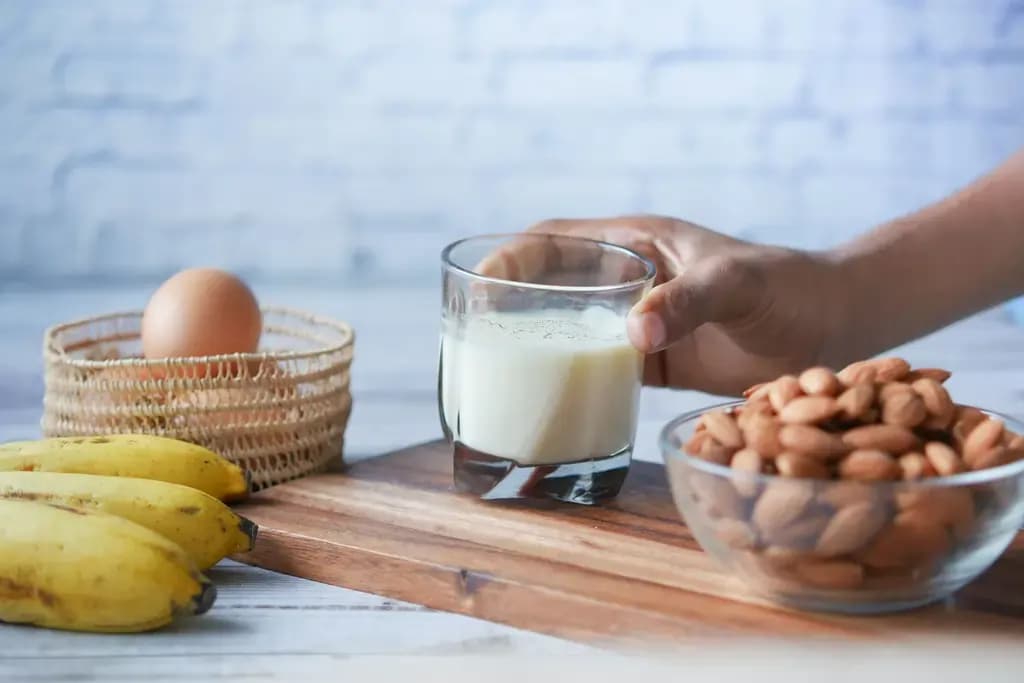
There is clear awareness among people that every child needs calcium for healthy, strong bones. The advantages of calcium, however goes beyond that.
This mineral helps in the healthy functioning of your nerve system, is required for blood clotting, regulates the contraction of heart muscles and has much more to contribute in terms of its positive effects. Calcium, thus, is the most vital element required for normal growth and development in children.
1) Milk (Cow’s milk)
1 medium glass (150 ml): 177 mg of calcium, Buffalo’s milk - 1 medium glass (150 ml): 182mg of calcium.
The easiest way to collect a major portion of calcium from the diet is through a glass of milk. Easily digestible and absorbable, milk is definitely one of the highest sources of this nutrient.
Milk can be consumed as such or added to your child’s diet in the form of milkshakes or sweet preparations like sheera, kheer, etc.
2) Curd (Dahi)
1 large bowl(200gms): 298mg of calcium
Does your child have an aversion to milk? If yes, don’t worry…increase the calcium count of your child through the consumption of curd, which also contains healthy bacteria for your child’s gut. With 298mg of calcium coming from a large bowl of curd, this food works as an amazing substitute for milk.
3) Drumstick Leaves
50g of drumstick leaves: 157 mg of calcium
There’s no need to rely only on dairy products to obtain calcium. Drumstick leaves are the richest source of calcium.
Including these leaves in your child’s daily diet will contribute to meeting their requirements of calcium and more. Add the greens to rotis/dosa or mash them into gravies/curries or pulao.
4) Gingelly Seeds(til)
1 teaspoon: 83 mg of calcium. These little seeds, commonly known as til, when added to various recipes, even in smaller amounts, give loads of calcium. Little did we know that apart from contributing to the taste, these could actually help our kids gain the extra calcium required in the diet.
5) Ragi(Nachni)
2 tablespoons of uncooked ragi: 109 mg of calcium
There is no cereal that can be compared to ragi in terms of its calcium content. Incorporating nachni into porridge/kheer, idlis/dosas, or including it as bhakri in our growing children's diet is a good way to reap its benefits.
6) Amaranth(Rajgira)
2 tablespoons of uncooked amaranth seeds: 54 mg of calcium
If you have still not added this easily available cereal to your diet, there’s no time like now to start it right away. Make delicious pooris, parathas and rotis of calcium-rich Rajgira flour or just include them to make tasty kheer or chikki/ladoos.
7) Horsegram(Kulith)
2 tablespoons of uncooked horse gram: 80.7 mg of calcium
A lesser-known pulse, however, horsegram has the highest calcium content among all pulses. This pulse can be easily incorporated in chutney, curries, soups, dosa batters, parathas, etc.
8) Soyabean
2 tablespoons of uncooked soyabean: 72 mg of calcium
Soy is a multi source of protein and calcium. Available as chunks, granules, or a powdered form of flour, it can be used in a variety of soups or gravies!
9) Bombay duck dry (Sukkha Bombil)
100g - 1389 mg of calcium, Bombay duck-fresh (Bombil) - 100g - 159 mg of calcium
If you are a non-vegetarian, these yummy fish are the right option in the diet to grab the calcium for your child. Both fresh and dried forms contribute a good amount of calcium.
This fish could be served either as a curry or steamed with masalas. The dried version of fish could be incorporated into making chutneys.
10) Crab
100g - 1370 mg of calcium
Crab meat is a popular seafood favourite among seafood lovers in India and is also considered a universal delicacy. Its meat is soft and delicate with a mild sweetness to it.
Conclusion
Calcium is essential for a child’s healthy growth and strong bones. While milk and dairy products are well-known sources, many plant-based foods and seafood also provide good amounts of calcium. Including a variety of these foods in your child’s daily diet can help meet their nutritional needs and support overall development. A balanced diet with calcium-rich foods is key to building strong bones and maintaining good health in growing children.
How PB Health Can Support You?
When someone in your family needs care, you should not have to worry about what happens next or who is responsible for each step.
At PB Health, we believe wellness requires continuity, coordination, and consistent follow-through. Our doctors and care teams work together, supported by technology that helps track progress, organize follow-ups, and keep information clear and accessible. From prevention to recovery, every stage is managed thoughtfully so that nothing important is missed and nothing is left unclear.
To understand more about our approach, you can visit our website, PB Health.