

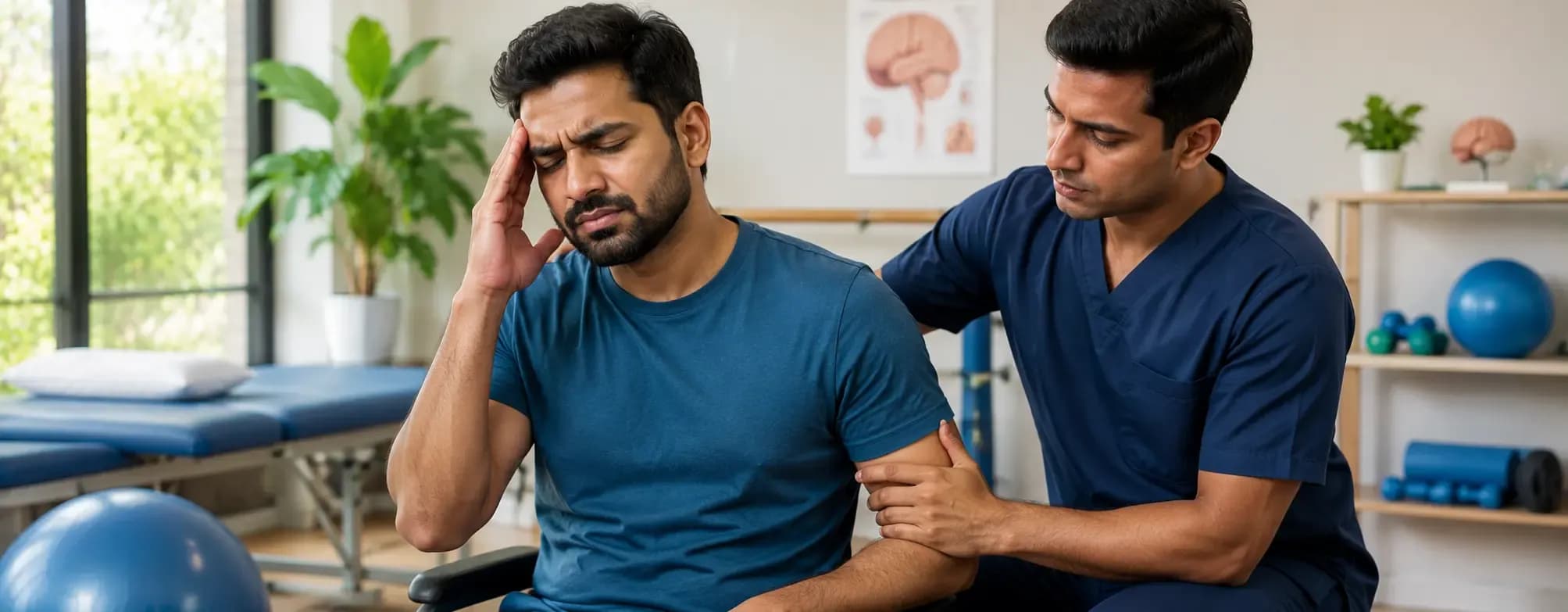
A stroke can change a person’s life within a few minutes. One moment, everything feels normal. The next, simple activities such as speaking, walking, or holding a cup may become difficult. While emergency medical treatment is the priority, recovery does not end when a patient leaves the hospital. Physiotherapy plays a major role in helping people regain movement, independence, and confidence.
The good news is that recognising the early warning signs of a brain stroke and seeking immediate treatment can reduce long-term disability. Understanding what happens during a stroke and how rehabilitation works can make a significant difference for patients and their families.
What Is a Brain Stroke?
According to WHO, in 2021, about 93.8 million people worldwide were affected by stroke, making it the third leading cause of death and disability. India records approximately 1.5 to 1.8 million new brain stroke cases every year, amounting to one stroke every 20 seconds.
A brain stroke is a medical emergency that happens when blood flow to the brain is interrupted, either due to a blockage or bleeding. This lack of blood flow can lead to brain cell death and serious complications.
There are two main types of stroke:
● Ischemic stroke: Caused by a blocked blood vessel. This accounts for nearly 85% of all strokes.
● Hemorrhagic stroke: Caused by bleeding inside or around the brain after a blood vessel bursts.
A transient ischemic attack (TIA), also called a mini stroke, is a temporary blockage of blood flow. Although symptoms disappear within hours, it is a serious warning sign that should never be ignored.
Early Warning Signs of a Brain Stroke
The faster a stroke is identified, the greater the chance of reducing brain damage. Remember the word BEFAST:
B: Balance Loss: Sudden loss of balance, dizziness, or difficulty walking can be an early sign of a stroke, especially if it appears without an obvious cause.
E: Eye(vision) Changes: A stroke may cause sudden blurred vision, double vision, or loss of vision in one or both eyes.
F: Face Drooping: One side of the face may droop or feel numb. Ask the person to smile. If one side appears uneven, seek emergency help immediately.
A: Arm Weakness: One arm may become weak or numb. Ask the person to raise both arms. If one arm drifts downward, it could indicate a stroke.
S: Speech Difficulty: Speech may become slurred, confusing, or difficult to understand. The person may also struggle to find the right words.
T: Time to Call Emergency Services: Do not wait for symptoms to improve. Every minute counts during a stroke.
Other Symptoms That Should Not Be Ignored
Some people experience additional symptoms, which include:
● Sudden weakness or numbness on one side of the body
● Loss of balance or coordination
● Sudden dizziness
● Blurred or double vision
● Severe headache without a known cause
● Difficulty understanding conversations
● Sudden confusion
● Trouble walking
Symptoms may vary depending on the part of the brain affected.
Who Is at Higher Risk?
Although stroke is more common in older adults, it can occur at any age, and the risk factors include:
● High blood pressure
● Diabetes
● High cholesterol
● Smoking
● Obesity
● Heart disease
● Atrial fibrillation
● Lack of physical activity
● Excessive alcohol consumption
● Family history of stroke
Managing these conditions can significantly lower the risk of stroke.
Individuals with risk factors such as high blood pressure, diabetes, heart disease, or a family history of stroke should consider regular consultations with a Neurologist in Gurgaon to assess their neurological health and reduce the risk of future complications.
What Happens After a Stroke?
Recovery depends on several factors, including:
● The type of stroke
● The area of the brain affected
● How quickly treatment was received
● The person's overall health
Some individuals recover within weeks, while others require months of rehabilitation. Common challenges after a stroke include:
● Muscle weakness
● Paralysis
● Difficulty walking
● Poor balance
● Joint stiffness
● Reduced coordination
● Difficulty performing daily activities
This is where physiotherapy becomes an essential part of recovery.
Why Physiotherapy Matters After a Stroke
The brain has an incredible ability to adapt. With consistent rehabilitation, healthy parts of the brain can learn to take over some lost functions. Physiotherapy helps encourage this process through guided movement and exercise.
Starting rehabilitation early, once the patient is medically stable, can improve recovery outcomes.
Benefits of Physiotherapy After Stroke
Physiotherapy helps patients:
● Improve muscle strength
● Restore balance and coordination
● Regain walking ability
● Increase flexibility
● Prevent muscle stiffness
● Improve posture
● Reduce the risk of falls
● Build confidence during daily activities
The goal is not just movement, but helping patients return to everyday life as independently as possible.
Common Physiotherapy Techniques
Every rehabilitation plan is personalised based on the patient's condition.
A physiotherapist may include:
Mobility Training: Patients gradually relearn how to sit, stand, walk, and climb stairs safely.
Balance Exercises: These exercises improve stability and reduce the risk of falls.
Strengthening Exercises: Targeted exercises help rebuild weakened muscles affected by the stroke.
Range of Motion Exercises: Gentle movements prevent joints from becoming stiff and maintain flexibility.
**Gait Training: **Patients learn proper walking patterns using support devices if needed.
Functional Training: Therapy focuses on everyday activities such as getting out of bed, dressing, or moving around the house.
How Long Does Stroke Rehabilitation Take?
There is no fixed timeline, and the recovery time varies depending on:
● Stroke severity
● Age
● Overall health
● Motivation
● Family support
● Regular participation in therapy
Some improvements appear within weeks, while others continue over months or even years. Small, steady gains often lead to meaningful improvements in quality of life.
Can Stroke Patients Recover Completely?
Some people recover almost completely, especially when treatment begins quickly, and rehabilitation starts early. Others may continue to have some physical or cognitive limitations.
Even when full recovery is not possible, physiotherapy helps maximise independence and improve daily functioning.
Progress may sometimes feel slow, but consistent practice can make everyday tasks easier over time.
Supporting Recovery at Home
Family members play an important role in rehabilitation. Simple ways to support recovery include:
● Encouraging prescribed home exercises
● Keeping walkways free from obstacles
● Installing grab bars where needed
● Allowing the patient to perform tasks independently when safe
● Celebrating small improvements
● Attending follow-up appointments regularly
A supportive environment helps patients stay motivated throughout recovery.
Can Stroke Be Prevented?
Many strokes are preventable by managing common risk factors.
Healthy habits include:
● Keeping blood pressure under control
● Managing diabetes and cholesterol
● Quitting smoking
● Exercising regularly
● Eating a balanced diet
● Maintaining a healthy weight
● Limiting alcohol intake
● Taking prescribed medications as directed
Regular health check-ups can also identify risk factors before they become serious.
When Should You Seek Immediate Medical Help?
Call emergency medical services immediately if you or someone around you experiences:
● Sudden facial drooping
● Weakness in one arm or leg
● Difficulty speaking
● Sudden vision changes
● Loss of balance
● Severe unexplained headache
Never wait to see if symptoms improve. Quick treatment can save brain cells and improve recovery.
Conclusion
A brain stroke is a medical emergency that requires immediate treatment. Recognising the warning signs early can save lives and reduce long-term disability. Recovery, however, continues well beyond the hospital.
Physiotherapy is one of the most important parts of stroke rehabilitation. It helps patients rebuild strength, improve mobility, regain independence, and return to everyday activities with greater confidence. Combined with timely medical care, family support, and expert rehabilitation from trusted healthcare providers like PB Health, stroke survivors have the best chance of achieving meaningful recovery and improving their quality of life.
How PB Health Can Support You
At PB Health, we understand that stroke recovery extends beyond emergency treatment. Whether you are recovering from a recent stroke or experiencing ongoing challenges with movement, balance, or daily activities, our multidisciplinary team can assess your condition and recommend personalised rehabilitation, physiotherapy, and long-term care plans to help you regain mobility, independence, and confidence.