

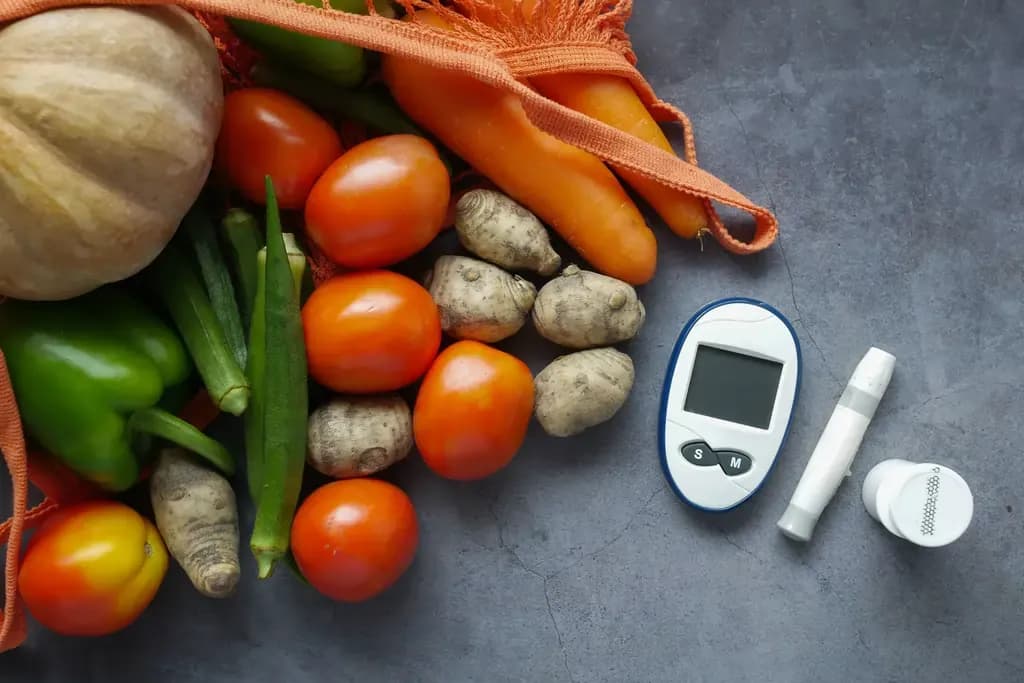
Sugar is everywhere - whether in your tea, snacks or even foods you didn’t think had any! While a bit of sugar is fine, having too much can affect your energy, weight, and overall health. That’s why switching to a low-sugar diet can really help.
But don’t worry - a low-sugar diet doesn’t mean giving up all your favourite foods. It is about knowing what to eat, what to avoid, and making small changes that are easy to stick to.
By choosing healthier options, you can feel better, stay energetic, and take care of your health in the long run.
In this blog, we’ll help you understand how to get started with a low-sugar diet - what foods are good, what to avoid, and how to make this lifestyle simple and manageable. Let's first learn what a low-sugar diet means.
What is a Low-Sugar Diet?
A low-sugar diet can be understood in two ways:
1. Low in Table Sugar and Sugary Products
This refers to a diet that minimizes added sugar intake, such as table sugar, sugary snacks, candies, desserts, mithais, sugary beverages, and other processed foods. These added sugars are called "empty calories" because they provide energy but lack essential nutrients.
2. Low in Simple Carbohydrates that Convert to Sugar
This type of low-sugar diet focuses on reducing foods high in simple carbohydrates, such as white bread, white rice, pastries, maida items, and certain processed snacks and beverages, such as soda and fruit juices.
These carbohydrates are quickly broken down in the body into glucose (a type of sugar), leading to rapid spikes in blood sugar levels.
Even homemade foods can fall under this category of simple carbohydrates that convert to sugar. For example, homemade jam or murabba (a sweet preserve) still contains sugars and carbohydrates that can raise blood sugar levels.
However, the difference lies in the processing part. Homemade jam, marmalade, spreads, chutney, butter, or murabba are minimally processed, meaning that when we make these dishes at home, the steps involve only washing, peeling, cutting, and cooking.
We don’t usually add things like artificial flavours, preservatives, colours, or extra sweeteners. But the store ones are full of these, making them highly processed, and that’s obviously not good for us.
This is why we must choose wholesome, minimally processed foods whenever possible.
Did You Know?
The more processed a food is, the faster it can spike your blood sugar!For example, a whole boiled potato digests slowly, keeping you full longer. Still, potato chips - made from the same potato - are processed with refined oils, salt, preservatives, and artificial flavours, making them easier to overeat and causing quick sugar spikes. The closer a food is to its natural form, the better it is for your health!
Why Choose a Low-Sugar Diet?
Adopting a low-sugar diet offers a range of health benefits, such as:
Steady energy: Keeps you from sudden spikes and crashes in blood sugar.
Healthy weight: Helps avoid extra calories from sugary foods.
Better metabolism: Lowers the chance of insulin problems and type 2 diabetes. Lower risk of health problems: Reduces the chances of heart disease, obesity, and other sugar-related issues.
Healthier gut and teeth: Prevents tooth decay and digestive problems from too much sugar.
Low Sugar Diet Food List: What to Include?
A low-sugar diet is all about balance. It focuses on consuming whole, unprocessed foods which contain less sugar and are packed with essential nutrients to support energy levels, digestion, and overall health. Including a variety of these foods in your daily meals can help prevent cravings and promote a sustainable way of eating.
1. Vegetables
Leafy greens, bottle gourd, bitter gourd, ridge gourd, drumsticks, and carrots are good choices of vegetables, high in fiber, vitamins, and minerals, and naturally low in sugar. Fiber present in vegetables helps slow the absorption of sugar and keep blood sugar steady.
2. Whole Grains and Millets
Choose whole wheat (gehun), brown rice (chawal), jowar, bajra, and ragi, and these grains provide sustained energy and are better than refined grains, as they have a lower glycemic index and help in gradual sugar release.
3. Legumes and Pulses
Add lentils like chickpeas, kidney beans, and black gram. They are full of protein and fiber, which help digestion, keep you full, and stop unnecessary snacking.
4. Nuts and Seeds
Walnuts, almonds, flaxseeds, and chia seeds are nutrient-dense and provide healthy fats that help keep you fuller for longer. They also help in managing cravings and provide steady energy throughout the day.
5. Fruits
Choose fruits such as guava, papaya, berries, and apples and these fruits are naturally sweet but have a lower sugar content compared to mangoes and grapes. They provide essential vitamins and fiber without causing sugar spikes.
6. Dairy Products
Choose dairy products such as plain yogurt (dahi), paneer, and toned milk (doodh), which provide protein and calcium without added sugars. Probiotic-rich yogurt also supports gut health and digestion.
7. Fish and Seafood
Fatty fish like salmon, mackerel (bangda), and sardines contain healthy omega-3 fats and are naturally low in sugar. They help keep the heart healthy and provide good-quality protein.
8. Eggs and Poultry
Eggs and skinless chicken are a good source of protein without added sugars, making them a great addition to a balanced diet. These are versatile and easy to include in meals.
9. Spices and Herbs
Turmeric, cinnamon, ginger and fenugreek help in blood sugar management and add flavour without extra calories. They also have anti-inflammatory properties and improve digestion.
Low-Sugar Diet: Foods to Stay Away From:
While focusing on healthy options, it is equally important to avoid foods that contribute to sugar overload and negatively affect health. Processed and packaged foods usually contain hidden sugars that can hinder progress.
1. Carb-Heavy Foods
Refined flours, such as maida, and foods made with them, such as bread and noodles, should be limited, as they cause rapid spikes in blood sugar and contribute to weight gain.
2. High-Sodium Foods
High-sodium foods are a common part of many diets, often used for flavour enhancement and preservation. While sodium is an essential nutrient, excessive consumption can cause health concerns such as high blood pressure and water retention.
It is also important to note that while some high-sodium foods contain sugar, not all do. Here’s a breakdown:
i) High Sodium Alone
Some foods are primarily high in sodium without added sugars. Examples include Pickles (achar), Papads, Salted nuts, etc.
These foods are worth monitoring for their sodium content, even if they don't contribute to sugar intake.
ii) High Sodium + Sugar
Certain foods combine high levels of sodium and sugar to enhance their flavour and appeal. Examples include flavoured chips, sweet-and-sour pickles, snack bars, or processed snacks.
3. Sweets and Desserts
Mithai, cakes, pastries, and ice cream are high in sugar, so it’s best to avoid them. They can quickly raise your blood sugar and, over time, lead to weight gain.
4. Deep-Fried and Fast Foods
Deep-fried and fast food, such as samosas, pakoras, and chips, contain unhealthy fats and may contain hidden sugars that negatively impact metabolism.
5. Processed and Packaged Foods
Ready-to-eat meals, instant noodles, and flavoured yogurts contain added sugars and preservatives that may harm your health over time.
6. High-Fat Dairy Products
Whole cream milk, processed cheese, and flavoured milk can add unwanted sugar and fat to the diet, increasing calorie intake.
7. Bakery Products
Biscuits, cookies, and bread are often made with refined flour and sugar, which can increase sugar intake and provide very little nutrition.
8. Starchy Vegetables
Potatoes, sweet potatoes (shakarkand), and yams have higher content of suagr which can lead to blood sugar spikes. They should be consumed in moderation to avoid sugar spikes.
9. High-Fat Meats
Fatty cuts of meat, like mutton, and processed meats, like sausages, contain unhealthy fats and hidden sugars that can affect heart health.
Which Low Sugar Beverages to Drink & Avoid?
Staying hydrated is key to controlling sugar cravings. Choosing the right drinks can help maintain hydration without adding unnecessary sugars.
Drinks to Have
Sattu: A protein-rich drink that provides energy without sugar.
Milk (doodh): Plain milk provides calcium and protein.
Chaas (Buttermilk): A refreshing and healthy probiotic drink that aids digestion.
Soups: Homemade vegetable soups without added cream or sugar are great meal options.
Green Tea: Rich in antioxidants and naturally sugar-free.
Kokum Water: A tangy, refreshing drink with digestive benefits.
Herbal Tea: Helps detoxify the body without adding sugar.
Drinks to Avoid
Sugary drinks can add empty calories and cause sugar spikes, leading to weight gain and other health issues. It is best to avoid:
Alcohol: High in sugar and empty calories, leading to weight gain.
Soft drinks: Packed with added sugar and artificial ingredients that can spike blood sugar.
Sherbat: Often loaded with sugar syrups that provide no nutritional benefits.
Cold drinks: These drinks contain high amounts of sugar and preservatives.
Soda: Carbonated beverages with added sugars, which contribute to weight gain.
Packaged fruit juice: Often contains hidden sugars and lacks fiber compared to whole fruits.
6 Tips for Reducing Sugar and Processed Foods
To make low-sugar eating more practical, here are some simple tips:
Check food labels: Look for hidden sugars in processed foods, often labelled as high fructose corn syrup, sucrose, or glucose.
Choose whole grains: Choose whole wheat bread, brown rice, and oatmeal instead of refined grains.
Snack smart: Replace sugary snacks with nuts, seeds, or fresh fruits.
Cook at home: Always try to prepare meals using fresh ingredients to control sugar and processing levels. For example, make homemade chapati instead of store-bought bread.
Limit sugary beverages: Whenever possible, replace sodas and sweetened juices with water, herbal teas, or infused water.
Practice moderation: If consuming homemade sweets like murabba, limit portion sizes to enjoy the flavour without overloading with sugar.Following a low-sugar diet does not mean completely avoiding sugar but making smarter food choices. By choosing whole foods like vegetables, fruits, whole grains, and proteins while limiting processed and sugary foods, you can maintain steady energy, support your health, and reduce the risk of lifestyle diseases. Small and consistent changes in daily eating habits can make a big difference in the long run.
How PB Health Can Support You?
When someone in your family needs medical care, you should not have to worry about what comes next or who will take care of each step.
At PB Health, we believe good healthcare depends on proper planning and regular follow-ups. Our doctors and care teams work together, supported by technology that helps track progress, organise follow-ups, and keep all information clear and accessible. From prevention to recovery, every stage is managed carefully so that nothing important is overlooked.
To learn more about our approach, visit the PB Health website.