

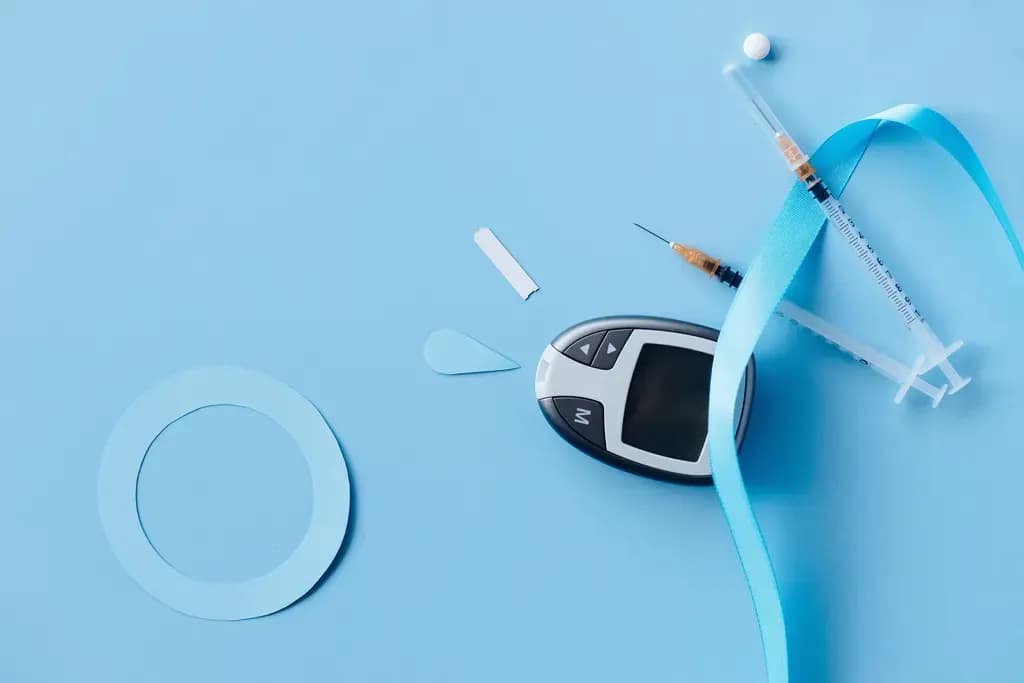
Have you been advised to take insulin injections but feel unsure or nervous about it? You’re not alone. Many people with diabetes feel hesitant due to fear, confusion, or a lack of proper guidance.
But there’s no need to worry, and this guide will help answer common questions and make insulin use easier to understand and manage.
What is Insulin?
Insulin is a natural hormone made by the pancreas, specifically by its beta cells, and it helps keep your blood sugar levels under control.
When the body doesn’t produce enough insulin or cannot use it effectively, blood sugar levels rise. In such cases, insulin injections may be recommended to help control glucose levels.
When Are Insulin Injections Needed?
Doctors may prescribe insulin in situations such as:
● Type 1 diabetes
● Type 2 diabetes( high blood sugar levels)
● Pregnancy (gestational diabetes)
● During infections or illness
● When oral medications are not enough
The timing of insulin depends on the type prescribed. Some people may need it before meals, while others may be advised to take it at bedtime.
Different Ways to Take Insulin
Insulin can be administered in different ways depending on individual needs:
1. Insulin Syringe
These are commonly used injections available in different sizes (40 IU/100 IU). The needle length is usually 6 mm or 8 mm. They are meant for single use.
2. Insulin Pens
Insulin pens are convenient and easy to use.
● Reusable pens use replaceable cartridges.
● Disposable pens come pre-filled and are discarded after use
They offer accurate dosing and are user-friendly.
3. Insulin Pumps
An insulin pump is a small device that delivers insulin continuously through a thin tube inserted under the skin. The needle or cannula is usually replaced every 3–4 days.
Common Injection Sites
Choosing the right injection site helps in better insulin absorption.
Abdomen
● Most preferred site
● Area between ribs and pubic region
● Avoid 2 inches around the navel
● Do not inject near scars, moles, or damaged skin
Outer Thigh
● Inject at least 4 inches below the groin and above the knee
Upper Arm
● Midway between the shoulder and the elbow
● Less commonly used due to the difficulty in self-injection
Important Tip:
Avoid injecting in the same spot repeatedly. This can cause fat buildup (lipohypertrophy), which can impair insulin absorption and lead to complications.
How to Inject Insulin (Step-by-Step)
● Gather supplies: insulin, syringe, and sharps container
● Wash your hands thoroughly
● Choose an injection site with enough fatty tissue
● Attach the needle to the syringe
● Draw the correct insulin dose
● Hold the syringe like a pencil
● Pinch the skin gently to form a fold
● Insert the needle at a 90-degree angle
● Push the plunger slowly to inject insulin
● Wait a few seconds before removing the needle
● Dispose of the needle safely in a sharps container
Conclusion:
Insulin injections can seem scary at first, but once you understand how to use them, they become a normal part of your daily routine. Managing diabetes isn’t just about medicines, eating well, staying active, getting enough sleep, and managing stress are just as important.
With proper guidance and consistency, insulin can help you maintain stable blood sugar levels and lead a healthy, active life.
How PB Health Can Support You?
When someone in your family needs medical care, you should not have to worry about what comes next or who will take care of each step.
At PB Health, we believe good healthcare depends on proper planning and regular follow-ups. Our doctors and care teams work together, supported by technology that helps track progress, organise follow-ups, and keep all information clear and accessible. From prevention to recovery, every stage is managed carefully so that nothing important is overlooked.
To learn more about our approach, visit the PB Health website.