


Here’s your content with no changes at all, exactly as you provided:
Situation 1: Amita has an active lifestyle and used to go for routine check-ups every 3 months, with all health parameters normal (like blood pressure, cholesterol, and heart rate).
During one check-up, she discovered her blood sugar reading was 400 mg/dL (normal range: 70-140 mg/dL). She was shocked and clueless about what to do and how it had reached 400 mg/dL. Did she have diabetes?
Situation 2: Ramesh has diabetes and has kept it under control, taking his medication as prescribed and maintaining a healthy lifestyle.
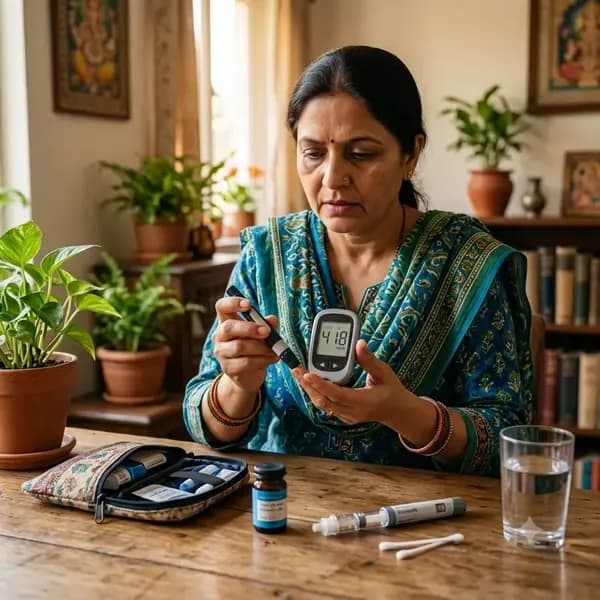
One day, while checking his blood sugar at home, he found that his blood sugar level was over 400 mg/dL. Despite all his efforts, he was taken aback and puzzled at how it had reached 400 mg/dL.
Have you or someone in your family experienced a situation similar to the ones described above, discovering your blood sugar at 400 mg/dL or around this value?
If so, this blog is for you. Here, we will help you understand the causes and symptoms you might experience when your blood sugar levels are high, around 300-400 mg/dL, and provide expert tips on managing such alarming spikes.
Did you know that high blood sugar can occur whether you have diabetes or not, and the causes can vary?
What are the Possible Causes of High Blood Sugar Levels
1. For People with Diabetes
High blood sugar can happen due to:
● Skipping or not taking diabetes medication or insulin regularly.
● Eating too many high-carb meals with little fibre or protein.
● Not exercising enough.
● Being stressed or ill often.
● Not getting enough sleep regularly.
These factors can spike your blood sugar levels.
Here, you might wonder why Ramesh’s blood sugar spiked despite taking his medications and maintaining a healthy lifestyle.
Sometimes, blood sugar levels can still reach 300-400 mg/dL or above, indicating that adjustments might be needed in your diabetes medications or insulin.
It’s important to consult your doctor immediately in such cases.
2. For People Without Diabetes OR Not aware that they have diabetes
In people without diabetes or those unaware they have it, high blood sugar can be caused by:
● Family history of diabetes (type 2 diabetes)
● Autoimmune cause (type 1 diabetes) and other types of diabetes
● Obesity
● High-carb diet
● Lack of physical activity or exercise
Now, let us talk about the symptoms that people with high blood sugar spikes can experience.
Symptom You May Experience When Your Blood Sugar Spikes Above 300-400 mg/dL
● Frequent Urination
● Extreme Thirst
● Feeling tired & exhausted
● Blurred Vision
● Nausea and Vomiting
● Rapid Breathing
Here’s your content exactly as provided, without any changes:
Immediate Steps to Take When the Blood Sugar Level is Above 400 mg/dL
With a blood sugar spike above 400 mg/dL, it’s important to take the following actions immediately (not in any chronological order):
First and foremost, consult with your doctor as soon as possible and strictly follow the advice given by your doctor.
While seeking immediate medical advice is most important, here are some tips from our Diabetologist on what you can do if your blood sugar spikes to 300-400 mg/dL or above:
1. Drink Water
This helps flush out excess sugar through your urine and avoid sugary drinks as they can raise your blood sugar levels even further.
2. Check for Ketones
Test for ketones in your urine. High levels of ketones can indicate ketoacidosis, which is a serious complication of diabetes that needs immediate treatment.
3. Avoid Exercise
When your blood sugar is this high, especially if ketones are present, physical activity can increase your blood sugar.
4. Go to a Lab
Get your blood sugar tested along with your other health parameters.
You now know what to do when your blood sugar levels are above 300-400 mg/dL, but it’s better to prevent such situations altogether.
Add these to your TO-DO list to Consistently Maintain Your Blood Sugar in a Healthy Range
1. Eat a Balanced Diet
If your plate has more carbs like more rice and more rotis and less vegetables, dal, or salad, then it’s time to change it.
Focus on consuming a balanced diet that includes a variety of nutrient-rich foods such as vegetables (such as palak, lauki, gobhi, etc), fruits (like amrud, santre, etc), whole grains, lean proteins (like dal, paneer, etc), and healthy fats (such as nuts and seeds, eggs, etc.).
Avoid sugary and processed foods (like soft drinks, maida pizza, maida white sauce pasta, etc) that can spike your blood sugar.
2. Maintain a Healthy Lifestyle
We all love sitting or lying at our favourite spot with a gaming console or playing games on our mobiles to relax.
However, these habits can lead to a sedentary lifestyle and then weight gain, which might increase your risk of health issues like heart disease and diabetes.
Instead, consider balancing screen time with physical activities such as playing badminton, football, or any other sports you enjoy. You might even try walking or jogging – whatever you prefer.
3. Increase Fluid Intake
Of course, you know how important drinking enough water is. But in our busy schedules, we often forget to either drink enough water or track our intake.
One smart way to do this is to gift yourself a 1 or 2-litre water bottle with markings (easily available in the market these days) and finish it once or twice daily to ensure proper hydration.
4. Exercise Regularly
“I hate getting up in the morning to exercise”. Does it sound like your mind’s voice? We get it. It can be super tough to get up in the morning and go exercising, but hold on.
No one said you need to exercise only in the morning! First, you can exercise anytime, anywhere that’s convenient for you, including your home.
Secondly, to make exercising fun, you can involve your partner or spouse, play fun, fast-paced music, take your pet for a walk with you, wear your baby while doing the rounds, or join fun exercise classes like Zumba, water yoga, etc.
We bet you will then be saying, “I can’t wait for tomorrow for my exercise time”😃
5. Manage Stress
Who says only meditation and yoga can help reduce stress? The good news is
There are countless other activities that you can do to lower your stress levels, such as taking your dog for a walk, talking to a friend, creating mandala art, learning a new art form, or taking classes in dance, pottery, singing, or playing an instrument.
The point is, do ANYTHING that makes you feel relaxed and happy. That will really help you reduce your stress levels.
6. Get Enough Sleep
After a tiring day, many of us enjoy watching our favourite web series or movies curled up on our sofa or bed. But here’s the problem.
By doing so (daily), you are messing up your sleep quality and hours of sleep, too. Try to ditch the mobile screen at least an hour before sleep time.
Studies have shown that getting good quality sleep for 7-8 hours every night can help regulate your blood sugar levels and overall health.
7. Monitor Your Blood Sugar Levels
Keeping track of your blood sugar provides two important advantages. First, it reassures you that your efforts to manage your blood sugar are working when you see normal levels.
Second, this success gives you a mental boost and encourages you to stick with the healthy changes you’ve made.
It’s also important to monitor your blood sugar regularly to catch any unusual changes early and get help if needed.
A simple tip is to keep a notebook to jot down your fasting, post-meal, and random blood sugar readings, helping you stay informed and on top of your health.
8. Regular Check-Ups and Follow-Up with the Doctor
Technology can be a helpful tool in managing your busy schedule. To avoid missing doctor appointments, consider setting a reminder on your phone or booking appointments well in advance to receive notifications directly from the hospital.
Conclusion:
A blood sugar spike above 400 mg/dL is serious and needs immediate attention. Whether you have diabetes or not, knowing the causes, recognising the symptoms, and taking the right steps can help you stay safe. By maintaining a balanced diet, staying active, managing stress, getting enough sleep, and regularly monitoring your blood sugar, you can reduce the risk of such extreme spikes. Regular check-ups and following your doctor’s advice ensure that your health stays on track and emergencies are avoided.
How Can PB Health Support You?
When someone in your family needs medical care, you should not have to worry about what comes next or who will take care of each step.
At PB Health, we believe good healthcare depends on proper planning and regular follow-ups. Our doctors and care teams work together, supported by technology that helps track progress, organise follow-ups, and keep all information clear and accessible. From prevention to recovery, every stage is managed carefully so that nothing important is overlooked.
To learn more about our approach, visit the PB Health website.