

People with diabetes sometimes miss or don't recognize the warning signs of health issues. When you ignore signs like changes in your vision, eye problems etc, etc., it can lead to several serious complications of diabetes.
Diabetic retinopathy is one of them.
You know, according to a study published in 2022, approximately 30 lakh people aged 40 years or older in India are affected by diabetic retinopathy (vision-threatening diabetic retinopathy).
Let us discuss in detail what diabetic retinopathy is and how you can recognize it if you have diabetes.
Before we discuss diabetic retinopathy, if you have any eye-related problems, please consult with an eye doctor before making any medical changes. Remember, this blog provides information and guidance.
What is Diabetic Retinopathy?
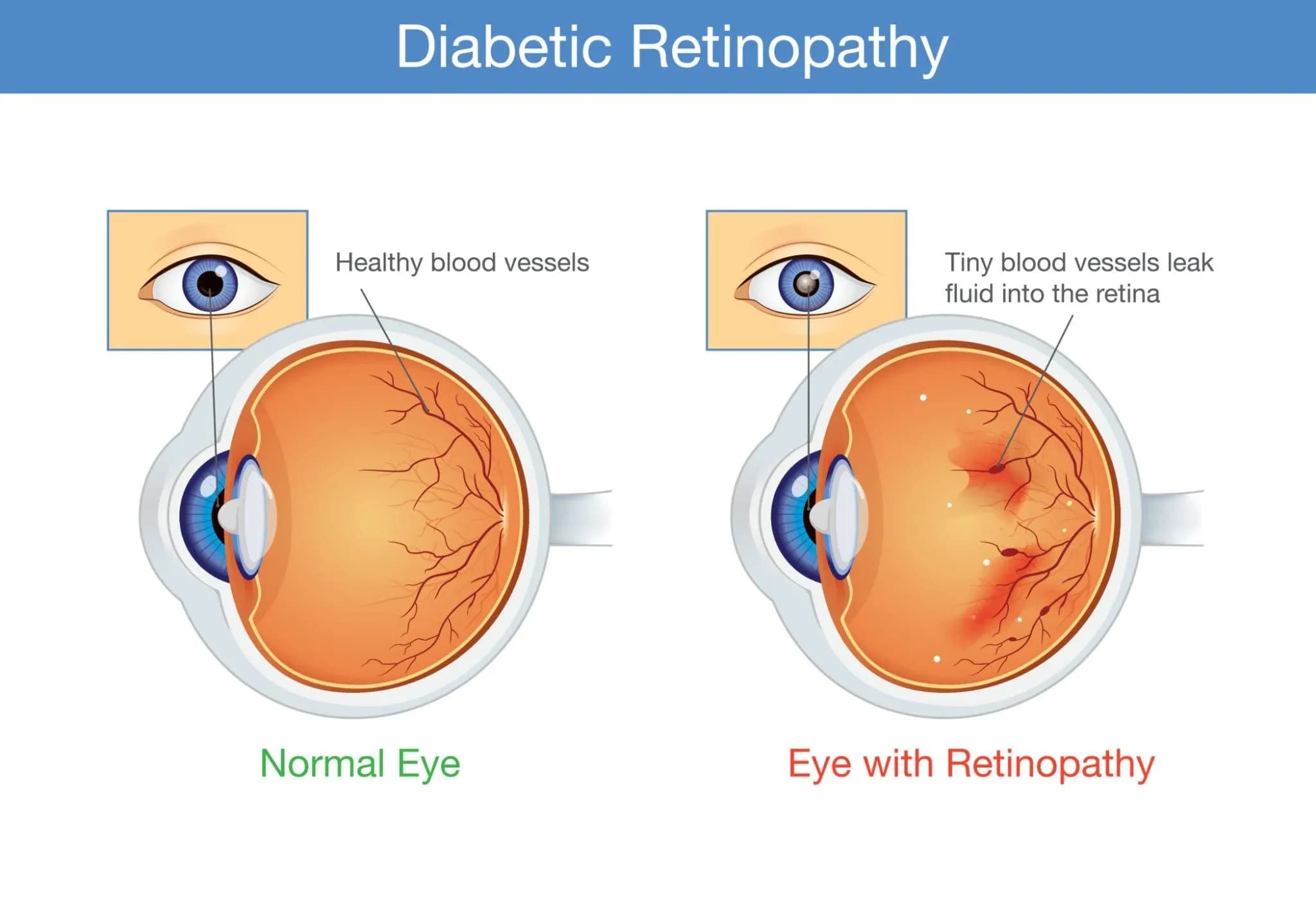
Diabetic retinopathy is an eye condition which affects people with diabetes and may lead to various eye-related problems.
● Diabetic retinopathy can lead to several eye conditions, including vision loss or blindness.
● It affects the retina, the light-sensitive layer at the back of the eye. What are the Symptoms of Diabetic Retinopathy? Diabetic retinopathy often starts without symptoms.
● However, you might notice changes in your vision, like difficulty reading or seeing things far away.
● These changes might be temporary.
● Sometimes, you might also see dark spots or lines resembling spiderwebs in your vision.
● While these can clear up on their own, it's important to see an eye doctor quickly to prevent the condition from worsening.
What Causes Diabetic Retinopathy?
When your blood sugar is too high for a long time, it damages blood vessels throughout your body, including your eyes (specifically the retina).
What are the Potential Complications Due to Diabetic Retinopathy?
If left untreated, diabetic retinopathy can cause several other eye-related complications, such as:
- Diabetic Macular Edema (DME): This affects the retina and makes your vision blurry.
- Neovascular Glaucoma: Abnormal blood vessels block fluid from draining properly, causing a type of glaucoma.
- Retinal Detachment: Scar tissue makes the retina pull away from the back of your eye.
What are the Risk Factors of Diabetic Retinopathy?
Anybody with type 1, type 2, or gestational diabetes can develop diabetic retinopathy. Some people may be at higher risk because of certain factors.
- Long-standing uncontrolled diabetes
- High blood sugar and cholestrol levels
- Smoking & alcohol, etc.
- Other diabetes complications like hypertension, neuropathy, kidney problems, etc.
How to Prevent Diabetic Retinopathy?
If you notice any changes in your eyes or vision, the first step is to see an ophthalmologist for a comprehensive check-up. Make sure to keep up with regular annual check-ups as well.
These exams can catch early signs of retinopathy and help monitor your vision.
To help prevent diabetic retinopathy, below are some steps that you should follow:
1. Lifestyle Changes
Daily exercise and healthy food choices are the MOST IMPORTANT for effectively managing diabetes. You should also follow your doctor's advice on diet and exercise to keep yourself healthy.
2. Manage Your Diabetes Well
Check your blood sugar, HbA1c, and cholestrol levels regularly and by following your doctor's guidance on insulin and diabetes medications, you can achieve your A1C target and also reduce the risk of complications like diabetic retinopathy.
3. Regular Eye Check-ups
Schedule annual comprehensive eye exams to catch any early signs of retinopathy.
4. Quit Smoking
Smoking damages your blood vessels and increases the risk of diabetes problems.
Conclusion:
Diabetic retinopathy is an eye condition caused by diabetes. It often develops without noticeable symptoms, which is why regular eye check-ups are essential. By keeping your blood sugar under control, maintaining a healthy lifestyle, and consulting an eye specialist when needed, you can safeguard your vision and lower the risk of complications. Early diagnosis and timely treatment can help preserve your eyesight for many years.
How PB Health Can Support You?
When someone in your family needs care, you should not have to worry about what happens next or who is responsible for each step.
At PB Health, we believe wellness requires continuity, coordination, and consistent follow-through. Our doctors and care teams work together, supported by technology that helps track progress, organize follow-ups, and keep information clear and accessible. From prevention to recovery, every stage is managed thoughtfully so that nothing important is missed and nothing is left unclear.
To understand more about our approach, you can visit our website, PB Health.