


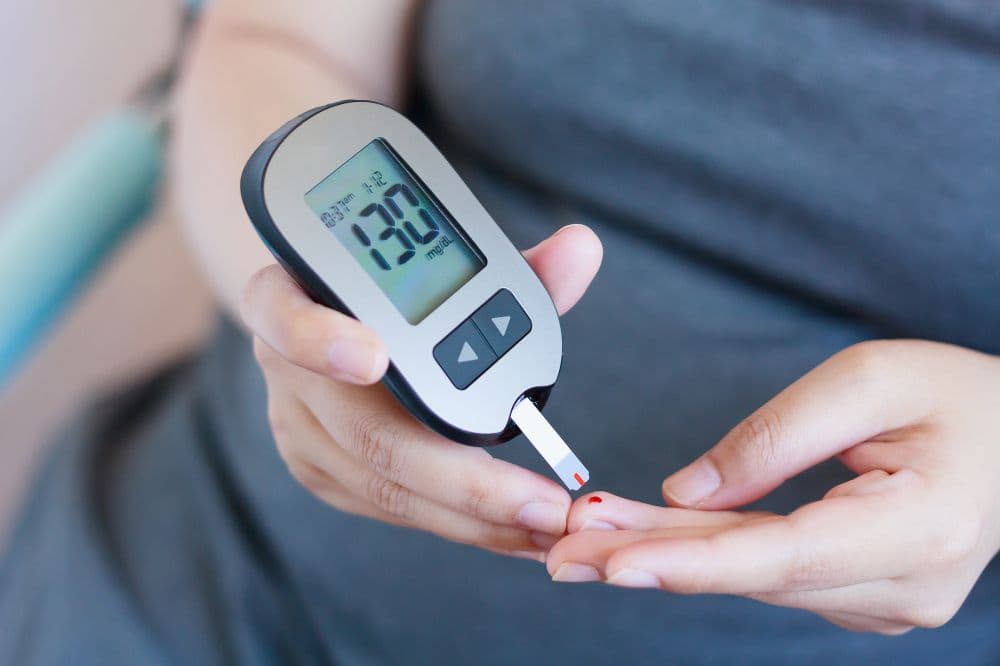
A few years ago, diabetes was mostly seen in grown-ups. But times have changed. Today, even children and teenagers are being diagnosed with type 2 diabetes.
That’s why keeping an eye on your blood sugar isn’t just for people who already have diabetes, but it’s important for anyone who has a family history of diabetes or wants to stay on top of their health. The earlier you know, the better your chances of managing or even preventing diabetes.
Let’s find out the normal and recommended blood sugar levels by age, what those numbers actually mean, and how to spot any red flags early.
For personalised guidance on interpreting your readings and planning ongoing diabetes management in Gurgaon, consult a qualified healthcare professional.
Why Do Blood Glucose Levels Rise in Diabetes?
Before we jump into blood sugar level charts, we must understand why they tend to rise, especially in people with diabetes.
When you eat food, it is digested and converted into glucose (a type of sugar). This glucose is released into your bloodstream, which causes a rise in blood sugar levels after eating.
Now, here’s where insulin comes in, a hormone made by the pancreas. Its job is to move glucose from your blood into your cells, where it’s used for energy. This helps maintain your blood glucose levels.
Now, in diabetes, one of two things goes wrong:
Insulin resistance: When your cells don’t respond to insulin in your body (Common in type 2 diabetes).
Insulin deficiency: Your pancreas doesn’t make enough insulin (Seen in type 1 or juvenile diabetes).
Either way, glucose stays in the bloodstream instead of being used, leading to high blood sugar levels or hyperglycaemia. Over time, uncontrolled high blood sugar can damage your kidneys, eyes, nerves, and heart.
That’s why it’s so important to keep your sugar levels in the recommended range.
What Is a Normal Blood Sugar Level?
According to the American Diabetes Association (ADA), here are the normal blood sugar levels for people who do not have diabetes:
Note: These are general ranges. Your doctor may suggest different targets based on your age, lifestyle, medications, or existing health conditions.
What is the Normal Range of Blood Sugar by Age?
From children and teenagers to adults and senior citizens – those who do not have diabetes, the normal blood sugar levels chart is usually recommended to be between –
How to Diagnose Diabetes in Adults?
The following are the diagnostic criteria for diabetes in adults.
Diagnostic Criteria for Diabetes
To diagnose diabetes in adults, it is advisable to undergo a Glucose Tolerance Test (GTT), which is the gold standard. For this test, you will be asked to consume 75 g of glucose before the test.
What are the Target blood glucose Levels if you Have Diabetes?
If you have diabetes, your target blood glucose levels may vary slightly from those of others with the same condition, depending on your age and underlying health conditions. However, there’s a target blood glucose chart that is used largely:
Blood Sugar Level Chart In Children [6 to 12 years] Age-Wise
Just like in adults, blood sugar levels in children should remain under control. The normal expected range of blood sugar levels in children is (According to Joslin):
Blood sugar levels in children also vary throughout the day and based on their meals. Since blood sugar levels in children of 6 to 12 years rise after meals, they must limit their snacks before bedtime.
To manage this, encourage a balanced diet, limited bedtime snacking, and regular physical activity. Fasting plasma glucose of 126 mg/dL or more is considered diagnostic, and testing is typically repeated every 2 years.
Random Blood Sugar Level Chart
A blood sugar test performed at any time of the day is called a random blood sugar test(reading).
A random blood sugar test is taken at any time of the day, regardless of meals. Here’s how to interpret it:
According to the UK Diabetes Association, here’s what random blood sugar levels should be:
How Can PB Health Support You?
At PB Health Hospital, IFFCO Chowk, Gurgaon, we believe wellness requires continuity, coordination, and consistent follow-through. Our doctors and care teams work together, supported by technology that helps track progress, organise follow-ups, and keep information clear and accessible. From prevention to recovery, every stage is managed thoughtfully so that nothing important is missed and nothing is left unclear.