


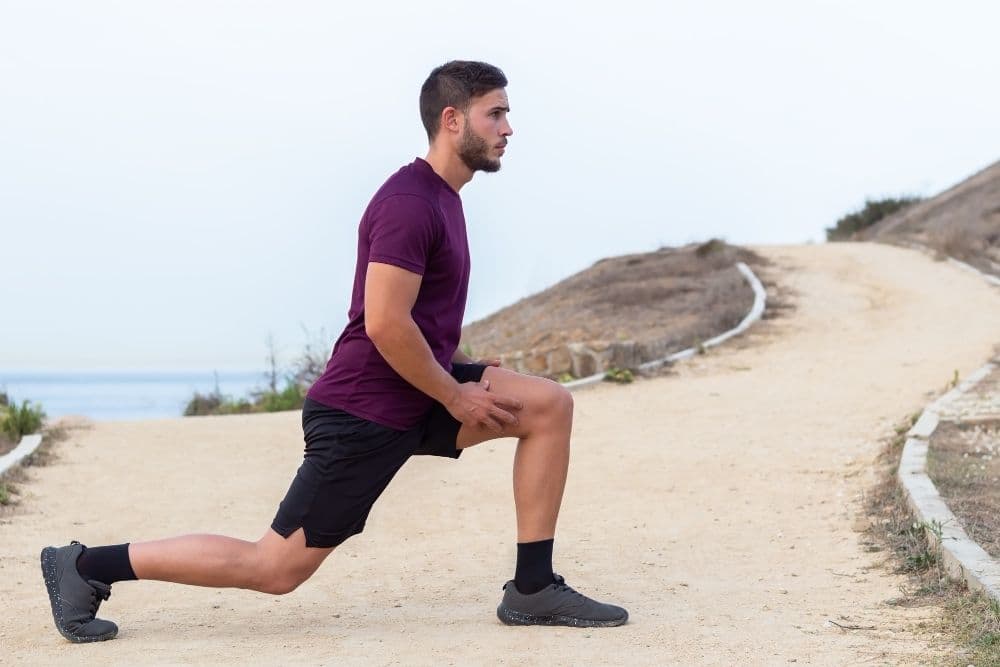


A run that starts with energy but ends with knee pain can quickly turn an enjoyable workout into a frustrating experience. If you notice discomfort around your kneecap while running, climbing stairs or squatting, your body may be signaling a problem that needs attention.
Runner’s knee, also known as patellofemoral pain syndrome (PFPS), causes pain in front of or around the kneecap. It happens due to abnormal contact between the kneecap and the lower end of the thigh bone and may develop because of overuse, injury, structural defects or muscle imbalance which causes us to walk or run in a particular way. It may manifest when training intensity increases too quickly or repeated activities place stress on the knee. It is different from Jumper’s and Joggers knee which affects the patellar tendon insertion or the tendon itself and typically causes pain just below the kneecap.
So, how can you recognise runner’s knee before it interferes with your routine? Let us explore seven warning signs, their possible causes and when to seek medical advice.
Warning Signs Every Runner Should Know
- Pain Around the Kneecap: A dull ache at the front of the knee may appear during a run or after exercise. Recurring discomfort deserves attention, not dismissal as normal training soreness.
- Pain worsens when the knee is bent while bearing weight: Activities like climbing or descending stairs, squatting, kneeling, doing lunges, or cycling.
- Stiffness after rest: Sitting with your knees bent for a long time may lead to discomfort when you stand up or straighten your legs.
- Popping or grinding sounds in the knee after rest: Occasional popping sounds are experienced by everyone. Persistent popping and grinding, also called knee crepitus, may be concerning especially if associated with pain.
- Pain over the kneecap: Pressure over the knee cap may cause pain or discomfort.
- Swelling: The front of the knee may be swollen from tine to time, especially after vigorous activity.
- Difficulty With Everyday Activities: Pain that interferes with walking, standing up or other daily movements warrants medical assessment. Seek urgent care if you cannot bear weight, the knee is severely swollen or deformed, it locks, or it becomes hot and red, particularly with fever.
How Can You Help Prevent Knee Problems While Running?
- Maintain a healthy body weight
- Increase running distance and intensity gradually.
- Include strength training in your routine.
- Warm up before demanding sessions.
- Wear comfortable, suitable running shoes.
- Allow time for recovery.
- Address recurring discomfort early.
What Should You Do If Your Knee Hurts?
- Reduce aggravating activities: Temporarily cut back on distance, speed or hills that trigger symptoms.
- Apply ice if helpful: Use an ice pack wrapped in a towel for up to 20 minutes at a time a few time a day.
- Strengthen gradually: A physiotherapist may recommend exercises for the quadriceps and hip muscles.
- Review your training: Avoid sudden increases in mileage or intensity and allow adequate recovery.
- Return gradually: Resume running as symptoms settle, increasing activity in manageable steps.
Conclusion
Don't ignore recurring knee pain, discomfort on stairs, or symptoms that return with running. Adjust your training, build strength gradually and seek medical advice when pain persists or affects daily activities.
How Can PB Health Support You?
Persistent knee pain can affect your running routine, exercise and everyday activities. At PB Health Hospital, IFFCO Chowk, Gurgaon, our team can help assess your symptoms and identify the possible cause of your discomfort.
Depending on your condition, your care may include an orthopaedic consultation, diagnostic investigations when required, and personalised treatment or rehabilitation guidance. Early evaluation can help you understand your condition and take appropriate steps towards recovery and a safe return to physical activity.