


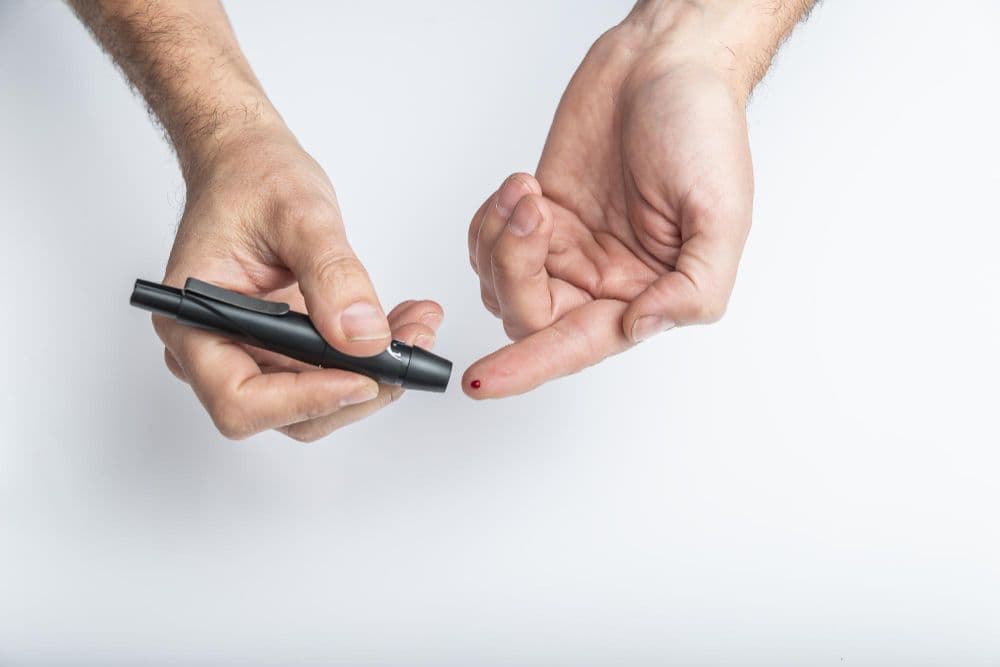
India is often called the “Diabetes Capital of the World.” Sadly, it’s not without reason – over 101 million Indians live with diabetes today, and another 136 million are at risk.
But behind these numbers are everyday stories. Like Ramesh, who discovered his diabetes during a routine office check-up. Meena first found out about it while she was pregnant. Arjun, just 14, was diagnosed after weeks of tiredness and constant thirst. And Sunita thought her blurry vision was eye strain until tests showed otherwise.
Diabetes doesn’t come with one face. It can be silent or loud, gradual or sudden. At its core, it’s a condition where the body can’t use insulin properly, leading to high sugar levels in the blood, something that can harm different organs over time.
So, let’s understand this condition better.
There are two main types of diabetes: Type 1 and Type 2. Let’s break them down.
What is Type 1 Diabetes (T1D)
Nature: It is an autoimmune condition. In Type 1 diabetes, there is an absence of insulin because the body does not produce it. As a result, the immune system not only attacks but also destroys the insulin-producing beta cells in the pancreas.
Result: little or no production of insulin.
Onset: often in childhood or adolescence ( but can occur at any age).
Dependency: Lifelong insulin therapy.
What is Type 2 Diabetes(T2D)
Nature: Type 2 diabetes is a metabolic disorder. The body doesn't respond to insulin as it should, so it is also called insulin resistance. This means glucose cannot get into your body’s cells, causing blood sugar levels to rise.
Onset: Typically in adults over 40, but now also observed in younger individuals, including teenagers, due to lifestyle factors.
Dependency: Managed with lifestyle changes, oral medicines, and sometimes insulin.
Difference between Type 1 Diabetes and Type 2 Diabetes.( Type 1 vs Type 2 Diabetes)
So, Type 1 diabetes is usually genetic and occurs when the body stops producing insulin. Type 2 diabetes develops over time, often due to lifestyle habits, when the body can’t use insulin properly.
How does Diabetes affect the body?
Diabetes is a long-term condition that changes how your body controls blood sugar (glucose). Glucose, being the body’s primary source of energy, powers every cell in the body. However, for glucose to enter your cells, it requires assistance from a hormone called Insulin, which works like a key that unlocks the doors of your cells. Understanding this process can help you better manage your diabetes.
Type 1 Diabetes: The body doesn’t produce any insulin, which is like not having a key to open the door.
Type 2 Diabetes: The body doesn’t use insulin properly, and over time, it may not produce enough insulin.
When glucose cannot enter the cells, it remains in the blood. Over a period of time, high blood sugar levels could harm blood vessels and nerves, which might lead to complications like heart disease, kidney problems, nerve damage, and vision loss.
To understand easily, here is a short visual analogy.
So, think of your body as a city.
Glucose = Fuel trucks bringing energy to every building( your cells)
Insulin = The keys that open the gates so fuel can enter.
Type 1 Diabetes: No keys at all, so the gates stay closed.
Type 2 Diabetes: The keys don’t work well, and over time, there aren’t enough keys.
When the fuel trucks can’t unload, traffic (glucose) jams up in the streets (blood), causing damage all over the city.
What are the symptoms of Type 1 and Type 2 Diabetes?
Type 1 and Type 2 diabetes mostly share similar symptoms. Here are some of the most common signs you may notice with either condition:
- Increased thirst
- Blurred vision
- Frequent urination
- Unexplained weight loss
- Hunger levels vary
- Numbness or tingling sensation in your hands or feet
- Excessive fatigue
- Slow-healing sores, cuts or wounds
- Dry and itchy skin
It is essential to consult your doctor if you experience any of these symptoms.
What are the Risk Factors for Type 1 Diabetes?
Type 1 diabetes happens when the body’s own defence system mistakenly attacks the insulin-making cells in the pancreas. Research is still ongoing, but here are some factors known to play a role:
Family history: Having a parent, sister or brother with type 1 diabetes increases the chances.
Age: It’s more commonly diagnosed in children and young adults, though it can happen at any age.
Infections: Certain viral infections (like enteroviruses) may trigger the immune system to attack the pancreas.
Geography: People living in countries farther from the equator (like Finland or Sweden) have higher rates than those living closer to it.
Other autoimmune conditions: Conditions such as thyroid disease or celiac disease can increase the risk.
💡 Myth-buster
Type 1 diabetes is NOT just caused by “eating too much sugar” or by lifestyle habits. It’s an autoimmune condition, not a result of your diet or lack of exercise.
What are the Risk factors for Type 2 diabetes?
- Prediabetes or slightly high blood sugar levels.
- Being overweight or obese.
- Excess belly fat.
- Little or no physical activity.
- Having a parent or sibling diagnosed with Type 2 diabetes.
- History of gestational diabetes during pregnancy.
- Having PCOS(Polycystic Ovary Syndrome).
What are the complications of diabetes?
Diabetes can cause acute, which is sudden and severe and long-term, which is primarily due to high or prolonged high blood sugar levels.
Acute complications: These are emergencies that need immediate treatment.
Hyperosmolar Hyperglycemic State (HHS): This condition primarily affects people with Type 2 diabetes. Happens when blood sugar stays extremely high( over 600mg/dL) for a longer period, leading to dehydration, confusion, and possible coma.
Diabetic Ketoacidosis(DKA): This complication mainly affects people with Type 1 diabetes or undiagnosed cases. It happens when your body doesn't have enough insulin; it can’t use glucose for energy, so it breaks down fat instead. This process eventually releases substances called ketones, which turn your blood acidic. Signs include laboured breathing, vomiting and loss of consciousness. DKA requires immediate medical treatment.
Severe Low Blood Sugar: It is also known as hypoglycemia. Mainly affects people on insulin; very low blood sugar can cause blurred vision or double vision, disorientation, clumsiness and seizures. It requires treatment with emergency glucagon and/or medical intervention.
Long-term complications: Caused by ongoing high blood sugar, which damages blood vessels and nerves.
- Heart and blood vessel problems, like a heart attack, stroke, coronary artery disease, and Atherosclerosis( hardening of arteries)
- Nerve damage( neuropathy): Numbness, tingling or pain in hands and feet.
- Eye damage(retinoapthy): Can cause vision loss or blindness.
- Kidney damage(nephropathy): Can result in Kidney failure, dialysis or transplant.
- Skin issues: Frequent infections
- Foot problems: Poor healing, infections, ulcers, and possible amputations.
- Gastroparesis: Slow stomach emptying causes nausea and bloating.
- Hearing loss
- Gum disease( periodontitis): Swollen, red or bleeding gums. Bad breath, loose teeth and pain when chewing.
Mental Health Impact
Living with diabetes can increase the risk of anxiety and depression. People with diabetes are more likely to experience depression compared to those without diabetes.
Management and Treatment of Diabetes:
Type 1 Diabetes Management
It is a lifelong condition which requires consistent care. This includes:
Lifestyle modifications:
Eat better: Add protein-rich foods like dal, chickpeas, and paneer, and also include plenty of fibre from vegetables such as okra (ladies’ finger) and leafy green vegetables (spinach, methi). Choose whole grains like brown rice or millet instead of white rice, and make rotis from whole wheat.
Stay active: Going for daily walks, practising yoga, or even doing household chores can help keep you moving.
Manage stress and sleep: Practice meditation or deep breathing exercises to lower stress. Keep a regular sleep routine.
Maintain a healthy weight: If necessary, lose a small amount of weight to help your body use insulin more effectively. Limit fried foods and sweets.
Check your sugar levels regularly: Use a glucometer to monitor your blood sugar and understand how food and activity affect it.
Monitoring:
Blood Sugar Checks: Use a glucose meter or continuous glucose monitor (CGM) as recommended by your doctor.
HbA1C Test: The HbA1c test measures your average blood sugar over 2 -3 months. The general goal for most people is under 7%.
Insulin Therapy:
Everyone with type 1 and type 2 diabetes needs insulin to control their blood sugar levels. There are different types, such as rapid-acting, long-acting, and premixed, and your doctor will suggest the best option for you.
Type 2 Diabetes Management:
Type 2 diabetes can be managed with:
- Lifestyle changes and a healthy diet.
- Oral medicines prescribed by your doctor
- Insulin therapy in case of requirement.
Can Diabetes Be Prevented?
Diabetes is often seen more as a result of lifestyle choices than a disease. It is necessary not to let it cause too much fear or worry; stress can make diabetes worse, so managing your lifestyle is key.
Type 2 diabetes can be prevented and delayed with healthy lifestyle habits like maintaining a healthy weight, eating a well-balanced diet, and regular exercise. However, type 1 diabetes cannot be prevented as it’s mainly due to genetic and unknown factors, but you can manage it well with lifestyle modifications, proper diet and medication.
How Can PB Health Support You?
At PB Health Hospital, IFFCO Chowk, Gurgaon, we believe wellness requires continuity, coordination, and consistent follow-through. Our doctors and care teams work together, supported by technology that helps track progress, organise follow-ups, and keep information clear and accessible. From prevention to recovery, every stage is managed thoughtfully so that nothing important is missed and nothing is left unclear.