


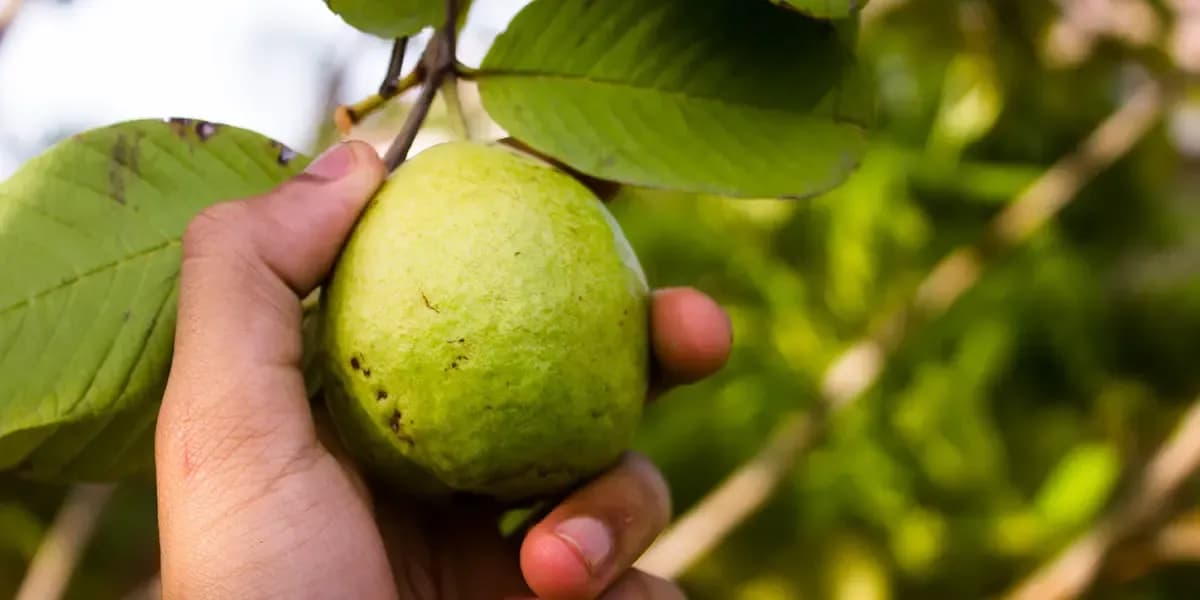
Many of you must have stolen guavas from your neighbourhood aunty’s guava tree at least once in your childhood! Those juicy bites tasted even better because of the thrill, didn’t they? 😄
We all love amrud chaat (spiced guava slices), don’t we? That tangy mix of guava, salt, and chilli powder is a taste many of us grew up with. Whether it’s called amrud in Hindi or peru in the South, guava is a fruit that feels like home.
When it comes to health, guava fruit is good for diabetes due to its excellent nutritional profile. You may be surprised to learn about the benefits of guava for diabetes and how this fruit can improve blood sugar management.
So, let’s find out – is guava good for diabetes? But first, let’s see what types of guavas you can find in your local markets.
What Are the Types of Guavas?
Guavas may look similar on the outside with their oval shape and green or yellowish skin (when overripe), but they differ significantly when you cut them open. The two most common types are:
- White Flesh Guava: Called “Amrud” in Hindi, this guava has a creamy white inside. It tastes mildly sweet and is commonly found in many parts of India.
- Pink Flesh Guava: Known as “Lal amrud“, this one has a pink or reddish inside. It is sweeter and juicier than the white guava; it has slightly more natural sugars and antioxidants than white flesh guava.
Both types are full of fibre, vitamins, and minerals. The white guava has less sugar, so it’s good for people to keep a close eye on their blood sugar. The pink guava is sweeter and has more antioxidants, which are great for your health.
What is the Nutritional Value of Guava?
Both types of guava are packed with nutrients, making them a healthy choice for everyone. While white flesh guava has fewer calories and sugar, pink guava offers more natural sweetness and antioxidants.
As per Indian Food Composition Tables (IFCT – 2017), 100 grams of guava contains:
| Nutrient | Nutritional Value (Per 100 g) | |
|---|---|---|
| White Flesh | Pink Flesh | |
| Energy | 32 kcal | 47 kcal |
| Carbohydrate | 5 g | 9 gm |
| Protein | 1 g | 1.19 gm |
| Total Fat | 0 g | 0 g |
| Calcium | 19 mg | 14 mg |
| Phosphorus (P) | 24 mg | 30 mg |
| Total Fiber | 9 g | 7 g |
| Potassium | 283 mg | 270 mg |
| Natural Sugar | 4 g | 8 g |
Understanding the connection between guava and diabetes, it’s clear that incorporating the right type of guava into your diet can provide multiple health benefits while supporting better blood sugar control.
What is the Glycemic Index (GI) of Guava?
The Glycemic Index (GI) is a system that measures how quickly foods with carbohydrates raise blood sugar levels. It’s categorized into low (1-55), medium (56-69), and high (70 and above). Monitoring GI helps manage blood sugar effectively.
Guava has a GI of approximately 12, making it a low-GI food. This means guavas are safe for people with diabetes as they cause minimal impact on blood sugar levels, making them a healthy addition to your diet.
Is Guava Good for Diabetes?
Guava is a healthy tropical fruit that can be added to breakfast, salads and even desserts. Although guava is filled with vitamins, minerals and antioxidants, some people think it will hurt the blood sugar level of people with diabetes.
Due to its being rich in fibre, the fruit keeps you fuller for a longer time, which can help in maintaining good health. The fruit is also pivotal in lowering blood sugar levels, especially in people with type-2 diabetes.
What are the Health Benefits of Guava for Diabetes?
Guava is a healthy fruit that can be a great addition to the diet for people with diabetes. Here’s how it helps:
1. High in Fibre
Guava is packed with fibre, which helps slow down the absorption of sugar. This can prevent sudden spikes in blood sugar and keep your digestion smooth.
2. Rich in Vitamin C
Guava is loaded with Vitamin C, which helps strengthen your immune system. It also protects your body from damage caused by stress – something people with diabetes often face.
3. Supports Weight Management
Guava is low in calories but keeps you full for longer. This makes it an excellent snack if you’re watching your weight, which is key for managing diabetes.
Some Other Health Benefits of Guava in Diabetes
1. Heart-Friendly
Guava is good for your heart. It contains potassium and antioxidants that help manage blood pressure and keep your heart healthy. This is especially important because diabetes increases the risk of heart problems.
2. Aids Digestion
The fibre in guava helps prevent constipation and keeps your gut healthy, ensuring your body absorbs nutrients properly.
Does Guava Raise Blood Sugar?
No, guava does not significantly raise blood sugar levels when eaten in moderation. As mentioned earlier, it has a low glycemic index (GI) and glycemic load (GL), meaning it is absorbed slowly by the body and does not cause sudden spikes in blood sugar. This makes it a safe option for people with diabetes.
4 Ways to Consume Guava in Diabetes
There are many delicious ways to enjoy guava while managing diabetes. Here are a few ideas that satisfy your taste buds and keep it diabetes-friendly:
1. Eat it Raw
Guava is safe to eat raw and whole. Simply wash it, slice it, and enjoy its natural sweetness and crunch!
2. Guava ki Sabzi
A popular Gujarati-style dish, also called perunu shak, where guava is cooked with spices to create a unique sweet and tangy curry.
3. Amrood ki Chutney
Blend guava with green chillies, coriander, mint, and squeeze some lemon juice to make a flavorful chutney that pairs well with snacks or meals.
4. Peru cha Raita / Peru chi Koshimbir
Add finely chopped guava to yogurt/dahi along with some spices for a refreshing raita or salad. This dish not only tastes great but also keeps your meals light and balanced.
What Happens if You Eat Guava Daily?
Eating guava daily can provide consistent benefits like improved digestion, better blood sugar control, and enhanced immunity. However, portion control is key.
How Many Guava Can a Person with Diabetes Eat?
For people with diabetes, 1 medium-sized guava per day is a good portion. It provides essential nutrients without overloading sugar or calories.
What Is the Best Time to Eat Guava?
It’s best to have guavas, or any fruit for that matter, as a mid-morning or afternoon snack. Avoid combining it with your lunch or dinner, and also avoid eating it in the evening or late at night because its high fibre content may take longer to digest, potentially causing bloating or discomfort.
Does Guava Lead to Adverse Effects?
Guava is generally safe and well-tolerated by most people. However, consuming it in excess or under certain conditions can lead to mild adverse effects:
- High Fibre Content: Eating too much guava may cause bloating, gas, or an upset stomach, especially for those with sensitive digestive systems. It’s best to consume it in moderation if you are not used to high-fibre foods.
- Cold and Congestion: Guava, especially when eaten raw or chilled, may aggravate a cold or throat irritation in some people prone to such issues.
- Allergic Reactions: Though rare, some individuals might be allergic to guava. Symptoms like itching, rashes, or swelling should be taken seriously, and medical advice should be sought immediately.
To enjoy the health benefits of guava without any discomfort, always eat it in moderation and observe how your body responds.
Conclusion
Yes, guava is a diabetes-friendly fruit. Its low glycemic index, high fibre, and rich nutrients help keep blood sugar steady without sudden spikes. Prefer the less-sweet white flesh or slightly under-ripe ones, stick to one medium guava a day, and enjoy it as a mid-morning or afternoon snack. Eaten in moderation, guava can be a tasty and smart addition to a balanced diet for diabetes management.
How Can PB Health Support You?
When someone in your family needs care, you should not have to worry about what happens next or who is responsible for each step.
At PB Health Hospital, IFFCO Chowk, Gurgaon, we believe wellness requires continuity, coordination, and consistent follow-through. Our doctors and care teams work together, supported by technology that helps track progress, organise follow-ups, and keep information clear and accessible. From prevention to recovery, every stage is managed thoughtfully so that nothing important is missed and nothing is left unclear.
To understand more about our approach, you can visit our website, PB Health.