


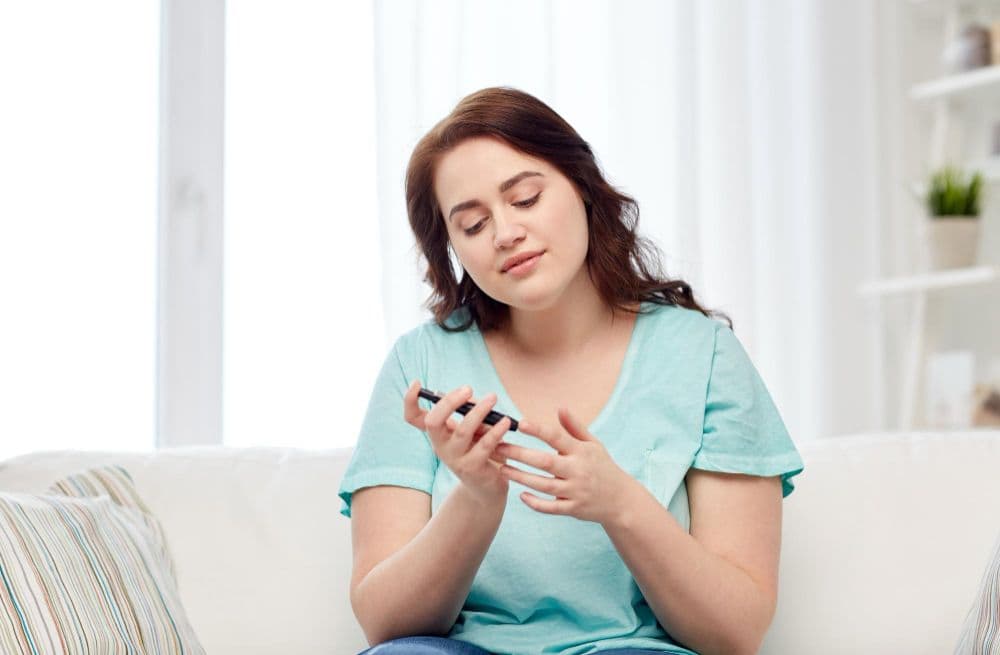
What is a Glucometer?
Self-monitoring blood sugar levels is an important part of diabetes management. Glucometers are the most widely used devices for home monitoring of blood sugar levels.
This self-monitoring device requires a small blood sample (from a pinprick), unlike laboratory tests, which require a larger blood sample.
There will always be some difference between a laboratory test result and a glucometer reading due to the difference in the blood sample collected and laboratory tests being performed in more controlled conditions.
Capillary blood glucose level (collected in a glucometer reading) is often higher than a venous blood glucose level (measured in a lab test).
Glucometers are available at a wide range of prices, ease of use, compact nature and length of testing time. Some glucometers have additional features for people who have vision problems.
How Does a Glucometer Work?
Today’s most widely used glucometers use test strips containing an enzyme called glucose oxidase. This enzyme reacts with glucose in the blood drop and the electrode interface inside the glucometer.
When the strip with the blood drop is inserted into the glucometer, a chemical reaction with glucose generates an electrical signal, which gives you a blood sugar reading on the glucometer. Based on the strength of the electrical signal, glucose levels appear digitally.
Why Should One Use a Glucometer?
Glucometers are helpful for blood sugar monitoring in the following scenarios:
- To check if blood sugar levels are under control
- To assess the pattern of rise or fall in blood glucose levels
- Understand how certain foods and exercising affect blood glucose levels
- Monitor the effect of diabetic medications
- Evaluate and assess your diabetes treatment goals
- Enable dose adjustment of insulin and diabetic medication
Glucometers are preferred for the following features:
- They are convenient
- Cost-effective
- Easy-to-use
It is important to remember that glucometer readings should not be used to diagnose diabetes. When in doubt, the glucometer readings must always be cross-checked with laboratory blood sugar and HbA1c tests.
Things to Consider While Buying a Glucometer
When looking for a glucometer, it’s like picking a helpful buddy for managing your diabetes. You want one that’s easy to use, fits your budget, and remembers your blood sugar readings. Here’s a simple breakdown:
Accuracy
Look for clinically validated devices.
Ease of Use
Simple interfaces, easy-to-handle strips, and clear displays.
Cost
Consider the price of the device and ongoing costs of strips and lancets.
Features
Data storage, connectivity with apps, or alert systems.
Insurance and Warranty
Check coverage and warranty for the device.
Remember, while glucometers are super helpful, to self monitor your blood sugar level. Talk to your doctor to find the best one for you and understand its limits.
Best Available Glucometer Brands in India
Every glucometer has its own set of features and benefits, so it’s important to choose one that fits your lifestyle, budget, and specific health needs. Here are a few best available glucometers in India:
Accu-Chek Instant Glucometer
This is widely used due to its quick results, Bluetooth connectivity, and ease of use. It’s priced reasonably and can store many readings.
Accu-Chek Guide
Known for its spill-resistant vial and Bluetooth connection that logs readings directly into an app. It’s praised for its accuracy and convenience.
OneTouch Verio Flex
This compact glucometer uses ColorSure technology to indicate when readings are out of range and syncs with a mobile app via Bluetooth. It’s known for its portability and accuracy.
One Touch Select Plus
Meeting international accuracy standards, this device offers quick results, a simple interface, and high accuracy.
Dr Morepen GlucoOne
This is a travel-friendly option known for its affordability and accuracy. It comes with a generous number of test strips.
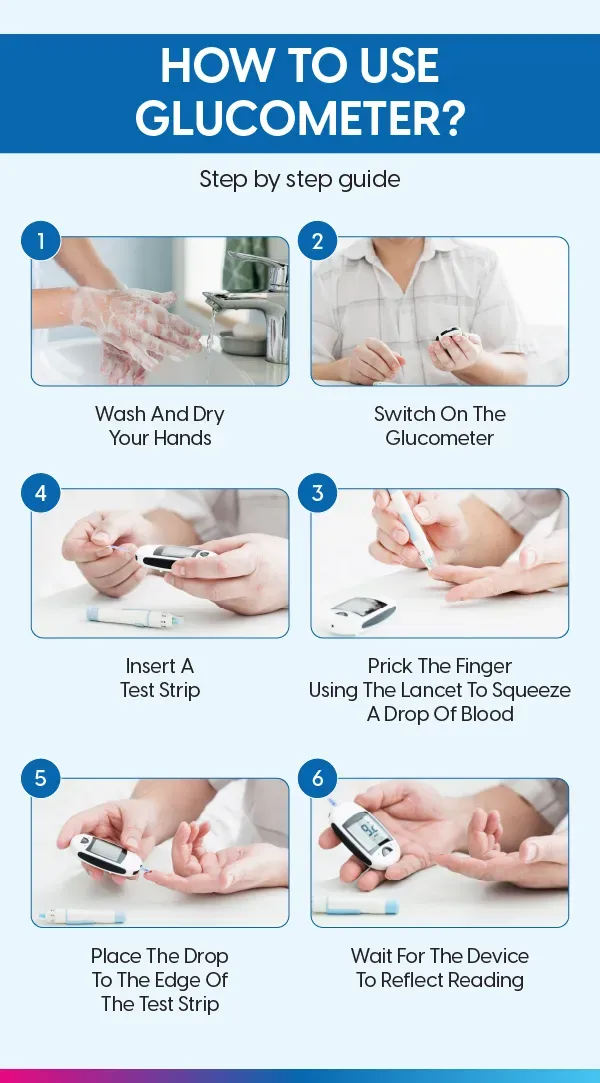
How to Use a Glucometer? A Step-by-Step Guide
Using the glucometer is simple, and following the instructions can help in the accurate measurement of blood glucose levels in an individual.
1. Gather Your Supplies
Before you start, ensure you have all the necessary supplies: the glucometer, test strips, lancet device, lancets, alcohol wipes, and a logbook or digital tracking tool.
2. Wash Your Hands
Begin with clean, dry hands. Proper hand hygiene is essential to ensure accurate results.
3. Powering On the Glucometer
Turn on the glucometer following the manufacturer’s instructions. Most devices have a simple on/off button.
4. Inserting a Test Strip
Insert a compatible test strip into the meter as directed by the manufacturer. The correct orientation and start-up sequence vary by device.
When the glucometer indicates it is ready for use, follow the steps to collect the blood sample.
5. Preparing the Lancet Device
Load a new, sterile, single-use lancet into the lancing device and select the appropriate depth, following the manufacturer’s instructions. Keep the device away from the skin until it is ready for use.
6. Pricking Your Finger
Place the lancet against the finger pad of your ring finger (the prick is usually given on the side of the finger pad).
When you are ready, hit the trigger.
7. Collecting a Blood Sample
Remove the lancing device from the finger and allow a drop of blood to form.
Touch the edge of the compatible test strip to the blood drop as instructed by the meter manufacturer. Allow the strip to draw in the required amount of blood; do not smear blood or add more after the meter begins measuring unless the device instructions specifically permit it.
8. Waiting for Results
Within a few seconds, the glucometer will display your blood sugar level. Depending on your device’s type, it will store the same in a mobile app, or you may have to note the reading down manually.
Post-Testing Steps
After testing, apply gentle pressure with clean cotton or gauze if needed. Remove the used lancet safely and discard it immediately in an appropriate sharps container. Do not reuse or share lancets or lancing devices. Dispose of the used strip according to local guidance.
If the glucometer shows an error in the reading, you must replace the strip and redo the test.
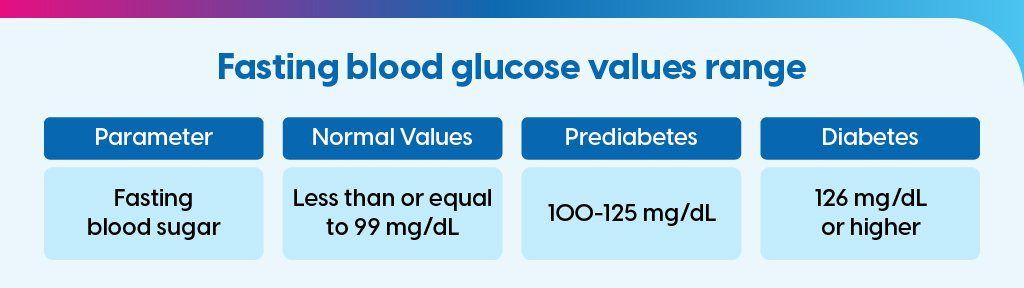
Blood Sugar Levels
Fasting Blood Glucose varies range
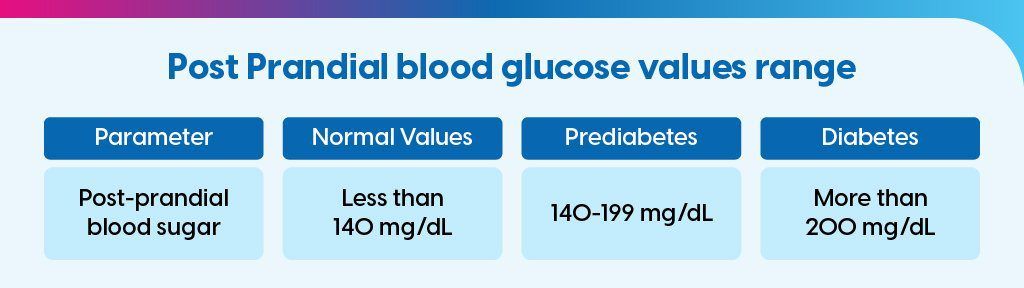
Post-Prandial Blood Glucose varies range
When to Check Your Blood Sugar Level?
Checking your blood sugar levels at the right times is key to managing your health effectively. Here are the best times to check:
Fasting Blood Sugar:
In the morning before breakfast.
Postprandial Blood Sugar:
1 to 2 hours after meals.
Before Meals:
To make informed dietary choices.
Before Bedtime:
To ensure levels are stable through the night.
Before and After Exercise:
To understand how physical activity affects glucose levels.
Randomised test:
If you have any symptoms, you should check your blood sugar levels.
How to Avoid Incorrect Readings?
To avoid incorrect blood sugar readings from your glucometer, it’s important to follow these steps:
Clean and Prepare Properly:
Wash hands with soap and water to remove any contaminants that might affect the reading.
Check Expiration Dates:
Ensure test strips and lancets are not expired.
Proper Storage:
To maintain accuracy, store test strips and equipment according to manufacturer guidelines.
Calibration:
Regularly calibrate your glucometer if required.
Use Fresh Blood Samples:
Apply a fresh blood sample and avoid smearing or excessive application.
Avoid Damaged Strips:
Never use damaged or bent test strips.
Follow Instructions:
Use the glucometer and strips as directed in the user manual.
Tips to monitor blood sugar levels for Kids
Monitoring blood sugar levels for kids involves a bit more care and attention. Here’s a tip to help parents manage this task:
Parental Education & Teaching:
Teach your child with step-by-step guidance and make them learn how to use a glucometer. As they mature, encourage referring to the instruction manual for independence.
Emotional Support:
Provide reassurance and comfort during tests and encourage them as they progress.
Incorporate into Routine:
Make blood sugar testing a regular part of the child’s routine.
Educate:
Parental education: Teach children about the importance of monitoring and how to read results.
Be Supportive:
Provide emotional support, especially if they are fearful or anxious about testing.
Check Frequently:
Children’s blood sugar can be unpredictable; check frequently and adjust as needed.
Involve Healthcare Providers:
Regularly consult diabetes healthcare professionals for personalised advice and adjustments.
Gradual Independence:
As they learn, encourage them to take on more responsibility for their diabetes management, supervising their technique and understanding.
By incorporating these strategies and tools, you can enhance the accuracy of blood sugar readings and manage diabetes more effectively, especially in children who require special consideration for their developmental stage and lifestyle.
Continuous Glucose Monitors (CGM): An Alternative of Glucometer and Its Benefits
CGMs provide real-time, dynamic glucose information by measuring glucose in interstitial fluid. Key benefits include:
Real-Time Feedback:
CGMs provide continuous readings, revealing trends and patterns in glucose levels.
Alerts:
Many CGMs alert users when glucose levels are too high or low.
Reduced Fingersticks:
CGMs can reduce or eliminate the need for regular fingersticks.
Data Sharing:
Some CGMs allow data sharing with healthcare providers for better management.
Improved Glycemic Control:
By understanding fluctuations, users can adjust food intake, physical activity, and medication.
How Can PB Health Support You?
When someone in your family needs care, you should not have to worry about what happens next or who is responsible for each step.
At PB Health Hospital, IFFCO Chowk, Gurgaon, we believe wellness requires continuity, coordination, and consistent follow-through. Our doctors and care teams work together, supported by technology that helps track progress, organise follow-ups, and keep information clear and accessible. From prevention to recovery, every stage is managed thoughtfully so that nothing important is missed and nothing is left unclear.
For personalised diabetes management in Gurgaon, PB Health can help patients understand glucometer readings, review blood sugar trends and discuss suitable monitoring plans with their care team.
To understand more about our approach, you can visit our website, PB Health.