


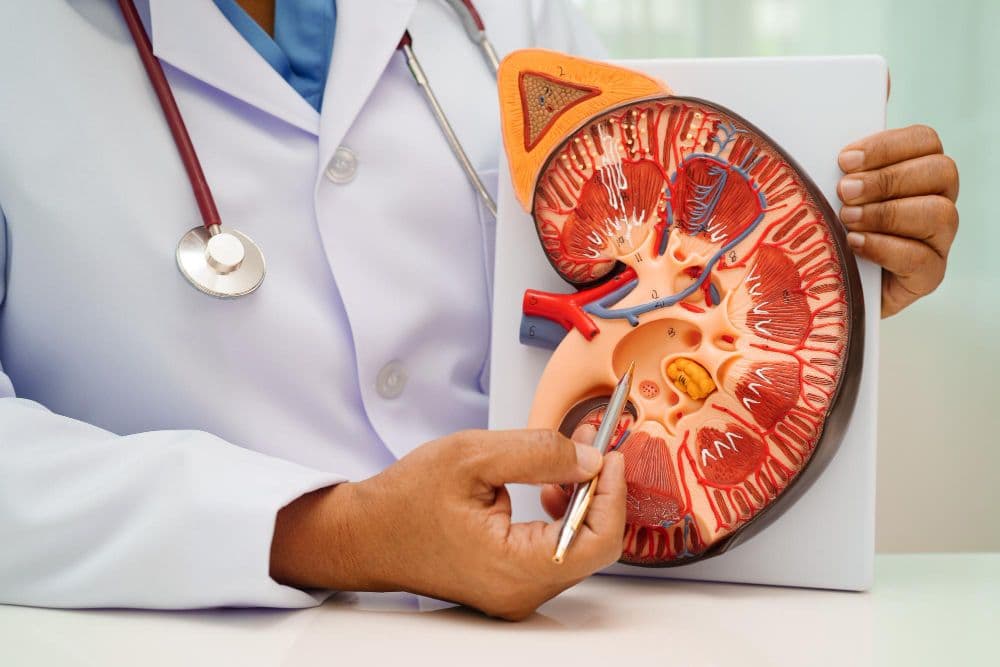


Most of us rarely think about our kidneys, even though they work every day to filter blood, remove waste, balance fluids and regulate blood pressure.
The concern is that kidney disease can develop silently, often without noticeable symptoms in its early stages. Recognising possible warning signs and seeking timely medical advice can help detect kidney problems early and prevent further complications.
What Is Kidney Disease?
Your kidneys are two fist-sized organs located below the rib cage. They filter waste from the blood, remove excess fluid, maintain mineral balance and support blood pressure regulation. When the kidneys become damaged and lose their ability to function properly, it is called kidney disease.
Chronic kidney disease (CKD) is a common form in which kidney function gradually declines. Other conditions include polycystic kidney disease, an inherited disorder that causes fluid-filled cysts, and kidney stones, which can affect kidney function if they recur or block urine flow.
Early Signs of Kidney Disease You Shouldn't Ignore
Kidney disease doesn't always cause obvious symptoms early on. However, certain changes in your body may indicate a problem.
1. Persistent Tiredness: Feeling exhausted even after adequate rest may be linked to waste build-up in the blood or anaemia associated with kidney disease.
2. Swelling in the Feet and Ankles: When kidneys cannot remove excess fluid properly, it may collect in the feet, ankles, legs or around the eyes.
3. Changes in Urination: Frequent urination at night, reduced urine output, foamy urine or blood in the urine may indicate an underlying kidney or urinary problem.
4. Dry and Itchy Skin: An imbalance of minerals in the blood due to reduced kidney function can cause persistent dryness and itching, particularly in advanced disease.
5. Loss of Appetite: Waste build-up can cause nausea, a metallic taste in the mouth and reduced interest in food.
6. Frequent Muscle Cramps: Changes in mineral and electrolyte levels may contribute to recurring muscle cramps, particularly at night.
7. Difficulty Controlling Blood Pressure: High blood pressure can damage the kidneys, while kidney disease can make blood pressure harder to manage.
8. Shortness of Breath: Advanced kidney disease may cause fluid build-up or anaemia, both of which can contribute to breathlessness.
Who Is More Likely to Develop Kidney Disease?
Although kidney disease can affect anyone, certain factors increase the risk.
You may be at higher risk if you:
- Have diabetes or high blood pressure.
- Are overweight or obese.
- Have heart disease.
- Smoke regularly.
- Have a family history of kidney disease.
- Are above 60 years of age.
- Experience recurrent urinary tract infections.
- Frequently use certain painkillers without medical advice.
Common Kidney Conditions
Kidney problems can develop gradually or occur suddenly. Some of the common conditions include:
1. Chronic Kidney Disease (CKD): Chronic kidney disease occurs when the kidneys gradually lose their ability to filter waste from the blood. Diabetes and high blood pressure are two leading causes. Early stages often have no noticeable symptoms, making regular blood and urine tests important.
2. Polycystic Kidney Disease: Polycystic kidney disease is an inherited condition in which fluid-filled cysts develop and grow inside the kidneys. Symptoms may include back or side pain, high blood pressure, blood in the urine and recurrent urinary infections.
3. Kidney Stones: Kidney stones are hard deposits of minerals and salts that form inside the kidneys. Smaller stones may pass naturally, while larger ones can block urine flow.
Common symptoms include:
- Severe pain in the back or sides.
- Pain or burning while urinating.
- Blood in the urine.
- Nausea and vomiting.
- Frequent urge to urinate.
Although kidney stones are different from chronic kidney disease, repeated stones and untreated blockages can sometimes damage kidney function.
When Should You See a Doctor?
Kidney disease may not cause obvious symptoms in its early stages, so you don't always need to wait for symptoms before getting checked. It's a good idea to speak with a healthcare professional if you notice:
- Swelling in your feet, ankles, hands, or around your eyes that doesn't improve.
- Blood in your urine, even if it happens only once or does not cause pain.
- Changes in how often you urinate or what your urine looks like.
- Ongoing tiredness that isn't explained by lack of sleep or a busy schedule.
- High blood pressure that remains difficult to control.
- Severe pain in your back or side, especially with fever, vomiting or blood in the urine.
Conclusion
Kidney disease can develop gradually without obvious symptoms. Persistent tiredness, swelling, changes in urination and difficult-to-control blood pressure can sometimes be linked to kidney problems, although these symptoms can have many other causes.
Conditions such as chronic kidney disease, polycystic kidney disease and kidney stones require different types of care. If you have symptoms or risk factors such as diabetes or high blood pressure, speak with a healthcare professional about whether you need kidney function tests.
How PB Health Can Support You
If you are concerned about your kidney health or notice changes that worry you, PB Health can help you understand what to do next. Our healthcare professionals can assess your concerns, recommend appropriate tests when needed and connect you with nephrology specialist.
If you have conditions such as diabetes or high blood pressure, regular monitoring and timely medical advice can also help you stay on top of your kidney health.