


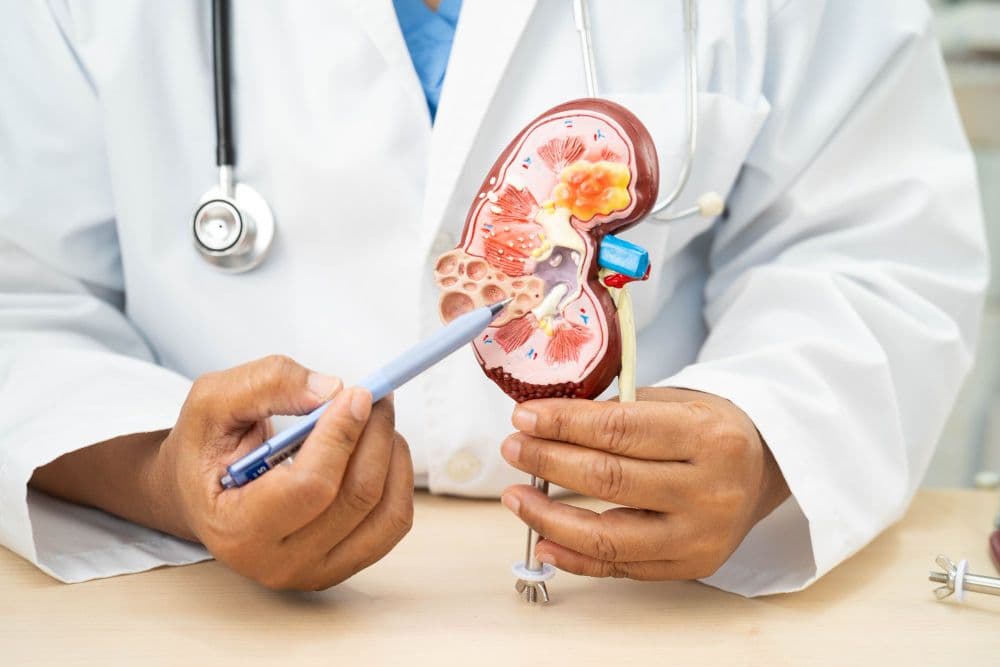


Your kidneys work around the clock to filter waste from your blood, remove excess fluid and maintain essential mineral balance. But when kidney function gradually declines, the changes may go unnoticed for years.
This is why chronic kidney disease (CKD) often goes undetected in its early stages. The good news is that early diagnosis, regular monitoring and the right treatment can help slow its progression and protect kidney function. Let's understand the stages of CKD and the steps you can take to manage it.
What Is Chronic Kidney Disease?
Chronic kidney disease (CKD) is a condition in which kidney damage or reduced kidney function persists for at least three months. Diabetes and high blood pressure are the leading causes of CKD. Other causes include kidney inflammation, inherited conditions and urinary tract problems.
What Are the Stages of Chronic Kidney Disease?
CKD is classified based on its cause, estimated glomerular filtration rate (eGFR) and urine albumin levels. The eGFR blood test estimates how effectively your kidneys filter waste from the blood.
CKD stages based on eGFR
| Stage | eGFR (mL/min/1.73 m²) | Kidney function |
|---|---|---|
| G1 | 90 or above | Normal or high |
| G2 | 60–89 | Mildly decreased |
| G3a | 45–59 | Mild to moderate decrease |
| G3b | 30–44 | Moderate to severe decrease |
| G4 | 15–29 | Severely decreased |
| G5 | Below 15 | Kidney failure |
Important Note: G1 and G2 indicate CKD only when other signs of kidney damage are present for at least three months. Doctors also check the urine albumin-to-creatinine ratio (uACR) to assess kidney damage and the risk of progression.
Can Chronic Kidney Disease Be Slowed?
Although CKD cannot always be reversed, the right treatment and lifestyle changes can help slow its progression.
1. Control Your Blood Pressure: High blood pressure can damage kidney blood vessels, while kidney disease can make blood pressure harder to manage. Monitor your readings regularly, take prescribed medicines and follow your doctor's advice.
2. Manage Blood Sugar Levels: If you have diabetes, keeping blood sugar within your recommended range can help prevent further kidney damage. Regular monitoring, medication and a balanced diet are important.
3. Be Careful With Medicines: Certain painkillers, particularly non-steroidal anti-inflammatory drugs (NSAIDs), can affect kidney function when used frequently. Always consult your doctor before taking over-the-counter medicines or supplements.
4. Follow a Kidney-Friendly Diet:
Your dietary needs depend on your kidney function and blood-test results. Your doctor or dietitian may recommend adjusting:
- Salt intake
- Protein consumption
- Potassium levels
- Phosphorus intake
- Fluid consumption
Avoid unnecessary food restrictions, as not everyone with CKD needs the same diet.
5. Stay Physically Active: Regular activities such as walking, cycling or swimming can support heart health, blood pressure control and healthy weight management. Choose an exercise routine suited to your health and kidney function.
6. Avoid Smoking: Smoking damages blood vessels and increases the risk of heart disease. Quitting smoking can support better cardiovascular and overall kidney health.
What tests are used to monitor CKD?
Regular monitoring helps your doctor understand whether kidney function is stable or changing. Common tests include:
- Serum creatinine: A blood test used to calculate eGFR.
- eGFR: Estimates how well the kidneys are filtering blood.
- Urine albumin-to-creatinine ratio: Checks for albumin leaking into the urine.
- Blood pressure: Important because high blood pressure can both cause and worsen kidney disease.
- Other blood tests: Depending on the stage, doctors may monitor potassium, haemoglobin, bicarbonate and other markers.
Are there symptoms to watch for?
One of the challenges with CKD is that early kidney disease may cause few or no obvious symptoms. As kidney function becomes more severely reduced, some people may experience:
- Swelling around the feet or ankles
- Changes in urination
- Foamy urine
- Persistent tiredness
- Nausea or reduced appetite
- Muscle cramps
- Itching
- Shortness of breath
Can chronic kidney disease be reversed?
Whether kidney damage can improve depends on its cause. Some causes of kidney dysfunction can improve when you treat the underlying condition. However, established CKD is usually a long-term condition and may not be fully reversible. The goal is to preserve the remaining kidney function and slow further decline. That is why early detection, identifying the cause, and regular follow-ups matter.
Conclusion
Chronic kidney disease does not progress at the same speed in everyone. Early diagnosis, regular monitoring and the right treatment can help protect the kidney function you still have. Keeping blood pressure and blood sugar under control, taking medicines correctly, following an appropriate eating plan, staying active and avoiding smoking can all support kidney health.
If you have been diagnosed with CKD, knowing your stage is only one part of the picture. Your doctor will also consider the cause of your kidney disease, eGFR, urine albumin levels and other health conditions when planning your care.
How can PB Health support you?
Managing a long-term kidney condition can feel complicated. PB Health can help you understand your kidney health, make sense of your test results and prepare questions for your healthcare team, so you can stay more informed about your care.