


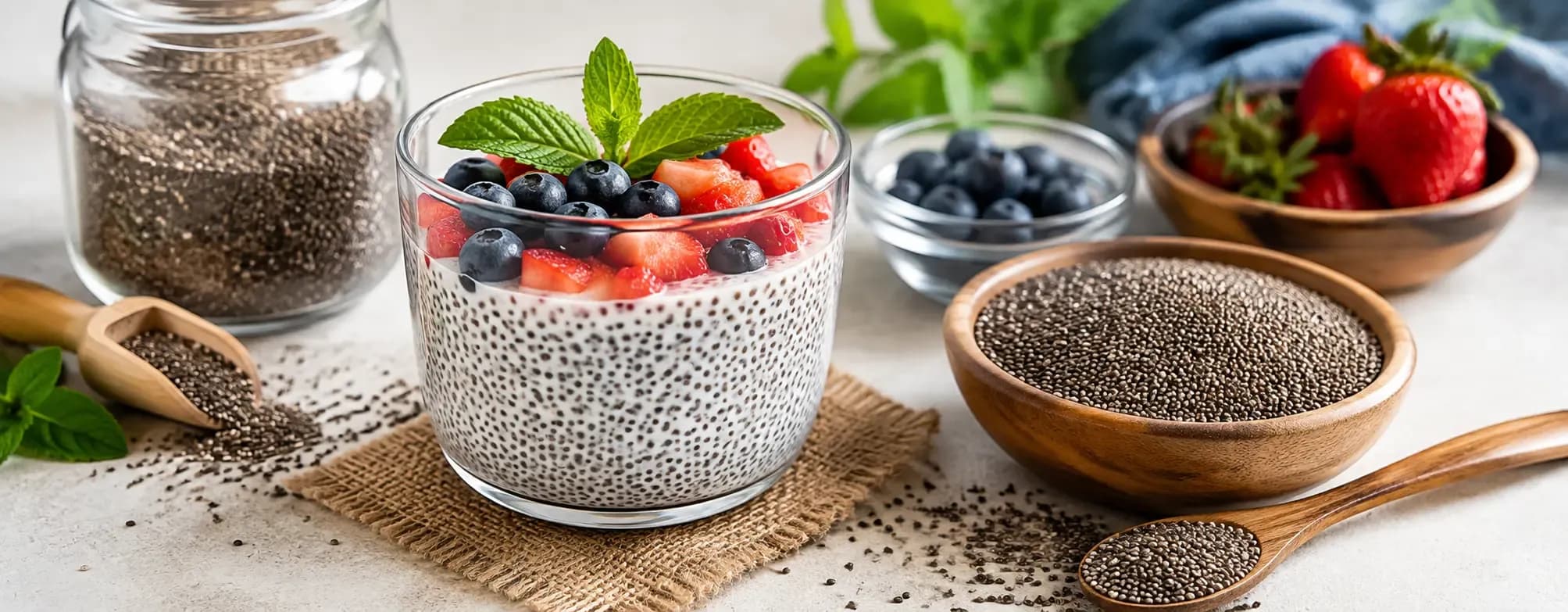
Everybody these days is talking about these tiny seeds and is calling them a superfood. It’s the chia seeds. And yes, they are indeed tiny superfoods packed with big health benefits! Whether it’s for better digestion, heart health, weight loss, or glowing skin, these little seeds have gained popularity for all the right reasons.
So, let us understand what chia seeds can do for your health and how to use them effectively!
What are the Types of Chia Seeds?
The two most commonly available types of chia seeds are black and white. Both offer similar nutritional benefits and can be used in a variety of ways.
- Black Chia Seeds: The most common variety, dark in colour with tiny white or greyish spots.
- White Chia Seeds: A lighter-colored variety with an off-white appearance and a slightly milder taste.
| Break the confusion! Chia seeds and basil seeds are different. Basil seeds are known as sabja/tukmaria/tulasi vittai/ginjalu in some Indian languages and are used in falooda, not chia seeds. |
What are the key nutrients in chia seeds?
Chia seeds are often called a superfood because they are packed with essential nutrients and are low in calories. Here’s a breakdown of their nutritional profile per 100 grams, based on the Indian Food Composition Tables (IFCT), 2017:
| Nutrient | Nutritional Value* (per 100 gm) |
|---|---|
| Energy | 486 kcal |
| Carbohydrate | 42 gm |
| Protein | 17 gm |
| Total Fat | 31 gm |
| Total Fiber | 34 gm |
| Water | 6 gm |
14 Potential Health Benefits of Chia Seeds
Chia seeds are a nutrient-rich superfood that may support heart health, digestion, brain function, skin and hair health, weight management, and overall well-being. Their versatility and ease of use make them an excellent addition to daily meals.
Here are some of the potential health benefits of chia seeds:
1. Cardiovascular Health
- May help lower cholesterol by reducing triglycerides and increasing HDL ("good" cholesterol).
- Supports healthy blood pressure levels due to its fibre, omega-3s, and essential minerals.
- Contains anti-inflammatory properties that may help protect blood vessels and improve circulation.
- It may reduce the risk of heart disease by improving overall heart function.
2. Diabetes Management
- It helps keep blood sugar steady by slowing the rate of carb digestion.
- It may also improve how the body responds to insulin and support better sugar balance.
- The high fibre content can help prevent sudden spikes in blood sugar after meals.
3. Digestive Health
- Rich in fibre, which supports gut health, prevents constipation, and promotes regular bowel movements.
- Acts as a prebiotic, helping nourish good gut bacteria for improved digestion.
4. Weight Management
- They are rich in fibre, which helps you stay full for longer and may control hunger.
- They also support healthy digestion and metabolism, which can help with managing weight.
- They contain protein too, which helps maintain muscle and supports healthy fat loss.
5. Bone and Muscle Health
- They have calcium, magnesium, and phosphorus that help keep your bones strong and healthy.
- They also provide plant-based protein that supports muscle repair and growth.
- Regularly including them in your diet may help maintain good bone density and lower the risk of weak bones as you age.
6. Brain and Nervous System Support
- Omega-3 fatty acids may enhance cognitive function, memory, and focus.
- Contains anti-inflammatory properties that may help reduce brain inflammation and support neurological health.
- B vitamins and antioxidants may contribute to a healthy nervous system.
7. Skin and Hair Health
- Antioxidants may help protect the skin from premature ageing and oxidative stress.
- Omega-3s may help maintain skin hydration and elasticity and reduce inflammation.
- Contains essential nutrients that may support hair strength and reduce hair fall.
8. Anti-Inflammatory & Antioxidant Benefits
- Loaded with polyphenols (caffeic acid, quercetin, chlorogenic acid) that may help fight oxidative stress.
- May help reduce inflammation throughout the body, benefiting conditions such as arthritis and autoimmune disorders.
- It may protect cells from damage and slow down the ageing process.
9. Cancer Prevention
- Omega-3 fatty acids and polyphenols may help reduce inflammation linked to cancer growth.
- Antioxidants help protect your cells from damage caused by free radicals, which may lower the risk of certain cancers.
- Some studies say that chia seeds may help reduce the risk of breast, colorectal, liver, and pancreatic cancers.
10. Liver and Metabolic Health
- It may help reduce the build-up of fat in the liver, thereby lowering the risk of fatty liver disease.
- Omega-3 fatty acids and fibre may also support metabolism and help the liver function better overall.
11. Energy and Endurance Boost
- Provides long-lasting energy due to a balanced mix of protein, fibre, and healthy fats.
- Absorbs water and forms a gel-like texture, which may help with sustained hydration when consumed with adequate fluids.
- Known for its endurance benefits, making it popular among athletes for hydration and prolonged performance.
- Helps regulate electrolyte balance, supporting muscle function and energy levels.
12. Pregnancy Health
- Omega-3 fatty acids may support the baby’s brain and eye development.
- The high fibre content may aid digestion and help prevent constipation.
- Chia seeds also provide important minerals, such as calcium, magnesium, and phosphorus, which help keep bones strong.
- They may also help maintain steady energy levels and support overall health during pregnancy.
13. Sleep Health
- Contains tryptophan, which may help boost serotonin and melatonin for better sleep.
- Magnesium may help relax muscles and calm the nervous system.
- Fibre and protein may help maintain stable blood sugar levels, reducing nighttime wake-ups.
14. Immune System Support
- Full of vitamins, minerals, and antioxidants that may help support a strong immune system.
- May support the body's immune system in fighting infections and diseases.
How Much Chia Seeds Should You Eat a Day?
The recommended daily intake of chia seeds is about 3 teaspoons (~15 grams). This amount provides enough fibre, omega-3s, and nutrients without causing digestive issues.
If you're new to chia seeds, start with a smaller amount and increase gradually to allow your body to adjust. Also, drink plenty of water, as chia seeds absorb liquid and expand.
Conclusion:
Chia seeds are small but packed with nutrients that may support overall health. Adding a small amount to your daily diet can help with digestion, heart health, energy, and weight management. When eaten in the right quantity as part of a balanced diet, chia seeds can be a simple and healthy addition to your meals.
How PB Health Can Support You
When someone in your family needs care, you should not have to worry about what happens next or who is responsible for each step.
At PB Health, we believe wellness requires continuity, coordination, and consistent follow-through. Our doctors and care teams work together, supported by technology that helps track progress, organise follow-ups, and keep information clear and accessible. From prevention to recovery, every stage is managed thoughtfully so that nothing important is missed and nothing is left unclear.
To learn more about our approach, visit our website, PB Health.