


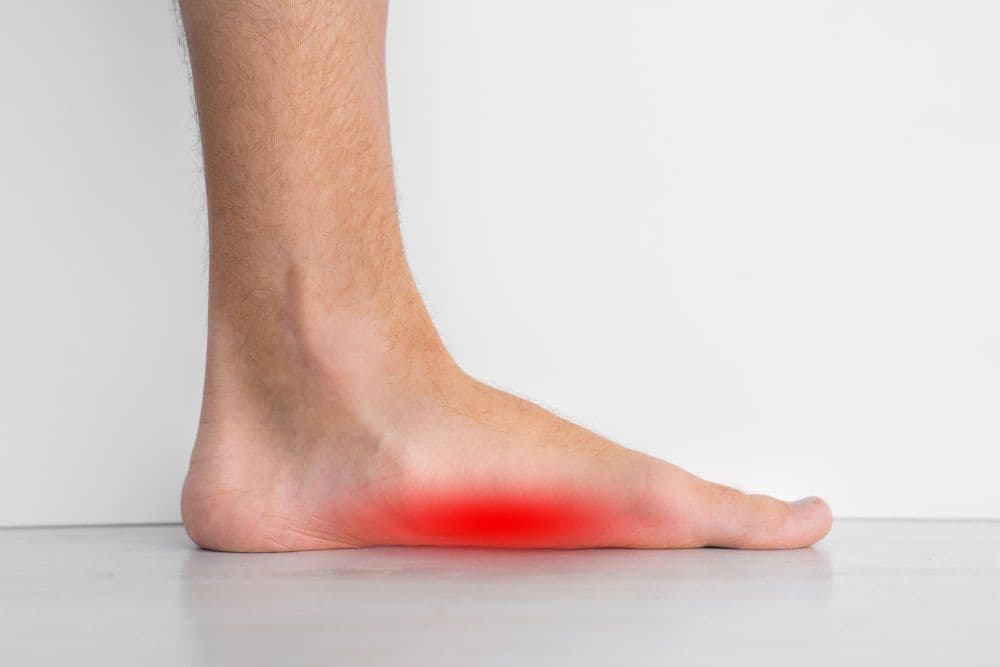


A burning sensation in your feet can feel like walking on hot sand, even when your skin looks completely normal. It may occur after a long day of standing, wearing tight footwear or spending hours on your feet. However, if the burning continues, especially at night, it could indicate an underlying health problem.
Burning feet can be linked to nerve damage, diabetes, vitamin deficiencies, infections or circulation problems. Understanding the possible causes can help you recognise when the discomfort needs medical attention.
What Causes a Burning Sensation in Feet?
Causes can range from temporary irritation to conditions that affect the nerves, skin, or blood supply.
1. Peripheral Neuropathy: Peripheral neuropathy occurs when nerves outside the brain and spinal cord become damaged. It can cause burning, tingling, numbness or a pins-and-needles sensation in the feet. Common causes include diabetes, excessive alcohol consumption, certain medications and nutritional deficiencies.
2. Diabetes: High blood sugar levels over time can damage nerves, leading to diabetic peripheral neuropathy. People may experience burning feet, particularly at night, along with numbness or reduced sensation. Because nerve damage can make foot injuries harder to notice, people with diabetes should check their feet regularly.
3. Vitamin B12 Deficiency: Vitamin B12 supports healthy nerve function and red blood cell production. A deficiency can affect the nervous system and cause tingling, numbness and a burning sensation in the feet.
4. Fungal Infections: Fungal infections such as athlete's foot can cause itching, burning, redness, peeling and cracked skin, particularly between the toes. An itchy foot accompanied by scaling or peeling may indicate a fungal infection rather than a nerve-related problem.
5. Footwear and Prolonged Standing: Tight shoes, poor-fitting footwear and prolonged standing can put pressure on the feet and cause temporary discomfort, irritation or a burning feeling. If symptoms improve after changing footwear and resting, pressure or friction may be contributing to the problem.
6. Poor Circulation: Reduced blood flow to the feet can cause discomfort, changes in skin temperature, numbness and pain. People with peripheral artery disease may experience symptoms while walking or exercising. A burning sensation accompanied by cold feet, colour changes or non-healing wounds needs medical evaluation.
Burning Feet at Night: Why Does It Happen?
Some people notice that their feet burn more at night, making it difficult to sleep. Possible reasons include:
- Peripheral neuropathy, particularly due to diabetes.
- Vitamin B12 deficiency.
- Nerve compression.
- Certain medication-related side effects.
- Increased awareness of discomfort at rest.
When Is a Burning Sensation in Feet Serious?
Occasional discomfort after standing for several hours may improve with rest. However, persistent or worsening symptoms need medical attention.
Consult a doctor if you experience:
- Burning or tingling that continues for several days.
- Numbness or reduced sensation in your feet.
- Pain that interferes with sleep or daily activities.
- Repeated episodes of burning without an obvious cause.
- Changes in skin colour or temperature.
- Foot sores that heal slowly.
How Is the Cause of Burning Feet Diagnosed?
A doctor will assess your symptoms, medical history and foot condition to identify the underlying cause. Depending on the findings, investigations may include:
- Blood sugar tests: To check for diabetes or uncontrolled blood glucose.
- Vitamin B12 tests: To identify nutritional deficiencies.
- Nerve examination: To assess sensation, reflexes and muscle strength.
- Nerve conduction studies: To evaluate how well electrical signals travel through the nerves.
- Vascular assessment: To check blood flow when circulation problems are suspected.
Not everyone needs all these tests. Investigations depend on the symptoms and clinical examination.
Burning Feet Treatment: What Helps?
Treatment depends on the underlying cause, not the burning sensation alone.
| Underlying cause | Possible treatment approach |
|---|---|
| Diabetic neuropathy | Blood sugar management and prescribed nerve-pain medication |
| Vitamin B12 deficiency | Vitamin B12 supplementation when deficiency is confirmed |
| Fungal infection | Antifungal creams or medication |
| Nerve compression | Footwear changes, physical therapy or other targeted treatment |
| Poor circulation | Treatment of the underlying vascular condition |
Avoid taking vitamin supplements or nerve-pain medication without medical advice. Treating the actual cause is important for lasting relief.
How Can You Prevent Burning Feet?
A few everyday habits can help protect your foot health:
- Wear comfortable, well-fitting shoes.
- Keep your feet clean and dry, especially between the toes.
- Avoid standing for long periods without breaks.
- Check your feet regularly for cuts, blisters and swelling.
- Maintain healthy blood sugar levels if you have diabetes.
- Follow a balanced diet containing essential vitamins.
- Avoid walking barefoot in public showers and changing areas.
If you have diabetes, make regular foot examinations part of your healthcare routine.
How Can PB Health Support You?
At PB Health Hospital, IFFCO Chowk, Gurgaon, specialists can evaluate persistent foot discomfort, identify possible nerve-related or metabolic causes and recommend appropriate investigations and treatment.
If you experience recurring burning, tingling or numbness, consult a neurologist in gurgaon rather than relying only on home remedies.
Conclusion
A burning sensation in your feet may result from something as simple as footwear irritation or may indicate an underlying condition such as diabetes, neuropathy or vitamin deficiency. Pay attention to how frequently it occurs, whether it worsens at night and whether other symptoms accompany it.
Identifying the cause early can help prevent complications and support better foot health.