


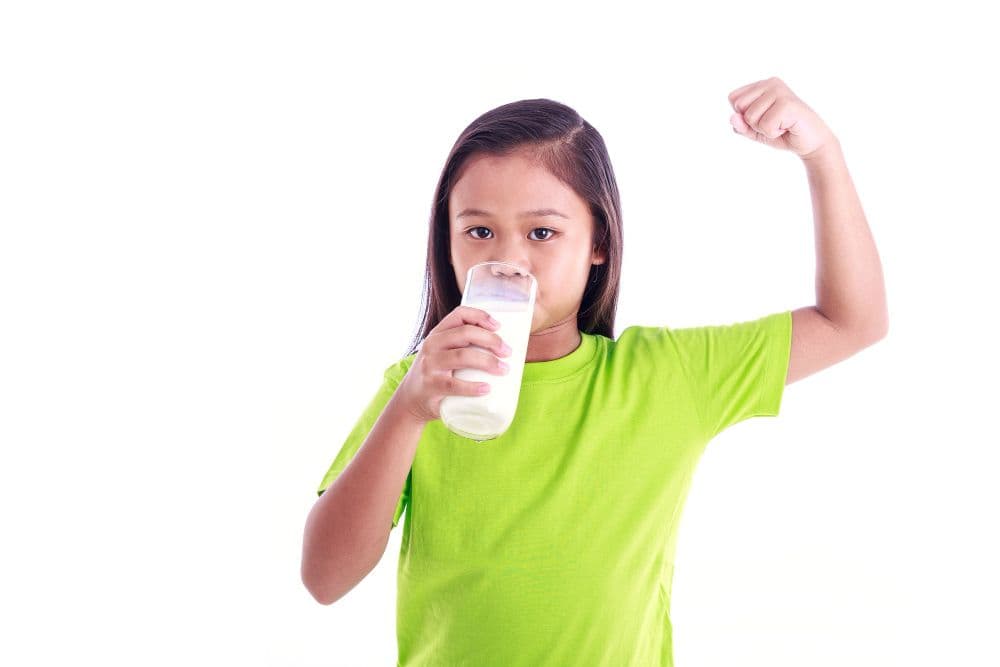
A prime concern in every parent’s mind is whether their child is getting all the nutrients in the required amounts- CALCIUM being a top priority. Calcium is one such nutrient which children can’t simply afford to skip at any age.
Why do we actually worry so much about calcium? Scroll down to find answers to your queries and to know all about calcium.
Why is Calcium a must-have in every child’s diet?
- Calcium is a super nutrient for stronger bones and teeth.
- It assists vital metabolic processes such as muscle contractions, nerve stimulation, blood clotting, activates enzymes that convert food into energy and helps to maintain normal heart rhythm.
- Calcium, being a mineral, cannot be produced by the human body and has to be procured from food, and because children's bones keep building and developing all the time, they need a consistent calcium supply to support this healthy growth.
- Calcium is critical, especially during the growing years of childhood, as it’s believed that the bone mass attained in childhood and adolescence is an important determinant of lifelong skeletal health.
How do children meet their required calcium?
Knowledge of dietary calcium sources is a first step towards increasing the intake of calcium-rich foods. To make things easier, here are some top food sources of calcium for kids that you can choose for your little one.
- A real dose of calcium comes from milk in any form (Cow, buffalo, skimmed milk, paneer, whole milk powder, khoa and cheese). In fact, curd is richer in calcium than milk. If your kid is fussy about having milk, he will definitely love relishing curd, paneer and cheese, so make sure you include them as a part of his daily meal.
- Multiple servings of dairy are not the only way to meet daily recommended amounts. Ragi Millet (nachni), amaranth seeds (rajgeera) and quinoa are other natural sources of calcium which could be included in your child’s diet.
- Opt for calcium-rich green leafy vegetables like amaranth, drumstick leaves, and fenugreek. Yes, most children dislike the idea of green leaves on their plate, but who says you can’t add them to recipes like cutlets, parathas or mask them within a stuffed filling for a burger 😉
- Your kids can get calcium from root veggies (tapioca) and nuts and oilseeds, mainly sesame seeds (til). Calcium-rich soybean recipes also work quite well with children.
- Seafoods like Bombay duck (bombil)-fresh or dry form- crab, and dry shrimps are calcium-packed, another reason for non-vegetarians to rejoice and add them to their child’s diet!!!
Calcium eaten versus Calcium absorbed: The hidden truth!!
Possessing knowledge about eating the right amount of nutrients should always be accompanied by a better understanding of how much of that nutrient is actually being utilised in the body. Let’s learn some basic factors which affect calcium absorption from food.
- Vitamin D (obtained from sunlight and found in small amounts in fish and egg yolk) promotes calcium absorption.
- Oxalates in spinach and beet greens and phytates present in outer husks of cereal grains bind to some of the calcium in foods to form an insoluble complex with calcium, making it unavailable to the body.
- Good hydration levels and perfect digestive health with low pH (acidity) also enhance calcium absorption.
- In individuals with fat malabsorption, calcium absorption is decreased because of the formation of calcium- fatty acid soaps.
That gives us a hint to make wise food combinations and understand our body situations to maximise calcium absorption!
Tips for maximising your child’s calcium intake:
- Use milk instead of water while preparing soups, gravies, breakfast cereals or while kneading chapati dough.
- Use skimmed or whole milk powder to maximise the amount of calcium by adding it to parathas, theplas or even curries.
- Curd can be added to fruit salads or even mixed with smoothies.
- Soya flour, til, and rajgeera flour can enhance the calcium value when added to chapatti dough. Til or rajgeera ladoos can be eaten.
- Innovative recipes (upma, cheela, pulao, etc.) made of rajgeera / amaranth/quinoa could also be included to create variety and boost calcium intake.
Thus, the best way to meet your child’s calcium requirement is to expose them to a variety of food items, where they are offered plenty of calcium-rich foods as well as foods balanced in other nutrients, also keeping in mind the factors affecting absorption of calcium.
Conclusion
Calcium plays an important role in children's growth and development. It supports strong bones and teeth and is essential for muscle function, nerve signalling and normal heart rhythm. Children can get calcium from dairy products, millets, seeds, nuts, green leafy vegetables, soybeans, and seafood. Vitamin D also helps the body absorb calcium. Offering a variety of calcium-rich foods and including them in everyday meals can help children meet their nutritional needs.
For guidance on your child’s calcium intake and nutritional needs, consult a nutritionist in Gurgaon.
How Can PB Health Support You?
When someone in your family needs care, you should not have to worry about what happens next or who is responsible for each step.
At PB Health Hospital, IFFCO Chowk, Gurgaon, we believe wellness requires continuity, coordination, and consistent follow-through. Our doctors and care teams work together, supported by technology that helps track progress, organise follow-ups, and keep information clear and accessible. From prevention to recovery, every stage is managed thoughtfully so that nothing important is missed and nothing is left unclear.
To understand more about our approach, you can visit our website, PB Health.