


Your bones may not give you any warning when they start losing strength. There is no sudden moment when you feel your bone density dropping. The same is true of muscle loss.
Research suggests muscle mass can decline by about 3% to 8% per decade from about age 30, although the rate varies by individual.
Bone mass also peaks in early adulthood, generally by the third decade, although the exact timing differs between people and skeletal sites.
That makes the years after 30 an important time to pay attention to movement, nutrition and other factors that influence bone and muscle health.
Over the years, reduced strength, poorer balance and weaker bones can contribute to falls, fractures and difficulty doing everyday activities.
Why bone and muscle health are closely connected
Bones and muscles are often discussed separately, but they work as a team.
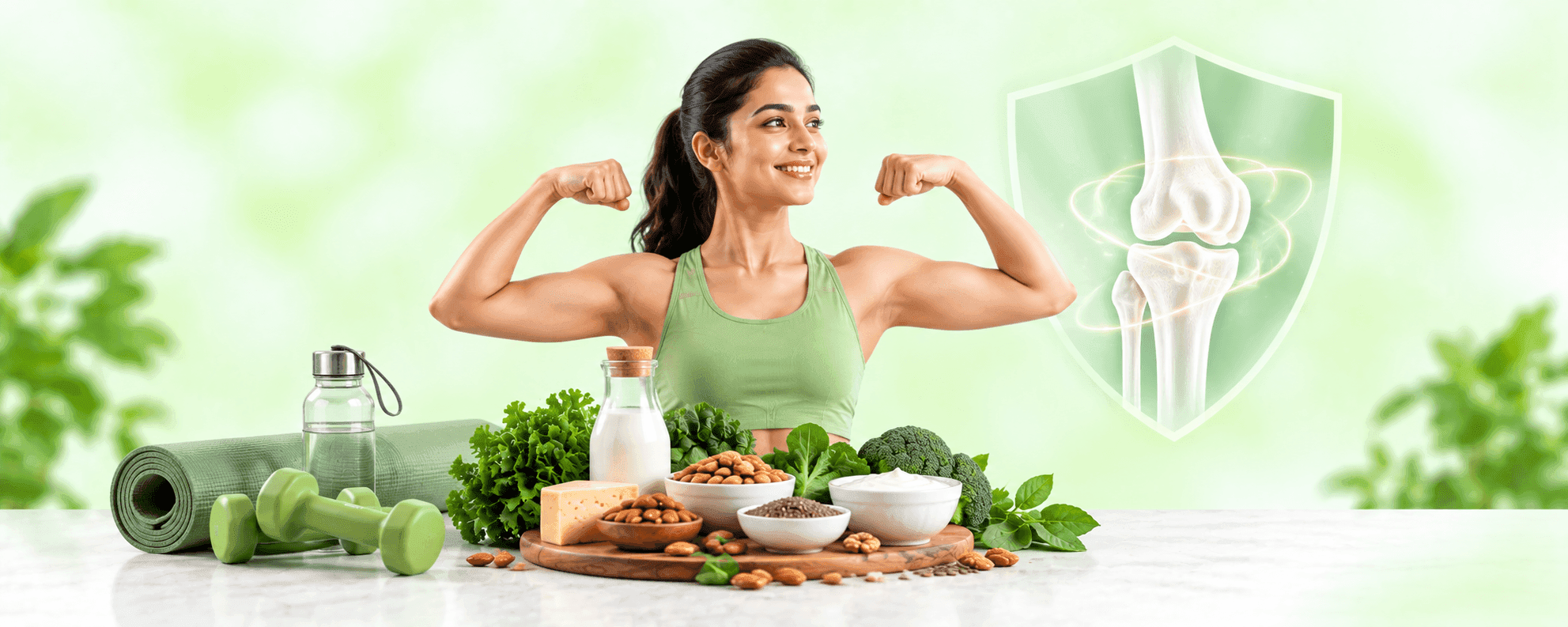
When your muscles contract and you move your body, they place mechanical stress on your bones. Regular physical activity helps maintain both muscle and bone strength. Strong muscles also support balance and movement, which can help reduce the risk of falls and fractures.
Activities such as:
- Weight training
- Resistance-band exercises
- Squats and other bodyweight exercises
- Climbing stairs
- Brisk walking
- Dancing
- Certain sports
can help maintain physical strength. Weight-bearing and resistance exercises are particularly useful for bone health, while balance exercises become increasingly important as we age.
Why muscle loss matters
Age-related muscle loss, known as sarcopenia, involves changes in muscle mass, strength and physical function. It can make activities such as climbing stairs, getting up from a chair or carrying groceries more difficult.
Muscle strength may decline faster than muscle mass, which is why being physically active is important even if your body weight has not changed significantly.
Bone health after 30: what changes?
Reaching your thirties does not mean your bones suddenly become weak.
Bone is continuously being broken down and rebuilt throughout life. Earlier in life, bone formation generally keeps pace with or exceeds bone loss. With ageing, this balance can gradually shift.
Your peak bone mass provides an important foundation for later life. Genetics play a major role, but nutrition and physical activity also influence bone development and maintenance.
This is why osteoporosis prevention should not begin only after a fracture.
Best foods for bone health
Food cannot prevent every case of osteoporosis, but a balanced diet can provide nutrients needed for healthy bones and muscles.
Calcium-rich foods: Calcium is an essential mineral for maintaining bone structure. If dietary calcium intake is inadequate over time, the body can draw calcium from bones.
Useful sources include:
- Milk, curd and yoghurt
- Paneer and other dairy products
- Ragi
- Green leafy vegetables
- Tofu
- Small fish eaten with their bones
- Calcium-fortified foods
Your calcium needs vary by age and individual circumstances, so supplements are not necessary for everyone.
Protein matters too: Protein is important for maintaining muscle. Including a good protein source in regular meals can support muscle strength as you age.
Depending on your dietary preferences, this can include:
- Dal and pulses
- Beans and chickpeas
- Eggs
- Milk and yoghurt
- Fish and lean meat
- Soy and tofu
- Nuts and seeds
Vitamin D and bone health in India
India receives plenty of sunshine, yet vitamin D deficiency or low vitamin D status has been widely reported in Indian populations. Studies have linked this to factors including limited sun exposure, clothing, skin pigmentation, lifestyle and dietary intake.
Vitamin D helps the body absorb calcium and is important for normal bone and muscle function.
Vitamin D testing and supplementation should be individualised. If you have risk factors for vitamin D deficiency, a healthcare professional can advise whether testing or supplementation is appropriate.
What you can do to protect your bones and muscles
Focus on a few sustainable habits:
1. Include resistance exercise: Strength training two or more times a week can help maintain muscle strength. If you are new to exercise, start gradually and consider professional guidance if you have an existing health condition.
2. Stay physically active: Regular weight-bearing activity, such as brisk walking, stair climbing or dancing, can support bone health.
3. Eat enough protein and calcium: Build meals around a variety of nutrient-rich foods rather than relying on supplements or a single food.
4. Pay attention to vitamin D: If you have risk factors for low vitamin D, discuss whether testing is appropriate with your doctor.
5. Work on balance: Balance and coordination exercises become particularly useful as you get older because preventing falls is an important part of fracture prevention.
6. Know your personal risk: A family history of osteoporosis, previous fractures, certain medications, menopause and some medical conditions can increase the risk of bone loss.
If you have risk factors, ask your doctor whether you need a bone health assessment.
When should you take bone health seriously?
Consider discussing your bone health with a healthcare professional if you:
- Have had a fracture after a minor fall or injury
- Have a strong family history of osteoporosis or hip fractures
- Have experienced significant height loss or changes in posture
- Have gone through menopause and have additional risk factors
- Take medicines that may affect bone health
- Have a condition that affects calcium or vitamin D metabolism
- Have concerns about repeated falls or declining strength
A bone density test may be recommended for some people based on age and individual risk factors.
How PB Health can support you
At PB Health, MG Road, Gurgaon we look at healthy ageing as a whole-body concern, not just a bone-density number. Our healthcare team can help you understand your individual risk factors, discuss symptoms or concerns, and guide you toward appropriate medical evaluation, nutrition advice, and lifestyle changes when needed.
Conclusion
Your thirties are not a deadline for bone health. They are an opportunity to build habits that can support strength and independence for years to come.
Regular resistance and weight-bearing exercise, adequate nutrition, appropriate vitamin D and calcium intake, and attention to balance can all play a role.
The best time to start looking after your bones is not after a fracture. It is while you still feel strong.