


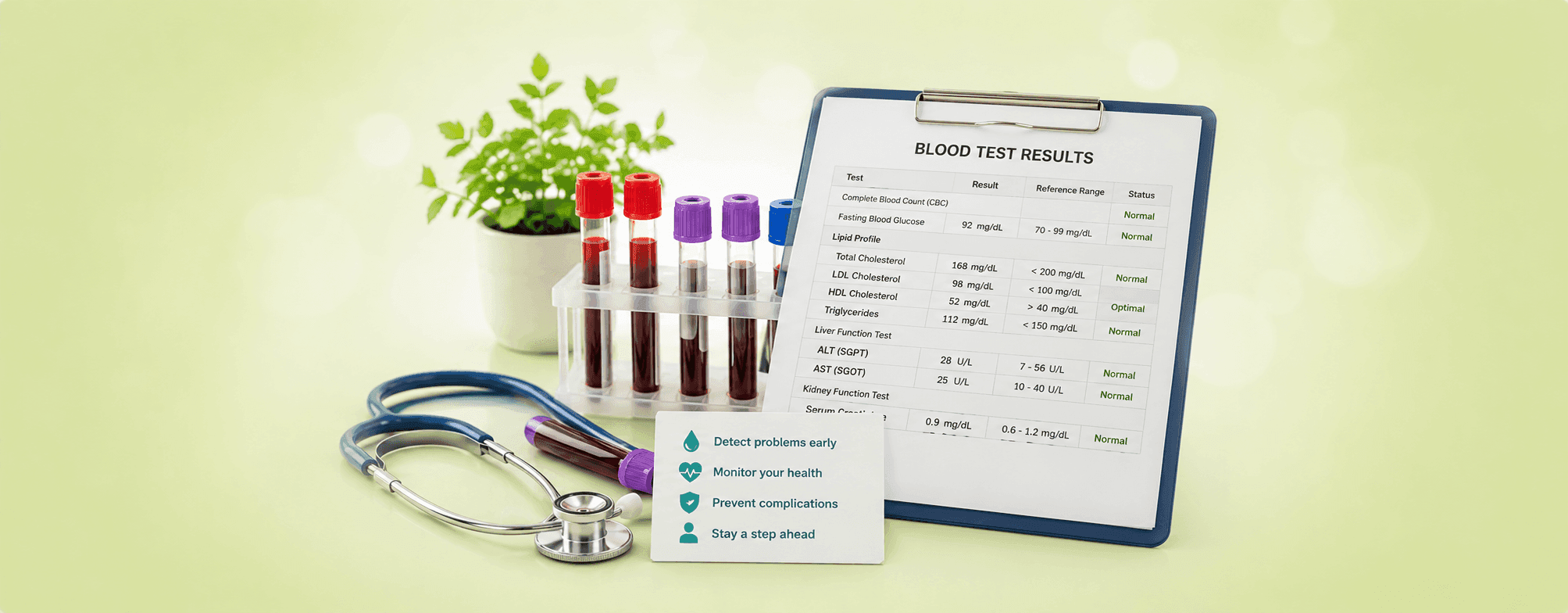


Feeling healthy doesn't always mean everything is fine. A routine blood test can sometimes detect health problems before symptoms appear. Many health conditions, such as diabetes, high cholesterol, thyroid disorders, and even kidney disease, can develop silently without causing noticeable symptoms in the early stages. By the time signs appear, the condition may already need treatment.
This is where preventive health becomes important. Regular blood tests can help detect changes in your body early, often before you feel unwell. Early detection gives you and your doctor the opportunity to make lifestyle changes, start treatment if needed, and reduce the risk of future complications.
In this blog, let us explore why routine blood tests are an essential part of preventive healthcare, which tests are commonly recommended, and how they can help you stay healthier in the long run.
What Is Preventive Health?
Preventive health focuses on maintaining good health and preventing disease rather than treating illness after it develops. It includes healthy lifestyle habits, vaccinations, regular screenings, and routine health check-ups that help identify health problems at an early stage.
One of the simplest yet most valuable tools in preventive healthcare is a regular blood test. These tests provide important information about how different organs and systems in your body are functioning.
A preventive health checkup usually combines blood tests with a physical examination, medical history review, and other recommended screenings based on your age, gender, lifestyle, and family history.
Why Regular Blood Tests Matter
Blood carries information about almost every organ in your body. A small sample can reveal important changes long before symptoms develop. Here are some of the biggest benefits of regular testing.
1. Detect Health Problems Early: Many chronic diseases develop gradually without obvious warning signs. Routine blood tests can help identify conditions such as:
- Diabetes
- High cholesterol
- Thyroid disorders
- Liver disease
- Kidney disease
- Nutritional deficiencies
- Certain infections
2. Monitor Your Overall Health: Even if you are feeling well, blood tests provide a snapshot of your overall health. Your doctor can monitor:
- Blood sugar levels
- Cholesterol
- Liver function
- Kidney function
- Blood cell counts
- Vitamin and mineral levels
Comparing results over time also helps identify small changes before they become serious.
3. Manage Existing Medical Conditions: If you have already been diagnosed with diabetes, high blood pressure, thyroid disease, or high cholesterol, regular blood tests help your doctor understand how well your treatment is working.
They can also determine whether medications need adjustment or if additional lifestyle changes may help improve your health.
4. Reduce the Risk of Serious Complications: Early diagnosis often leads to better outcomes. For example:
- Detecting prediabetes early may help prevent Type 2 diabetes.
- Identifying high cholesterol can lower your risk of heart disease and stroke.
- Finding kidney problems early may help slow disease progression.
Preventive care is often easier, less expensive, and more effective than treating advanced disease.
Common Blood Tests Included in a Preventive Health Checkup
The tests included in a preventive health checkup may vary depending on your age, medical history, and individual risk factors. However, some tests are commonly recommended for most adults.
Complete Blood Count (CBC): A CBC measures different types of blood cells and helps detect:
- Anaemia
- Infections
- Blood disorders
Blood Sugar Tests: These include:
- Fasting Blood Sugar (FBS)
- HbA1c
They help screen for prediabetes and diabetes.
Lipid Profile: This test measures:
- Total cholesterol
- LDL (bad cholesterol)
- HDL (good cholesterol)
- Triglycerides
It helps assess your risk of heart disease and stroke.
Liver Function Test (LFT): An LFT checks how well your liver is working and may detect liver inflammation or damage.
Kidney Function Test (KFT): These tests measure substances such as creatinine and blood urea nitrogen (BUN) to evaluate kidney health.
Thyroid Function Tests: These tests measure hormones such as TSH and help detect thyroid disorders that can affect your metabolism, energy levels, and weight.
Vitamin B12 and Vitamin D: Low vitamin levels are common and may contribute to fatigue, weakness, bone problems, or nerve-related symptoms.
Iron Studies: These tests help identify iron deficiency and certain types of anaemia.
Who Should Get Regular Blood Tests?
Routine blood tests can benefit almost everyone, but they are especially important if you:
- 30 years or older
- Have a family history of diabetes or heart disease
- Have high blood pressure
- Are overweight or obese
- Smoke or consume alcohol regularly
- Have an unhealthy diet or a sedentary lifestyle
- Have an existing medical condition that requires monitoring
Your doctor may recommend different screening intervals depending on your individual health profile.
How Often Should You Get Blood Tests?
There is no single schedule that works for everyone. How often you need blood tests depends on your age, medical history, family history, lifestyle, and any existing health conditions.
As a general guide:
- Healthy adults (20 to 30 years): Every 2 to 3 years, or as advised by your doctor.
- Adults aged 30 to 40 years: Every 1 to 2 years, especially if you have risk factors such as obesity or a family history of chronic disease.
- Adults over 40 years: An annual preventive health checkup is usually recommended.
- People with chronic conditions: Those with diabetes, high blood pressure, thyroid disorders, or heart disease may require blood tests more frequently to monitor their condition.
Rather than waiting until symptoms appear, regular testing allows your doctor to track changes over time and recommend timely interventions.
Preventive Health Checkup Packages: What Do They Include?
A preventive health checkup package typically combines multiple blood tests and health assessments into a single screening program. These packages are designed to provide a comprehensive overview of your health and identify potential concerns before they become serious.
Although the tests may vary between healthcare providers, most preventive health checkup packages include:
- Complete Blood Count (CBC)
- Blood sugar tests (Fasting Blood Sugar and HbA1c)
- Lipid profile
- Liver function tests
- Kidney function tests
- Thyroid profile
- Urine analysis
- Blood pressure measurement
- Body Mass Index (BMI)
- Doctor consultation
Some packages may also include:
- Vitamin D and Vitamin B12 tests
- Iron studies
- ECG
- Chest X-ray
- Ultrasound
- Cancer screening based on age and gender
How to Choose the Best Preventive Health Checkup Packages
With so many options available, choosing the best preventive health checkup packages can feel overwhelming. Instead of selecting the largest package, focus on one that matches your individual health needs.
When comparing packages, consider whether they include:
- Essential blood tests
- Screening for common lifestyle diseases
- Doctor consultation to interpret results
- Age-appropriate screenings
- Follow-up recommendations if abnormalities are detected
If you have a family history of diabetes, heart disease, thyroid disorders, or kidney disease, speak to your doctor about whether additional tests are needed.
Remember, a health checkup is most valuable when the results are reviewed by a healthcare professional who can explain what they mean and recommend the next steps.
Lifestyle Habits That Work Alongside Blood Tests
Regular blood tests are only one part of maintaining good health. Healthy daily habits can make a significant difference in preventing disease and improving your test results.
Simple habits that support preventive healthcare include:
- Eating a balanced diet rich in fruits, vegetables, whole grains, and lean protein.
- Exercising for at least 150 minutes each week.
- Getting enough sleep.
- Managing stress through relaxation techniques or hobbies.
- Avoiding smoking and limiting alcohol consumption.
- Taking prescribed medications as directed.
- Following up with your doctor when test results require attention.
Conclusion
Many serious health conditions develop silently, without causing noticeable symptoms in their early stages. Regular blood tests give you an opportunity to detect these problems early, monitor your overall health, and make informed decisions before complications arise.
Whether you're scheduling your first preventive health checkup or already have an ongoing screening routine, remember that prevention is always better than treatment. Combined with healthy lifestyle choices and regular medical guidance, routine blood tests are one of the simplest ways to protect your long-term health.
How PB Health Can Support You
Staying healthy starts with understanding your health today, not just treating illness when it appears. At PB Health, you can access preventive health services, consult experienced doctors, understand your blood test results, and receive personalised guidance on managing risk factors and improving your overall well-being. With the right support, taking charge of your health becomes simpler and more proactive.