




I get asked this question often, and honestly, there is no one-size-fits-all answer. Some women know exactly when they need specialist care. Others aren't entirely sure if their symptoms warrant a trip to the gynaecologist or if a quick visit to their GP will do the trick.
The reality is, understanding when to see a gynaecologist comes down to a few key factors. Your age matters. Whether you're sexually active matters. And yes, what's going on with your body matters. Let me break down what you should know.
When It's Time to Book That Appointment
Regular Check-ups Aren't Optional: Plenty of women skip regular gynaecological check-ups because they feel fine. But that's exactly why you shouldn't wait for problems to show up. Once you hit your late teens or become sexually active, annual visits to a gynaecologist become important.
Why? Because a lot of things go unnoticed. Pap smears detect cervical changes before they become serious. Routine checks also help establish your baseline health, so your doctor knows what is normal for your body.
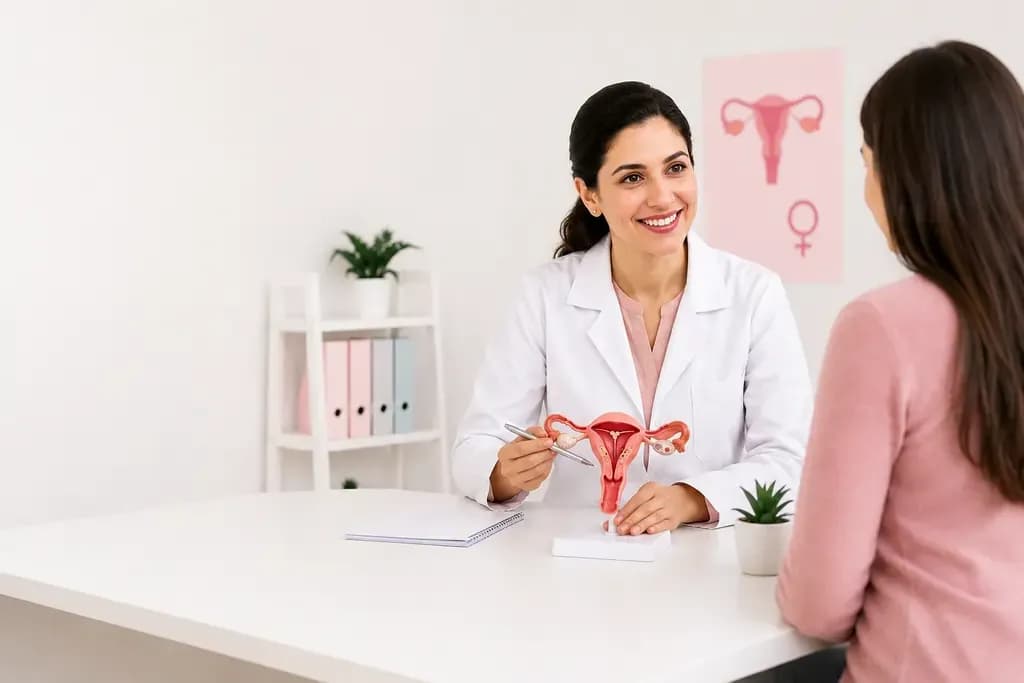
A gynaecological examination of what to expect usually includes basic health checks and sometimes screening tests, depending on your age and symptoms.
Your Period Is Trying to Tell You Something: Heavy periods are not something you should just accept. Neither are cycles that suddenly become irregular nor cramps that interfere with daily life.
If you are wondering when to see a gynaecologist, one clear sign is a noticeable change in your menstrual cycle.
This could be due to:
● Hormonal imbalance
● Fibroids
● Thyroid issues
A gynaecologist helps identify the cause instead of you just managing symptoms silently.
Thinking About Birth Control or Pregnancy: Whether you are considering contraception or planning a pregnancy, a gynaecologist can guide you better than general advice alone.
They help with:
● Birth control pills
● IUD options
● Emergency contraception
This is why many people choose a gynaecologist vs. a GP to see when it comes to reproductive planning and long-term care.
Pain During Sex or Other Discomfort: Painful intercourse is not normal. Neither is ongoing pelvic pain nor unusual discharge that doesn’t go away.
Many women live with these symptoms for years, assuming they are normal. But they are not.
Possible causes include:
● Endometriosis
● Pelvic floor dysfunction
● Infections
● Hormonal imbalance
Early consultation with a gynaecologist can help with faster diagnosis and treatment.
When You Are Pregnant: Once you know you are expecting, regular visits to a gynaecologist become essential over the next nine months. These visits track your baby’s growth, monitor your health, and detect complications early.
Pregnancy care is a key part of women’s reproductive health and should not be skipped.
Gynaecologist Or GP? When You Actually Need the Specialist
Both have their place in healthcare, but they are not interchangeable.
Your GP Can Handle: Your general practitioner manages:
● Basic infections
● Initial contraceptive advice
● General health concerns
● Referrals to specialists
When You Actually Need a Gynaecologist: A gynaecologist focuses specifically on reproductive health. You should see one when:
● Symptoms are persistent or unexplained
● Fertility concerns arise
● Hormonal imbalance is suspected
● You need an ultrasound or an advanced evaluation
● Pain or bleeding is ongoing or unusual
This is where the difference between a gynaecologist and a GP becomes important.
What Actually Happens During the Exam
Many first-timers feel nervous, which is completely normal. A gynaecological examination, what to expect, is usually simple and structured.
Before the Visit
● Note your symptoms
● Track your last period
● Prepare your questions
● Bring ID and medical records
You can see a gynaecologist anytime in your cycle.
During the Visit
Your doctor will first take your medical history:
● Period patterns
● Symptoms
● Sexual activity (if relevant)
● Medications
● Family history
Then comes the physical exam:
● Breast check
● Abdominal exam
● Pelvic exam (if required)
● Pap smear or ultrasound if needed
It may feel uncomfortable, but it should not be painful. If something hurts, you should always speak up.
After the Exam
Your doctor will explain the findings clearly. If everything is normal, they reassure you. If something needs attention, they guide you on the next steps.
Warning Signs You Should Not Ignore
You should see a gynaecologist early if you notice:
● Bleeding between periods or after sex
● Very heavy or prolonged periods
● Severe pelvic pain
● Foul-smelling discharge
● Missed periods with pregnancy concerns
● Pain during intercourse
These are strong reasons for understanding when to see a gynaecologist without delay.
Ages And Stages
15–20 Years: Start visits around age 15 or when sexually active. Early care builds long-term reproductive health awareness.
20–40 Years: Annual visits for contraception, pregnancy planning, and general reproductive health.
40–55 Years: Hormonal changes begin. Perimenopause symptoms often need monitoring and management.
55+ Years: Menopause does not end care. Bone health, sexual health, and general screening remain important.
Conclusion:
A gynaecologist is not just for illness; they are part of preventive care and long-term reproductive health. If something feels off, don’t wait. And even if everything feels normal, routine care still matters. Understanding when to see a gynaecologist is one of the simplest ways to take early control of your health.
How Can PB Health Support You?
At PB Health, we believe wellness requires continuity, coordination, and consistent follow-through. Our doctors and care teams work together, supported by technology that helps track progress, organise follow-ups, and keep information clear and accessible. From prevention to recovery, every stage is managed thoughtfully so that nothing important is missed and nothing is left unclear.
To understand more about our approach, you can visit our website, PB Health.