


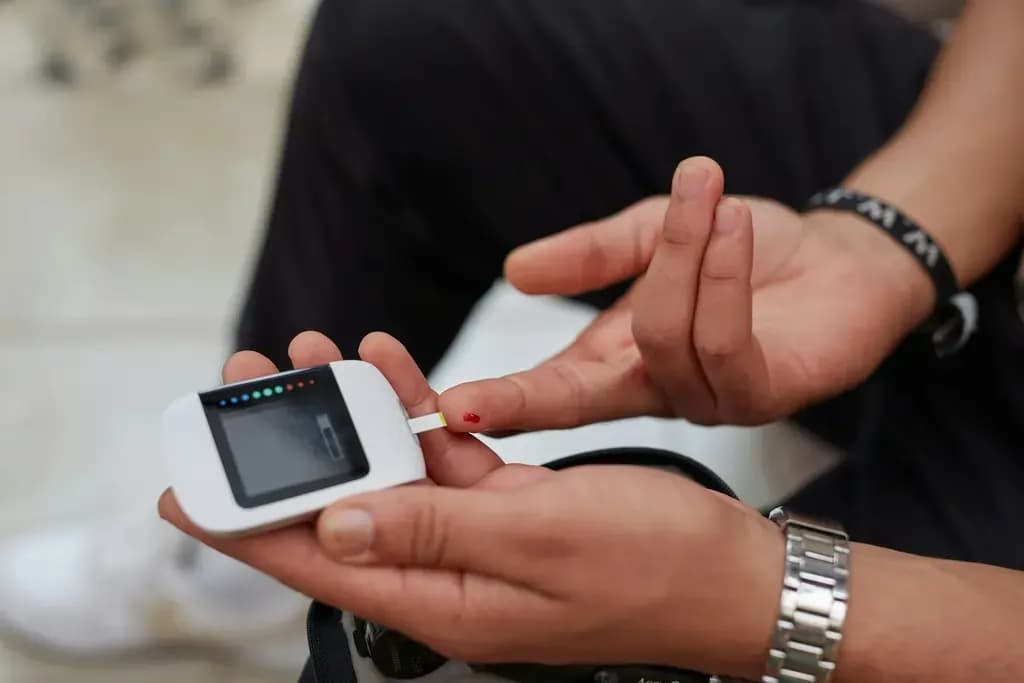
Living with a chronic disease isn’t only about taking medicines daily or doctor visits; it is also about the small, everyday choices you make. Some days you feel at ease and in control, while on others, even simple things can feel a bit too much.
That constant back-and-forth can be exhausting, not just physically, but emotionally too. But here is something important to remember: your condition does not control every part of your life. The way you eat, move, rest, and manage stress plays a powerful role in how you feel each day.
Whether you are dealing with congestive heart failure or a chronic kidney disease diagnosis, the right lifestyle changes can help you regain a sense of balance, control, and hope.
What Are Chronic Diseases?
Chronic diseases, also called noncommunicable diseases (NCDs), are long-lasting conditions. They are caused by a mix of factors, including genetic, environmental, and lifestyle habits.
These include:
● Heart diseases (like heart attacks and stroke)
● Cancers
● Chronic respiratory diseases (like asthma)
● Diabetes
These diseases affect people in all countries, but they are more common in low- and middle-income countries. According to the WHO, NCD deaths (around 32 million) occur nearly three out of four deaths from NCDs (around 32 million) happen in these regions.
Who Is at Risk?
Chronic diseases don't just affect older adults, and they can affect people across all age groups. Nearly 18 million deaths occur before the age of 70, which highlights the significant risk among younger populations. Notably, most of these premature deaths take place in low- and middle-income countries.
Risk begins early in life. Children, adults, and older individuals are all exposed to factors like:
● Unhealthy diets
● Lack of regular exercise
● Tobacco smoke exposure
● Alcohol use
● Air pollution
What are the 10 Unhealthy Habits That Increase Risk?
Many daily habits silently increase the risk of chronic diseases:
● Skipping meals
● Eating processed foods often
● Lack of sleep
● Smoking
● Excess alcohol consumption
● Sitting for long hours
● Lack of regular exercise
● High stress levels
● Low water intake
● Ignoring symptoms
Changing these habits is the first step toward better health.
Understanding Risk Factors
1. Behavioural Risk Factors:
The choices you make daily have a direct impact on your health. Some key behavioral risks include:
● Tobacco use
● Unhealthy diets
● Harmful alcohol consumption
● Lack of regular exercise
2. Metabolic Risk Factors:
● High blood pressure
● Overweight
● High blood sugar
● High cholesterol
3. Environmental Risk Factors:
Your surroundings also have a strong impact on your health. Air pollution is one of the biggest environmental risk factors, responsible for millions of deaths worldwide. It contributes to serious conditions such as stroke, heart disease, lung diseases, and cancer, all of which are major chronic diseases.
Other environmental factors can also affect your health, including:
● Exposure to second-hand smoke
● Poor water quality and sanitation
● Occupational hazards (like chemicals or dust at work)
● Noise pollution and lack of green spaces
● Climate-related factors such as extreme heat
Being aware of these risks and making small changes, such as improving indoor air quality or avoiding polluted areas, can help protect your long-term health.
What are the Lifestyle Changes That Help Manage Chronic Diseases?
1. Start Exercising Regularly
One of the most effective lifestyle changes is to exercise every day, and the benefits of regular physical activity include:
● Improved heart health
● Better blood sugar control
● Increased energy levels
2. Focus on Healthy Eating
What you eat plays a key role in managing chronic diseases. For example, in chronic kidney disease, your diet needs extra attention, as the kidneys may not be able to filter waste effectively. Getting the right amount of protein each day is important, too much or too little can affect your health, so it should be balanced based on medical advice.
Choosing fresh, home-cooked meals over processed foods can also help reduce excess salt and unhealthy fats. Including vitamin D–rich foods such as fortified milk, eggs, and fish can support overall health.
3. Stay Hydrated
A common question is: how much water should a person drink a day?
Hydration needs vary from person to person, but staying properly hydrated is important for overall health. Drinking enough water helps regulate body temperature, supports digestion, and keeps your energy levels steady.
It can also help your body remove waste effectively. However, people with kidney or heart conditions should be careful, as too much or too little fluid can be harmful. Always follow your doctor’s advice on how much fluid you should take.
4. Practice Stress Management
Stress management is essential when dealing with chronic diseases. Long-term stress can worsen many health conditions. The WHO also emphasises mental well-being as a key part of overall health.
Simple techniques include:
● Deep breathing
● Meditation
● Quality sleep
5. Follow Medical Advice Consistently
After a chronic kidney disease diagnosis or heart condition:
● Take medications as prescribed
● Monitor your health regularly
● Attend follow-up check-ups
Why Lifestyle Modification Matters?
Lifestyle modification is not about being perfect; it is about being consistent.
Small steps like:
● Daily walking
● Healthy eating
● Better stress management
When to Seek Medical Help?
● Symptoms that worsen or don’t improve
● Severe fatigue
● Difficulty breathing
● Changes in urination
Always consult a doctor when symptoms feel unusual or severe.
Conclusion:
Managing chronic diseases isn’t just about treatment; it is about your daily habits. Small changes like staying active, eating well, and managing stress can help you live a healthier, more balanced life.
How Can PB Health Support You?
When a loved one needs care, the first thing you want is clarity. You want to understand the potential costs, the expected recovery timeline, and the next steps. Most importantly, you want confidence that every recommendation is truly necessary.
From consultation to treatment to discharge, you shouldn’t have to coordinate between doctors, labs, pharmacies, and insurance. Your focus should be on being by your loved one’s side, and your time should matter. There should be a single, clear point of ownership guiding the entire journey.
Even after returning home, support should continue through structured follow-ups and attention to long-term health. Families and caregivers deserve to feel supported, not left to navigate the process alone.
At PB Health, this is how we believe healthcare should work—not as a promise, but as a basic standard. If this aligns with the standard you expect, you can know more by visiting our website, PB Health.