

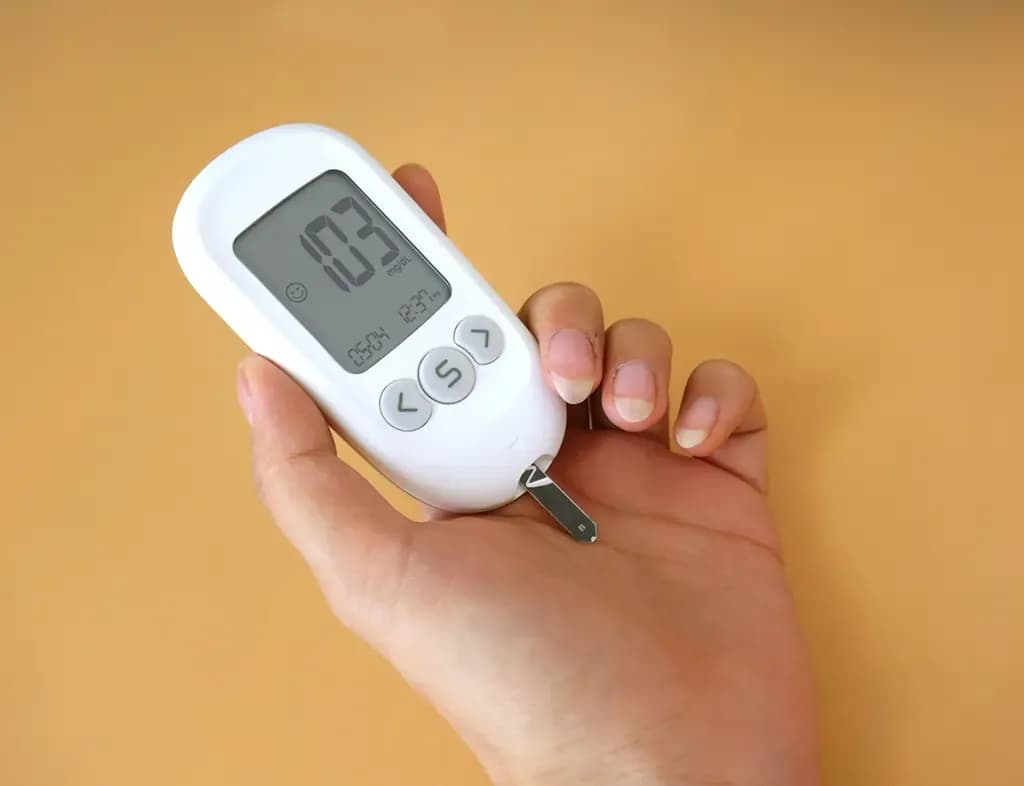
These little-known facts about insulin resistance could be the key to fighting diabetes.
Don’t we always wish we could find that one thing that could fix most of our problems in life?
Insulin resistance is one such example. Working on decreasing your insulin resistance could help you lose weight and keep it off, fight prediabetes, prevent or manage diabetes, and reduce high blood pressure and cholesterol. Pretty interesting, isn't it?
What is Insulin Resistance?
Your body breaks down whatever you eat into sugar. This sugar needs to enter your cells to provide you with energy.
Now, insulin is like a key that helps sugar get into your cells so it can do what it is supposed to.
Imagine a scenario where you have lost the key, or you have the wrong key. Then the glucose can’t enter the cells.
So, now you have a lot of insulin that isn’t functioning well. It is known as insulin resistance.
Ideally, the key would turn the lock, and then glucose would enter the cells. Lowering the blood sugar levels.
What are the Signs and Symptoms of Insulin Resistance?
Insulin resistance has an impact on many aspects of your health, such as obesity, cardiovascular disease, non-alcoholic fatty liver disease, metabolic syndrome, and PCOS. It is also referred to as a silent risk as it doesn’t have many non-clinical symptoms.
Therefore, the best way to detect insulin resistance is to get regular health checkups.
Here are a few insulin resistance symptoms and signs that can tell you if you have insulin resistance:
• A waistline of over 40 inches in men and 35 inches in women
• Blood pressure higher than 130/80 or higher
• A fasting glucose level over 100 mg/dL
• A fasting triglyceride level of over 150 mg/dL
• An HDL cholesterol level under 40 mg/dL in men and 50 mg/dL in women
• Skin tags and patches of dark, velvety skin known as acanthosis nigricans
• Irregular menstrual cycle
What Causes Insulin Resistance?
Insulin resistance can be genetic. However, acquired causes of insulin resistance also exist. Let’s learn more about them:
1. Excess body fat
Research shows that obesity, particularly excess fat around your waist and organs, is also known as visceral fat. As mentioned above, the waistline is 40 inches in men and 35 inches in women.
Visceral fat increases inflammation in your body, which can contribute to insulin resistance.
2. Physical inactivity
Physical activity increases your insulin sensitivity and helps you build muscle, which helps absorb glucose from your blood. And keep your blood sugar levels in check.
However, a lack of physical activity can have the opposite effect. Leading a sedentary lifestyle with no to little physical activity can lead to obesity, which can increase insulin resistance.
3. Diet
Highly processed diets that have a high amount of carbohydrates and saturated fats get digested very quickly by your body and spike your blood sugar levels. Increased blood sugar levels over a long span of time can increase insulin resistance.
By putting pressure on your pancreas to produce a lot of insulin.
4. Medicines
Certain medications, such as steroids and certain hypertension and psychiatric disorders, can lead to insulin resistance.
5. Medical conditions
Certain medical conditions - hormonal and genetic can increase insulin resistance.
Complications of Insulin Resistance
If insulin resistance is not managed on time, it can lead to severe complications. Insulin resistance can raise insulin production so your body can maintain normal blood sugar levels.
Higher insulin levels can lead to high cholesterol, hypertension, vascular complications, and hardened arteries. It can also lead to an increased risk of stroke, cardiovascular disease, and type 2 diabetes.
What Can You Do About It?
There is no overnight solution to insulin resistance. It involves making consistent and sustainable lifestyle changes.
● Physical activity, especially weight training, can help build muscle and make you more sensitive to insulin.
● This relates to the next solution, which is weight loss. As we know, being overweight, especially those with a high waist circumference, are more likely to develop insulin resistance.
● Losing even 5% of body weight can reduce your health risks from insulin resistance.
● Having a healthy and balanced diet, good quality and adequate sleep, and stress management also help in mitigating insulin resistance.
● A comprehensive weight management plan that considers more than the traditional aspect of weight loss is the best way to tackle insulin resistance.
How is Insulin Resistance Diagnosed?
There is no singular test to diagnose insulin resistance. There are, however, tests that are associated with signs of insulin resistance, which can give a full picture to your doctor about whether you have insulin resistance.
You can test for fasting blood glucose, HbA1c, and a lipid panel test. If you have health complications, your doctor may even order related tests such as metabolic syndrome, cardiovascular disease, or PCOS.
How Should You Change Your Food Habits To Beat Insulin Resistance?
Yes. This is key.
To start with, avoid highly processed foods that are high in carbohydrates, saturated fats, and sugar. It is important to have a diet that is balanced and, most importantly, rich in fibre and protein to promote satiety.
But wait, don’t Google the best diet for insulin resistance management. A generic plan will not help and, most importantly, will not be sustainable.
Best Exercise For Insulin Resistance
Both aerobic and weight training exercises can help improve your insulin sensitivity and help reduce insulin resistance and related complications.
Building muscles has been shown to significantly help reduce insulin resistance, as excess glucose from the blood gets absorbed by your muscles.
However, it is important to have an expert guide you to ensure you eliminate the risk of injury.
How Stress And Lack Of Restful Sleep Can Worsen Insulin Resistance?
Stress and sleep can reduce insulin sensitivity. Sleep deprivation and poor quality sleep can impact cortisol and insulin levels and can, therefore, increase your blood glucose levels.
Not getting enough sleep can also increase inflammation in your body, which can also reduce insulin sensitivity.
Increased stress can trigger the release of hormones such as adrenaline and cortisol. However, these make it difficult for insulin to function properly, contributing to insulin resistance.
This is why you have access to a mind coach for stress and sleep management and habit formation for being able to sustain these lifestyle changes for a long time.
Is There A Medicine For Insulin Resistance in India?
No. There are no medicines for treating insulin resistance. However, certain medicines prescribed for diabetes can reduce insulin resistance. The best way to reduce insulin resistance is by making lifestyle changes that tackle the root causes.
Can I Get Professional Help To Reduce Insulin Resistance?
Yes. You can speak with your healthcare provider or your diabetes management care team to help you personalise your diabetes care plan or your weight loss plan to help reduce insulin resistance. However, since insulin resistance is a combination of multiple factors, it is important to work to tackle them all.
How Can PB Health Support You?
When someone in your family needs medical care, you should not have to worry about what comes next or who will take care of each step.
At PB Health, we believe good healthcare depends on proper planning and regular follow-ups. Our doctors and care teams work together, supported by technology that helps track progress, organise follow-ups, and keep all information clear and accessible. From prevention to recovery, every stage is managed carefully so that nothing important is overlooked.
To learn more about our approach, visit the PB Health website.