

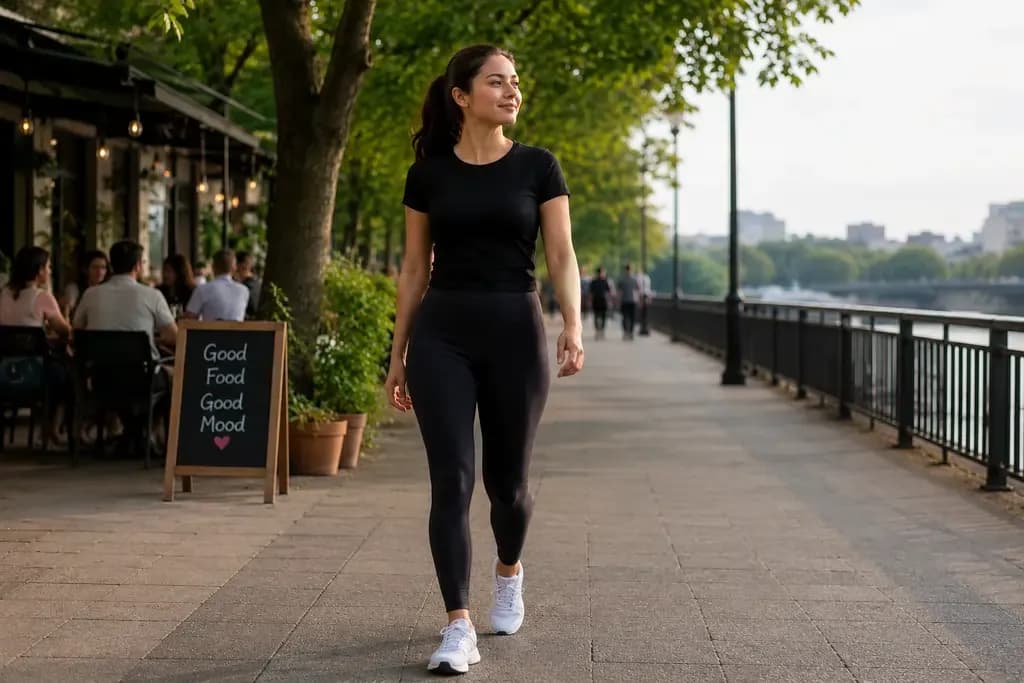
For decades, many of us have been told to "rest after eating" so the body can "digest better." Maybe you've seen your parents or grandparents lounging on the sofa after a big meal, or even you might feel like plopping down yourself. But what if we told you that science says doing the exact opposite can help you digest better, control blood sugar, and even help you lose weight?
A study published in Diabetes Care found that brisk walking for just 15-30 minutes after eating can significantly reduce blood sugar spikes, especially for people with diabetes. No wonder walking after meals to lower blood sugar has become the new golden mantra to keep post-meal blood sugar levels in check.
How Does Walking After Meals Prevent Blood Sugar Spikes?
First, let us share some interesting facts: According to a 2022 study, the impact of post-meal walk sessions on blood sugar control was evaluated. Here, 21 healthy young adults participated in trials to determine how walking influenced post-meal glucose levels; each meal had a varying carbohydrate content.
The study found that a 30-minute brisk walk after eating significantly lowered glucose spikes in all conditions. The effects were even more pronounced when the meal had a lower carbohydrate content. This reinforces the idea that a post-meal walk can effectively manage blood sugar, regardless of meal composition.
Now, we will explain how this happens. How does walking post-meals help keep your blood sugar levels in control?
When we eat foods that contain carbohydrates, our bodies break them down into glucose. This glucose enters the bloodstream, increasing blood sugar levels.
If that sugar isn’t used for energy, the body stores it as fat, and this can lead to weight gain and make it harder for insulin to work properly.
Walking after eating helps in two keyways:
• Increases Muscle Activity: Your muscles use glucose from your meal as fuel, reducing the amount of glucose left in your bloodstream. This stops your blood sugar from going too high.
• Improves Insulin Sensitivity: Walking helps insulin work more effectively, as insulin is the hormone that moves sugar from your blood into your cells. A 15-minute brisk walk after meals improves post-meal insulin response, allowing glucose to be absorbed more effectively and preventing excess sugar from circulating in the blood. Over time, this reduces the risk of developing insulin resistance and Type 2 diabetes.
What Are the Other Benefits of Walking After Meals?
1. Reduces Stress
One study found that a brisk walk after a meal can help lower stress and help you mentally switch off from work.
Walking, especially outdoors or in nature, can ease tension, lift your mood, and make you feel better overall. It’s a simple and practical way to unwind after a long day.
If your office doesn’t have a park nearby, just walk across the corridor, in the passage, on the terrace, or in any space where brisk walking is possible - the same applies if you're at home or any other facility or place.
2. Walking Supports Digestion
Walking after meals helps stimulate digestion and reduce bloating by promoting movement in the digestive tract. However, if you have acid reflux, walking too soon or too vigorously right after eating may sometimes worsen symptoms.
Walking at a light, controlled pace and avoiding overly large or heavy meals before walking can help you get the benefits without discomfort.
3. Supports Heart Health
Walking after meals can improve cardiovascular health by lowering blood pressure and enhancing circulation. Regular post-meal walks have been linked to a reduced risk of heart disease by improving cholesterol levels and overall heart function.
4. Aids in Weight Management
A study found that brisk walking immediately after meals is more effective for weight loss than walking one hour later. Participants who walked for 30 minutes right after lunch and dinner lost up to 3 kg in a month, while those who delayed their walks lost less weight.
Walking soon after eating helps limit blood sugar spikes, control insulin secretion, and prevent fat storage, making it a great habit for weight management.
5. Improves Sleep Quality
An evening walk after meals can help reduce stress and promote relaxation, leading to better sleep quality. Studies suggest that light physical activity in the evening can positively impact melatonin production, the hormone responsible for sleep regulation.
💡 New Mom Hack! New moms, you too can go for post-meal walks - no excuses! Just strap your baby in a carrier and stroll away. It’s a win-win - burn calories, keep blood sugar in check, and sneak in some baby bonding time! 🚶♀️👶💕
Walking after meals is a fantastic habit, but it may cause mild discomfort for some people. If you've ever felt uneasy after a post-meal walk, here’s why:
● Mild Stomach Cramps or Indigestion: Walking too briskly right after a big meal can make digestion more difficult, leading to cramps or discomfort. It helps to give yourself some time before starting and keep the pace moderate.
● Acid Reflux or Heartburn: If you’re prone to acidity, walking immediately after eating might worsen it. Eating lighter meals and avoiding overly spicy or greasy foods can reduce the chances of discomfort.
● Dizziness or Lightheadedness: If you have low blood pressure, jumping into activity right after eating might make you feel dizzy. Staying hydrated, eating a well-balanced meal, and keeping your movement gentle can make all the difference.
● Pre-existing Cardiac Issues: If you have a heart condition, walking immediately after meals may not be ideal. After you eat, your body sends more blood to help with digestion. If you start exercising immediately, it can sometimes put extra pressure on your heart. It is always a good idea to check with your doctor about the safest way to incorporate walking or other exercise into your routine.
For most people, these issues can be avoided by adjusting their walking pace and meal size. The only thing is to listen to your body and find a rhythm that works for you.
But what if walking isn't that simple for you? Maybe you're dealing with lingering joint pain, stiffness, or discomfort in your knees or back. Or perhaps you're unsure whether walking is the right exercise for you based on your current fitness level or health condition.
How Long Should You Walk to Keep Post-Meal Blood Sugar Levels in Control?
A study found that a 30-minute brisk walk immediately after a meal is highly effective in lowering spikes of blood sugar. Walking right after eating helps regulate glucose levels more efficiently than waiting an hour or more.
If 30 minutes feels like too much, even a 10–15-minute brisk walk can still significantly impact blood sugar control.
Prioritizing Your Health Over Excuses
Many people say, "I have so much to do, how can I take out time for a walk?"
💡 Reality check: If you don’t make time for your health now, you’ll have to make time for illness later. Incorporating walking after eating into your daily routine can be a simple but effective way to prioritize your well-being.
Instead of scrolling on your phone after eating, take a 10-15-minute walk, and continue scrolling while walking if needed! Walking while making calls or chatting with family counts, too.
How Can PB Health Support You?
When someone in your family needs medical care, you should not have to worry about what comes next or who will take care of each step.
At PB Health, we believe good healthcare depends on proper planning and regular follow-ups. Our doctors and care teams work together, supported by technology that helps track progress, organize follow-ups, and keep all information clear and accessible. From prevention to recovery, every stage is managed carefully so that nothing important is overlooked.
To learn more about our approach, visit the PB Health website.