


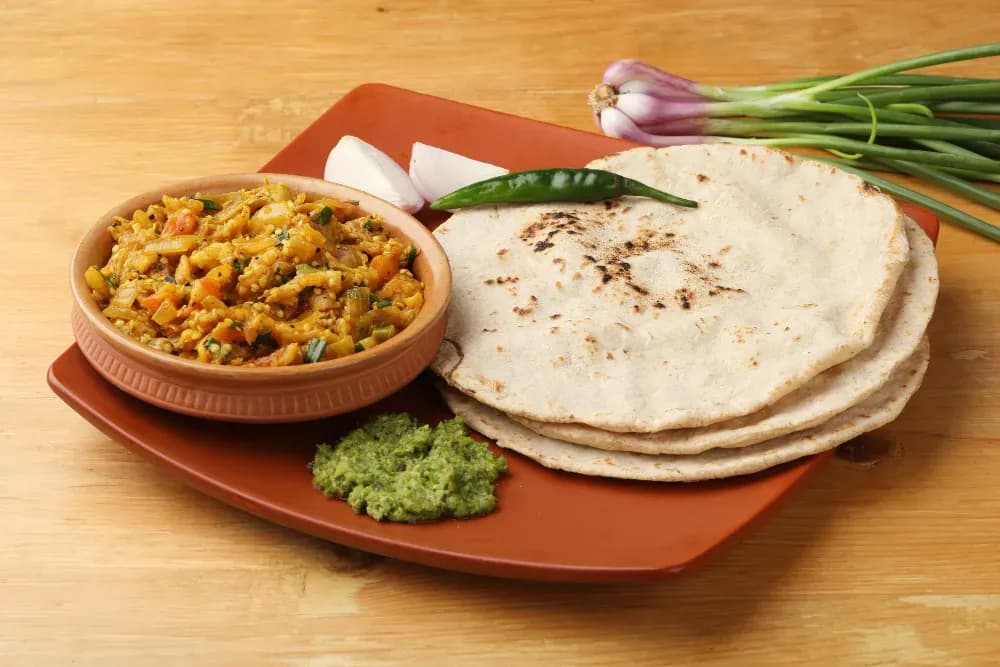
When we think of carbohydrates, the first foods that come to mind are rice and its varieties, wheat rotis or chapatis, and potatoes. But did you know these carbohydrate-rich foods are also high in starch?
Carbohydrates are of three main types– starches, sugars, and fibre. The ‘total carbohydrate’ content mentioned on food labels is usually a cumulative value of these three types. An ideal carbohydrate is dense in fibre, minerals and vitamins and low in sugars, sodium and unhealthy fats.
Starchy foods are, in fact, our main source of carbohydrates and play an important role in a healthy diet. Besides being a good energy source, some starchy foods are also rich in fibre, calcium and B vitamins. Starches are complex carbohydrates and take slightly longer than sugars to digest.
However, the game changes with diabetes. Many people living with diabetes often have queries like “Does starch increase blood sugar levels?” or “Why is starch bad for diabetes?” So, in this article, we’ll help you decode starchy foods and how they are placed in your diet when it comes to diabetes.
Why is Starch Bad for People with Diabetes?
Starchy foods usually make up one-third of the food you eat. In their natural form, they contain fewer calories than those found in fats. However, when these starchy foods are cooked with other ingredients like fatty ingredients such as oil, butter and ghee, their caloric value may increase.
Like any other carbohydrate, starchy foods are broken down into glucose and used by the body’s cells as fuel. However, the problem with starchy foods is that many of them have a high glycemic index (GI) and cause a rise in blood glucose levels quickly. This makes it difficult for people with diabetes to manage their blood sugar levels.
Does that mean all starchy foods are bad for people with diabetes? Not really! Some starchy foods have a low glycemic index and high fibre, for example, whole-wheat rotis, pasta, and some rice varieties.
However, if you have prediabetes or diabetes, it is highly recommended to seek professional help from a nutritionist who will evaluate your condition and recommend a diet plan that is safe for you and helps you manage your blood sugar levels better.
Which Starchy Foods Should People with Diabetes Avoid?
People with diabetes must be careful with the carbohydrates they consume. A few starchy foods that are a big no-no for people with diabetes are:
- Processed grains like refined flour (maida) and white rice
- Ready-to-eat cereals that contain less whole grains and lots of added sugars
- White bread
- Potato sabji, snacks containing potato batata wada, etc
- Bakery products that contain refined flour with plenty of sugar and saturated and trans fats, like biscuits, bread, sandwiches, cookies, cakes and pastries.
Which are the Non-Starchy Vegetables for People with Diabetes?
While you exercise caution with starchy vegetables, here are some non-starchy vegetables for diabetes:
- Cucumbers
- Cruciferous family of vegetables like broccoli, cauliflower and cabbage
- Tomatoes
- Beans and legumes (like dals and pulses, including moong, masur, matki)
- Carrots
- Brinjal/eggplant
- Mushrooms
- Okra (bhindi)
- Onions
- Radish
- Leafy greens like spinach, methi, fennel, amaranth, lettuce
- Gourds like dudhi, pumpkins, turai
Besides including these non-starchy vegetables for diabetes, you must also focus on eating them in their whole and unprocessed forms of it. Since these vegetables are high in fibre and have little starch or sugar, they do not have a severe impact on your blood sugar levels.
How to Reduce the Damage Caused by Starchy Food in a Diabetes Diet?
Since starchy foods form an integral part of our diet and culture, it may seem difficult to give them up entirely if you have diabetes. While working with your nutritionist is the best way for the dietary management of diabetes, here are some ways to reduce the damage that starchy foods can do:
- Ensure strict portion control and keep starchy foods to a minimum in your meal. Replace starchy foods with foods that are non-starchy and high in protein and fibre.
- Use better cooking methods. If possible, leave the skin of the potatoes on to increase the fibre and vitamin content of the vegetable. If you use potatoes to prepare a curry, include other fibre-rich vegetables to balance the nutritional value.
- If you are allowed to eat rice, do so in the quantities prescribed by your nutritionist.
Conclusion
People with diabetes do not necessarily need to completely avoid starchy foods. Choosing higher-fibre options, controlling portions and combining them with vegetables and protein can help make meals more balanced. The right amount of rice, roti or potatoes can vary from person to person, so individual dietary guidance can be helpful.
How Can PB Health Support You?
When someone in your family needs care, you should not have to worry about what happens next or who is responsible for each step.
At PB Health Hospital, IFFCO Chowk, Gurgaon, we believe wellness requires continuity, coordination, and consistent follow-through. Our doctors and care teams work together, supported by technology that helps track progress, organise follow-ups, and keep information clear and accessible. From prevention to recovery, every stage is managed thoughtfully so that nothing important is missed and nothing is left unclear.
To understand more about our approach, you can visit our website, PB Health.
Learn more about diabetes management services at PB Health.