


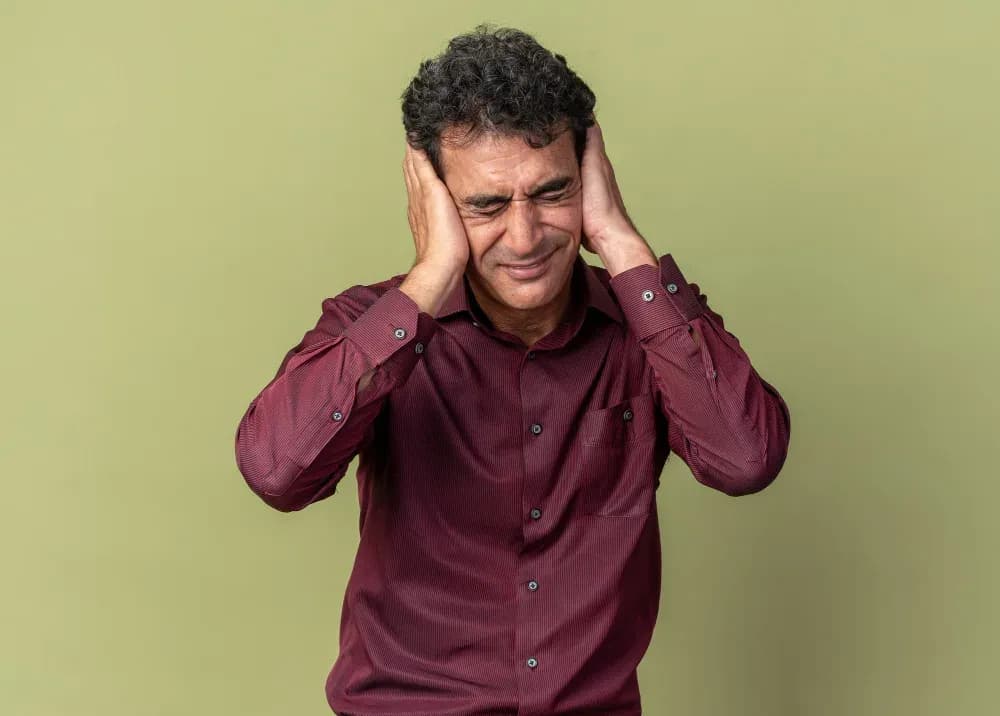
A headache that keeps returning can gradually affect more than your comfort. It may interrupt your sleep, make it difficult to concentrate at work or leave you reaching for painkillers several times a week. While many headaches are linked to stress, dehydration or poor sleep, persistent symptoms should not always be brushed aside.
The key question isn't simply how often your head hurts, but whether the pattern is changing, how severe the pain is, and whether other symptoms accompany it. Knowing when to seek medical advice can help you get the right diagnosis and avoid unnecessary delays in treatment.
What Is a Persistent Headache?
A persistent headache lasts a long time, occurs frequently, or keeps returning over days or weeks. It is a descriptive term, not a diagnosis in itself. Headaches can develop for several reasons, ranging from common conditions such as migraine and tension-type headache to medication overuse or, less commonly, an underlying medical problem.
According to the World Health Organization's overview of headache disorders, headache disorders are among the most common disorders of the nervous system and can significantly affect everyday functioning.
Paying attention to the duration, location, intensity and associated symptoms can help a neurologist understand what may be causing your discomfort.
Common Causes of Persistent Headaches
1. Migraine: Migraine can cause moderate to severe, throbbing head pain, often on one side. It may be accompanied by nausea, vomiting and sensitivity to light or sound. Some people also experience visual disturbances or other warning symptoms known as aura. Attacks can recur over time and may last from several hours to a few days.
2. Tension-type headaches: These headaches often feel like pressure or a tight band around the head. The pain is generally mild to moderate and may affect both sides. Stress, fatigue, poor sleep and prolonged muscle tension can contribute. However, frequent headaches should not automatically be attributed to stress without considering other possible causes.
3. Medication-overuse headache: Taking headache medicines too frequently can sometimes make headaches more persistent. This is known as medication-overuse headache. The risk depends on the medication and how often you use it. If you find yourself needing pain relief repeatedly throughout the week, speak with a healthcare professional instead of increasing the dose or frequency on your own.
4. Sleep, hydration and lifestyle factors: Irregular sleep, skipped meals, inadequate fluid intake, excess caffeine or sudden changes in caffeine consumption may contribute to headaches in some people. Long hours at a screen and poor posture can also cause discomfort, particularly when combined with muscle tension and fatigue.
5. Other medical conditions: Some headaches may be associated with infections, high blood pressure in specific circumstances, eye problems or other neurological and medical conditions. Less commonly, a persistent or changing headache can indicate a serious underlying problem. That is why recurring symptoms deserve attention, especially when they are new, worsening, or different from your usual headaches.
When Should You Consult a Neurologist?
Not every headache requires specialist care, but certain patterns are worth discussing with a doctor. Consider consulting a neurologist if:
- Your headaches occur frequently or keep returning over several weeks.
- The pain is becoming more intense or lasts longer than usual.
- Headaches interfere with your work, sleep or everyday activities.
- You experience repeated nausea, vomiting or sensitivity to light and sound.
- You regularly rely on painkillers to get through the day.
- Your headache pattern has changed, or your usual treatment no longer helps.
- You have new headaches along with other concerning symptoms.
Warning signs that require urgent medical attention
Some headaches need emergency assessment rather than a routine appointment. Seek emergency medical care if you experience:
- A sudden, extremely severe headache that reaches maximum intensity within seconds or minutes.
- A headache accompanied by weakness, facial drooping, confusion, difficulty speaking, loss of consciousness or sudden vision loss.
- A severe headache with fever and a stiff neck.
- A severe headache following a head injury.
- A new or severe headache during pregnancy or after childbirth, particularly if accompanied by visual changes or high blood pressure symptoms.
How Is a Persistent Headache Evaluated?
A headache assessment usually begins with a detailed discussion of your symptoms and medical history. Your neurologist may ask:
- When did the headaches begin?
- How often do they occur, and how long do they last?
- Where is the pain located, and what does it feel like?
- Are there associated symptoms such as nausea, visual changes or sensitivity to light?
- What medicines do you take, and how often?
- Have your sleep, work routine or daily habits changed recently?
A physical and neurological examination may follow. Depending on the findings, your doctor may recommend blood tests, imaging or other investigations. Brain imaging isn't necessary for every headache; your doctor will decide based on your symptoms, examination, and clinical risk factors.
Practical Ways to Manage Recurring Headaches
Alongside appropriate medical care, a few everyday habits may help reduce headache frequency or severity.
- Keep a headache diary: Note when the pain begins, how long it lasts, its intensity and any possible triggers.
- Maintain a regular sleep schedule: Try to go to bed and wake up at similar times each day.
- Eat at consistent intervals: Avoid skipping meals, especially during busy workdays.
- Drink enough water: Drink regularly throughout the day.
- Review caffeine intake: Avoid sudden, substantial changes in your usual consumption.
- Take screen breaks: Stretch your neck and shoulders and adjust your workstation for comfort.
- Use medication responsibly: Follow medical advice and discuss frequent painkiller use with your doctor.
How PB Health Can Support You
At PB Health Hospital, IFFCO Chowk, Gurgaon, patients experiencing recurring or persistent headaches can consult Dr Tanushree Chawla, Senior Consultant, Neurology. A consultation can help identify possible causes, assess associated symptoms and guide appropriate treatment based on individual needs.
Book a consultation: Visit PB Health to explore appointment options. If your headache is sudden and severe or occurs with neurological symptoms, seek emergency medical care immediately.
For assessment and ongoing care, explore our neurologist in Gurgaon services.
Conclusion
Don't ignore persistent headaches, especially when they become more frequent, worsen over time, or interfere with daily life. Although many headaches are manageable, identifying the underlying cause is essential for choosing the right treatment.
Pay attention to changes in your symptoms, maintain healthy daily routines and consult a neurologist when needed. Early evaluation can help you manage headaches more effectively and protect your quality of life.