


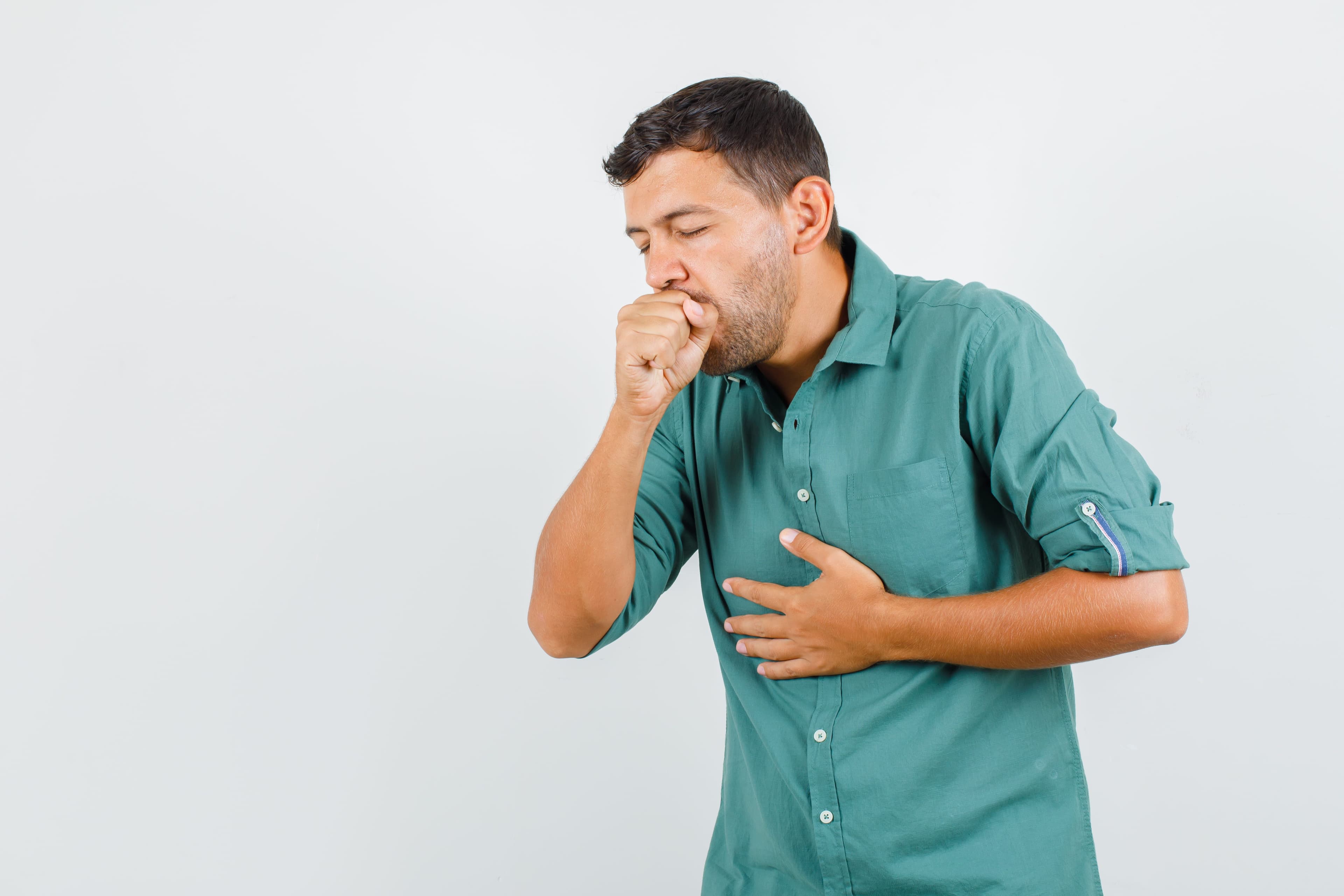
A cough that lasts for days or keeps coming back can be more than a seasonal nuisance. In Delhi-NCR, exposure to traffic fumes, construction dust and smoke can irritate the airways and worsen existing respiratory conditions.
If you experience a dry cough, throat irritation, or wheezing during periods of poor air quality, pollution may contribute. However, infections, asthma and other lung conditions can cause similar symptoms.
How Does Air Pollution Affect Your Lungs?
Air pollution contains gases and fine particles that can enter the respiratory system. Fine particulate matter, known as PM2.5, can travel deep into the lungs and trigger irritation and inflammation. According to the World Health Organisation (WHO), air pollution is associated with respiratory and cardiovascular diseases.
Common symptoms include:
- Dry or persistent cough
- Throat and nose irritation
- Wheezing or chest tightness
- Breathlessness, particularly during physical activity
People with asthma, chronic obstructive pulmonary disease (COPD) and other existing respiratory conditions may be more vulnerable to polluted air.
Who Is More Vulnerable to Air Pollution?
Although air pollution can affect anyone, some people are more vulnerable to its effects. Children, older adults, pregnant women, and people with asthma, chronic obstructive pulmonary disease (COPD) or other heart and lung conditions may experience more severe symptoms during periods of poor air quality.
People who work outdoors, including construction workers, traffic personnel and delivery workers, may also experience prolonged exposure to polluted air.
If you belong to a higher-risk group, watch for changes in your breathing, especially when air quality worsens. A persistent cough, wheezing, or breathlessness shouldn't automatically be attributed to pollution, especially if the symptoms are new or worsening.
When Should You Seek Medical Attention?
A cough caused by temporary irritation may improve when exposure decreases. However, consult a doctor if you experience:
- A cough lasting longer than three weeks
- Repeated wheezing or chest tightness
- Breathlessness during routine activities
- A cough that disrupts sleep or keeps returning
- Persistent fever or unexplained weight loss
Seek urgent medical care if you experience severe breathing difficulty, significant chest pain, blue or grey lips, confusion, or cough up blood.
How Can You Protect Your Lungs During Poor Air Quality?
A few practical measures can help reduce exposure:
- Check the Air Quality Index (AQI): Check local air quality before outdoor activities, particularly when pollution levels are high.
- Limit outdoor exertion: Avoid strenuous exercise outdoors when pollution levels are high.
- Use a well-fitting N95 respirator when appropriate: A well-fitted N95 respirator can help reduce exposure to airborne particles, including fine particulate matter. However, it does not protect against all gaseous pollutants, and its effectiveness depends on fit and correct use.
- Keep indoor air cleaner: Avoid smoking and burning materials indoors. Consider a suitable air purifier with a HEPA(High-Efficiency Particulate Air) filter.
- Follow your treatment plan: If you have asthma or COPD, take prescribed medicines as directed.
Note: In India, you can check local air-quality readings through the Central Pollution Control Board's National Air Quality Index portal. Use the readings and local health advisories to decide when to reduce outdoor activity, especially if you have respiratory symptoms.
How Is a Persistent Cough Evaluated?
A doctor will ask how long your cough has lasted, about your exposure to pollution, associated symptoms, and your medical history. Depending on the findings, evaluation may include:
- Physical examination and oxygen saturation measurement
- Lung function tests if asthma or COPD is suspected
- Chest X-ray when indicated
Not every patient needs every test. The recommended investigations depend on how long the cough has lasted, the symptoms present, medical history, and the findings of the clinical examination.
How PB Health Can Support You
At PB Health Hospital, IFFCO Chowk, Gurgaon, patients with a persistent cough, wheezing, or breathing difficulties can consult Dr Mohit Bhardwaj, Consultant, Pulmonology.
A consultation can help identify the cause of your symptoms and guide appropriate investigations and treatment.
If you are looking for a pulmonologist in gurgaon, PB Health can help you seek specialist evaluation for persistent coughing, wheezing and other respiratory symptoms.
Book a consultation: Visit PB Health to explore current appointment options.
Conclusion
Air pollution can irritate the airways, trigger coughing and worsen existing respiratory conditions. However, a persistent cough should not automatically be attributed to pollution. Reduce exposure where possible and seek medical advice if symptoms continue or worsen.