


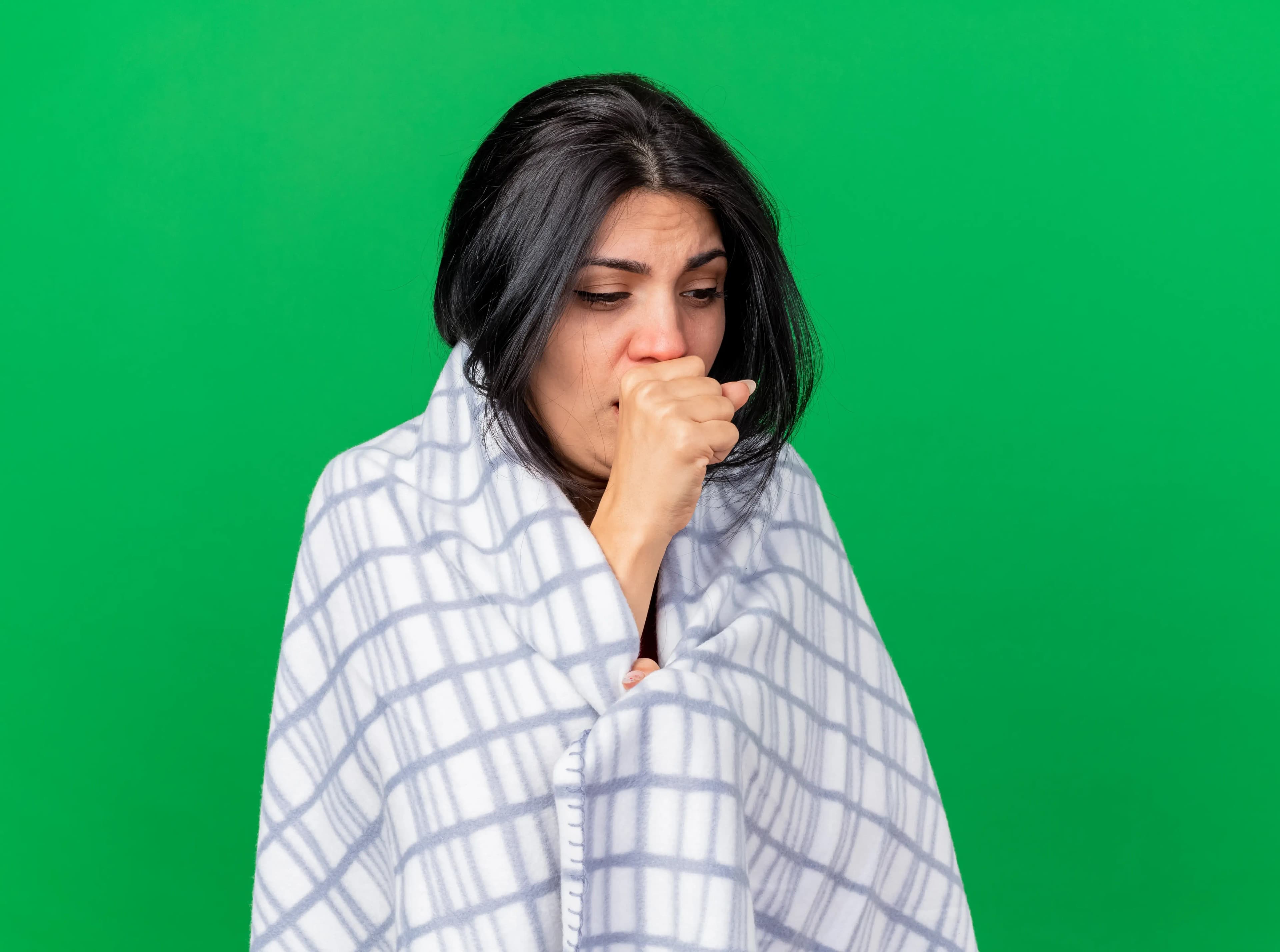


A cough that barely bothers you during the daytime can become surprisingly persistent once you lie down. It may keep you awake, disturb your sleep, and leave your throat sore by morning. But why does this happen?
Night-time coughing is not a disease by itself. It is usually a symptom of another problem, ranging from a simple cold or allergies to acid reflux, asthma or an underlying lung condition. Finding the cause is often key to lasting relief.
Why Does Cough Get Worse at Night?
Several things change when you go to bed. Lying flat can allow mucus to move towards the back of the throat, while stomach acid may travel upwards more easily. Bedroom triggers such as dust, pet dander or dry air can also irritate the airways. The timing of the cough can therefore provide useful clues about its possible cause.
Common Night Cough Causes
1. Postnasal Drip: When mucus from the nose or sinuses drains down the back of the throat, it can trigger the cough reflex. This is often associated with:
- A blocked or runny nose
- Frequent throat clearing
- A feeling of mucus in the throat
- Sneezing, particularly with allergies
Lying down may make the sensation more noticeable, which is one reason coughing can increase at bedtime.
2. Asthma: symptoms can become worse at night for some people. A cough may be the main symptom, particularly in a condition called cough-variant asthma.
You may also notice:
- Wheezing
- Chest tightness
- Shortness of breath
- Cough triggered by cold air, exercise or allergens
3. Acid Reflux: Acid reflux occurs when stomach contents move back towards the food pipe. When you lie down after eating, reflux can become more noticeable and may irritate the throat or trigger coughing.
Possible clues include:
- Heartburn
- Sour or bitter taste in the mouth
- Frequent throat clearing
- Hoarseness
- Cough after meals or when lying down
Not everyone with reflux experiences classic heartburn. can sometimes occur without obvious digestive symptoms.
4. Common Cold or Respiratory Infection: A cold can leave behind a cough even after other symptoms begin to improve. Mucus, throat irritation, and airway inflammation can all contribute. A cough associated with an infection may be accompanied by:
- Runny or blocked nose
- Sore throat
- Fever
- Body aches
- Fatigue
Most uncomplicated viral respiratory infections improve with time. However, worsening symptoms, breathing difficulty or persistent high fever should be assessed by a doctor.
5. Allergies: Bedroom allergens can trigger coughing at night. Dust mites, mould, pet dander and pollen can irritate sensitive airways.
If symptoms occur mainly at home or in the bedroom and are accompanied by sneezing, itchy eyes or a runny nose, allergies may be contributing. Keeping bedding clean, reducing dust accumulation and addressing visible mould can help reduce exposure to common triggers.
6. Chronic Lung Conditions: Conditions such as chronic obstructive pulmonary disease can cause persistent coughing and mucus production. People with these conditions may also experience breathlessness or wheezing.
A cough that has lasted for several weeks, particularly in a smoker or someone with an established lung condition, should not simply be treated with over-the-counter medicines without identifying the cause.
Night Cough Remedies That May Help
The best approach depends on what is causing the cough. Still, a few simple measures may provide relief.
Elevate Your Head: If coughing gets worse after lying flat, raising the head and upper body slightly may help, particularly when postnasal drainage or reflux is involved.
Stay Hydrated: Drinking enough fluids can help keep mucus thinner and soothe an irritated throat. Warm fluids may also feel more comfortable before bedtime.
Avoid Late Heavy Meals: If reflux seems to trigger the cough, avoid lying down soon after eating. Having dinner earlier and limiting foods that clearly trigger your symptoms may help.
Reduce Bedroom Irritants: If allergies are suspected:
- Wash bedding regularly.
- Keep dust under control.
- Keep pets away from the bedroom if they trigger symptoms.
- Address dampness or mould.
- Consider appropriate allergy treatment after consulting a doctor.
Avoid Smoke: Cigarette smoke and other inhaled irritants can aggravate coughing. Avoid smoking and second-hand smoke, particularly around bedtime.
What About Night Cough Medicine?
No single medicine works for every cause of coughing.
For example, an allergic cough may require allergy treatment, while asthma requires appropriate inhaled medication. Reflux-related coughing may improve when reflux is managed. Cough suppressants may provide temporary relief in selected situations, but they are not suitable for everyone. Some cough medicines can also cause drowsiness or interact with other medicines.
For children, pregnant women, older adults and people taking regular medication, it is particularly important to ask a healthcare professional or pharmacist before using a cough medicine.
Do not start antibiotics simply because a cough has lasted several days. Antibiotics do not treat viral infections and should only be used when a bacterial infection is suspected or confirmed and a clinician recommends them.
When Should You See a Doctor?
An occasional cough during a cold is usually not a reason for concern. However, seek medical advice if the pattern changes or the cough does not settle.
See a doctor if:
- The cough lasts for several weeks.
- It repeatedly wakes you from sleep.
- You have wheezing or breathlessness.
- You cough up blood.
- You have unexplained weight loss.
- You have persistent fever.
- You experience chest pain.
- Symptoms are getting progressively worse.
Seek urgent medical care if severe breathing difficulty, bluish lips, confusion, fainting or severe chest pain occurs.
How PB Health Can Support You
If a cough keeps returning at night, the important question is not simply how to stop it, but why it is happening. PB Health Hospital, IFFCO Chowk, Gurgaon, can help you consult the right doctor, who can review your symptoms, medical history, and reports and guide you toward the right evaluation and treatment.
If you are looking for a pulmonologist in gurgaon, PB Health can help you consult a specialist to evaluate persistent night-time coughing, asthma, breathing difficulties and other respiratory concerns.
Conclusion
A cough that worsens at night can have several causes, including postnasal drip, allergies, asthma, acid reflux, respiratory infections, and chronic lung conditions. Simple measures such as staying hydrated, reducing bedroom irritants and avoiding late meals may help, but persistent or recurrent symptoms deserve medical evaluation.
Important Note: If your night-time cough keeps disturbing your sleep, finding the underlying cause is usually more useful than repeatedly reaching for cough medicine.