


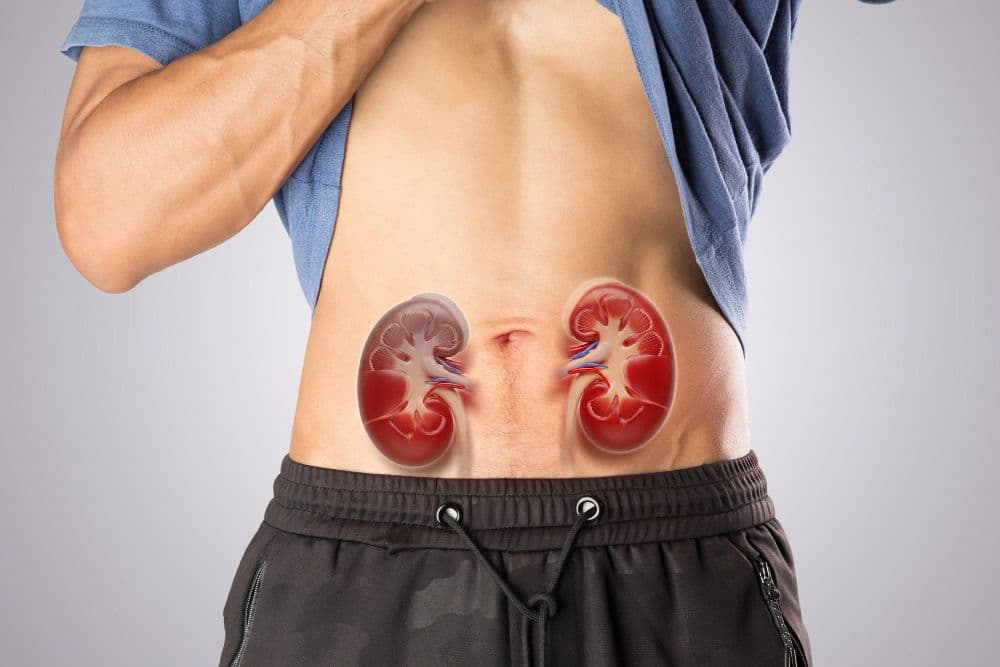
Winter often means cooler mornings, warm drinks, and spending more time indoors. But one habit people may overlook in the colder months is drinking enough water. When you feel less thirsty, it is easy to drink less than your body needs. This can concentrate your urine and may increase the risk of kidney stone formation in susceptible people.
Kidney stones can cause sudden, severe pain and discomfort while passing urine. Although they can develop at any time of year, changes in winter hydration habits may increase the risk. Knowing the warning signs, staying hydrated and seeking timely medical care can help prevent complications.
What Are Kidney Stones?
are hard deposits formed when minerals and salts in the urine collect and crystallise. They can vary in size, from tiny crystals that pass unnoticed to larger stones that obstruct the urinary tract.
Some stones remain in the kidney without causing symptoms. Others move into the ureter, the tube that carries urine from the kidney to the bladder, and may cause intense pain.
Why Can Kidney Stone Risk Increase in Winter?
Kidney stones do not occur simply because the weather is cold. However, certain winter habits and conditions may increase risk, especially in people already prone to stone formation.
1. Drinking Less Water: In winter, thirst may be less noticeable than in summer. Some people also avoid drinking water because they don't want to use the toilet as often in cold weather. When falls, urine becomes more concentrated. This allows stone-forming minerals, such as calcium and oxalate, to crystallise more easily.
2. Changes in Daily Activity: Cold weather may mean fewer and more time sitting indoors. Reduced activity does not directly cause every kidney stone, but prolonged inactivity can contribute to other health concerns, and routine changes may also affect hydration habits.
3. Dietary Changes: Winter meals may include more salty snacks, processed foods or rich dishes. Excess sodium can increase calcium excretion in urine, potentially raising the risk of certain types of stones. A balanced diet and moderate salt intake are useful preventive measures year-round.
4. Previous Kidney Stones: People who have had kidney stones before are more likely to develop them again. Risk also depends on factors such as family history, certain medical conditions, body weight, and stone type. If you've had stones before, staying well hydrated and following your doctor's prevention advice are especially important.
Common Symptoms of Kidney Stones
Symptoms depend on the stone's size and location. Small stones may pass without causing noticeable discomfort, while stones that block urine flow can cause significant pain.
Watch for these signs:
- Severe pain in the side or back: Pain may spread to the lower abdomen or groin and can come in waves.
- Pain while urinating: Passing urine may cause burning or discomfort.
- : Urine may appear pink, red or brown.
- Frequent urge to urinate: You may feel the need to urinate more often, sometimes passing only small amounts.
- Nausea and vomiting: These may accompany severe pain.
- Cloudy or foul-smelling urine: This can occur, particularly if an infection is also present.
How Are Kidney Stones Diagnosed?
If your symptoms suggest a kidney stone, a doctor may recommend investigations to confirm the diagnosis and check whether urine flow is obstructed.
These may include:
- Urine tests: To look for blood, signs of infection or substances associated with stone formation.
- Blood tests: To assess kidney function and check relevant mineral levels.
- Imaging tests: An ultrasound or CT scan may identify stones and assess their location and size.
Treatment Options for Kidney Stones
Treatment depends on the stone's size, location, composition, and whether it blocks urine flow.
1. Passing a Small Stone Naturally: Some small stones pass through the urinary tract without a procedure. Your doctor may recommend adequate fluids, appropriate pain relief, and follow-up to ensure the stone passes safely. Do not force yourself to drink excessive amounts of water during an episode of severe pain or suspected obstruction.
2. Medicines: Depending on the situation, medicines may be prescribed to relieve pain or help certain stones pass. If an infection is present, it needs appropriate treatment.
3. Procedures to Remove or Break Stones: Larger stones or those causing persistent pain, obstruction or other complications may require treatment. Options include shock wave lithotripsy, ureteroscopy and, for selected larger stones, percutaneous nephrolithotomy.
Your urologist will recommend the most appropriate option based on the findings.
How to Reduce Your Risk During Winter
A few consistent habits can help lower the risk of developing kidney stones.
- Drink enough water: Sip fluids regularly throughout the day, even when you do not feel thirsty. Your doctor may recommend a specific fluid target based on your health and stone history.
- Check your urine colour: Pale yellow urine can be a useful general indicator of hydration, although colour alone cannot determine your hydration status or stone risk.
- Reduce excess salt: Limit packaged snacks, pickles and heavily salted foods.
- Eat a balanced diet: Include fruits, vegetables and adequate dietary calcium. Do not eliminate calcium-rich foods unless your doctor advises you to do so.
- Stay physically active: Regular movement supports overall health.
- Follow personalised advice: If you have had kidney stones before, your doctor may recommend stone analysis or additional tests to help prevent recurrence.
People with kidney or heart conditions who have been advised to restrict fluids should follow their clinician's recommendations rather than increasing water intake independently.
Conclusion
Kidney stones can develop year-round, but reduced water intake in winter may increase the risk in susceptible individuals. Drinking adequate fluids, limiting excess salt and recognising early symptoms can help protect your urinary health. If you suspect a stone, seek medical advice rather than relying on home remedies alone.
How PB Health Can Support You
At PB Health Hospital, IFFCO Chowk, Gurgaon, patients experiencing severe flank pain, blood in the urine or other symptoms suggestive of kidney stones can consult Dr Vikas Gupta, Consultant, Department of Urology. A consultation can help identify the cause of your symptoms and guide appropriate investigations and treatment.
Book a consultation: Visit PB Health to explore appointment options. Seek urgent medical care for severe pain with fever, chills or difficulty passing urine.