

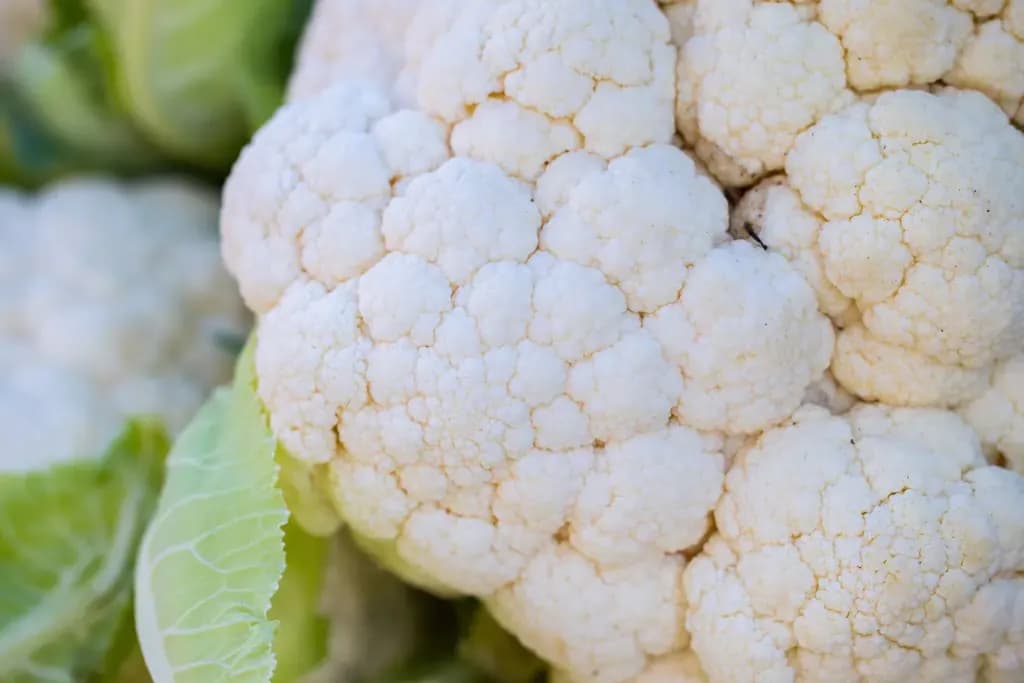
We all love flowers, but did you know there’s one flower you can eat?
Cauliflower, also known as gobhi (गोभी), phool gobhi, or kovi (कोवी), is not just tasty but also good for health, especially for people with diabetes. It is light, easy to cook, and a good fit for everyday meals.
And we know - you’re already thinking about all the tasty dishes made with gobhi! Wait a little, keep reading, because we’ve got 11 simple and delicious cauliflower dishes recommended by our expert nutritionists. From crispy parathas to comforting curries, these dishes are full of flavour and good for your health. Let’s explore!
So Many Types of Cauliflower! Which One Have You Seen?
Next time you visit the sabzi mandi, look for these colourful cauliflowers:
1️⃣ White Cauliflower – The regular one we all use for sabzis and parathas.
2️⃣ Green Cauliflower – Looks like a mix of broccoli and cauliflower. It has chlorophyll, which gives it the green colour (the same thing that makes leaves green!).
3️⃣ Orange Cauliflower – Has a natural orange colour because of beta-carotene (also found in carrots), which is good for the eyes.
4️⃣ Purple Cauliflower – A bright purple variety that stands out. It has anthocyanins, the same natural colour found in blueberries.
What is the Nutritional Value of Cauliflower?
Cauliflower is a low-calorie, high-fibre vegetable packed with essential nutrients. Here’s what you get in 100 grams of cauliflower:
| Nutrient | Nutritional Value* (per 100 gm) |
|---|---|
| Energy | 23 kcal |
| Carbohydrate | 2 gm |
| Protein | 2 gm |
| Total Fat | 0 gm |
| Total Fiber | 4 gm |
| Natural Sugar | 0 gm |
| Total Starch | 1 gm |
| *as per IFCT, 2017 | |
Besides these, cauliflower is also rich in Vitamin C, Vitamin K, Folate (Vitamin B9), Choline, and Antioxidants. These nutrients help boost immunity, support bone health, aid brain function, and protect cells from damage.
What is the Glycemic Index of Cauliflower?
GI, or glycemic index, is a number that indicates how quickly a food raises blood sugar levels. Foods with a low GI are digested slowly, causing a gradual rise in blood sugar.
Cauliflower has a Glycemic Index (GI) of just 10, which is very low! So it won't cause a sudden rise in your blood sugar levels, and it will keep you full for longer.
Does Cauliflower Raise Blood Sugar?
No, cauliflower does not significantly raise blood sugar. It has a low glycemic index (GI) of 10, meaning it is digested slowly and causes only a gradual and minimal rise in blood sugar levels.
Since cauliflower is low in carbohydrates and high in fiber, it helps control blood sugar and keeps you fuller for longer. This makes it a great choice for people with diabetes. However, do remember that the way you cook also matters.
If you deep-fry it or make it in heavy gravies like cashewnut gravy, or, say, make aloo gobhi and load the dish with aloo and significantly less gobhi, then the entire purpose of having it is defeated.
Including cauliflower in your diet can support steady energy levels without causing sugar spikes, making it a healthy addition to meals.
What are the Health Benefits of Cauliflower in Diabetes?
Cauliflower is a great addition to a diabetes-friendly diet due to its low carbohydrate content, high fiber, and powerful antioxidants. Here’s how it helps:
1. Improves Insulin Sensitivity – Compounds in cauliflower, such as sulforaphane, help the body better use insulin and reduce inflammation.
2. Rich in Antioxidants – Cauliflower contains polyphenols and flavonoids, which help protect cells from damage caused by high blood sugar.
3. Supports Heart Health – It helps lower bad cholesterol (LDL) and triglycerides, reducing the risk of heart disease, which is often linked to diabetes.
4. Aids Digestion and Weight Management – High fiber helps keep digestion smooth and supports weight control, which is important for managing diabetes.
What Are the Other Health Benefits of Cauliflower?
Apart from helping with blood sugar control, cauliflower is packed with important nutrients and bioactive compounds that may support overall health.
1️⃣ Rich in Antioxidants – Cauliflower contains polyphenols, flavonoids, and glucosinolates, which help protect cells from oxidative stress and inflammation. These compounds may help reduce the risk of chronic diseases.
2️⃣ May Support Brain Health – Some studies suggest that the antioxidants in cauliflower may help protect memory and brain function, and may lower the risk of diseases like Alzheimer’s and Parkinson’s.
3️⃣ Helps Maintain Bone Health – Cauliflower contains vitamin K, calcium, and magnesium, which help keep your bones strong and healthy.
4️⃣ Supports Detoxification – Natural compounds like sulforaphane and glucosinolates help the body’s detox process, assisting in the elimination of harmful substances.
5️⃣ May Play a Role in Cancer Prevention – Chemical compounds such as glucosinolates and isothiocyanates in cauliflower help protect cells from damage, which could reduce the risk of certain cancers.
What Are the Side Effects of Eating Too Much Cauliflower?
1️⃣ Gas and Bloating – Cauliflower is high in fiber and sulphur compounds, which can cause gas and bloating, especially if eaten in excess.
2️⃣ May Affect Thyroid Function – It contains goitrogens, which in very large amounts may interfere with thyroid function, particularly in people with iodine deficiency. Cooking reduces this effect.
3️⃣ Digestive Discomfort – Too much fiber at once may lead to constipation or diarrhea, especially if your body isn’t used to a high-fibre diet.
4️⃣ Can Interact with Blood Thinners – Cauliflower is rich in vitamin K, which helps with blood clotting. People taking blood-thinning medications should not consume excessive amounts in raw form.
5️⃣ May Lower Blood Sugar Too Much – Since cauliflower helps control blood sugar, people on diabetes medication should consume it in moderation to avoid very low sugar levels.
Eating cauliflower in moderate amounts is safe and beneficial for most people.
11 Healthy Cauliflower Recipes for People with Diabetes
Cauliflower is a healthy vegetable that can be used in many everyday dishes. These recipes use simple ingredients and cooking methods that help manage blood sugar levels.
1. Gobi Paratha (Stuffed Flatbread)
A healthier version of the stuffed flatbread (paratha) made with whole wheat or millet flour instead of refined flour. Cook with minimal oil and eat with low-fat curd instead of butter.
2. Gatte Wali Gobi Curry (Cauliflower with Gram Flour Dumplings)
A simple dish where cauliflower is cooked with gram flour dumplings in a curd-based gravy. It is rich in protein and does not include high-carb ingredients like potatoes.
3. Gobi Thepla (Flatbread with Cauliflower)
A lighter version of the traditional thepla made with whole wheat or millet flour. Adding fenugreek leaves (methi) and using less oil makes it healthier.
4. Gobi Pithla (Cauliflower in Gram Flour Gravy)
A thick, filling curry made with gram flour and cauliflower, cooked with mustard seeds, garlic, and curry leaves. It is a good choice for those managing blood sugar.
5. Gobi Poriyal (Cauliflower Stir-Fry with Coconut)
A quick stir-fry with cauliflower, coconut, and mild spices. It is light on the stomach and pairs well with dal and roti or rice alternatives.
6. Gobi Kosambari (Cauliflower and Lentil Salad)
A fresh salad made with finely chopped cauliflower, soaked moong dal, and a mild tempering of mustard seeds and green chillies. It is a light, fibre-rich option.
7. Spiced Cauliflower Rice (Rice Alternative)
A low-carb alternative to regular rice. Grated cauliflower is lightly cooked with spices, making it a great option for those looking to cut down on starch.
8. Bengali Chorchori (Cauliflower and Mixed Vegetables)
A stir-fry made with cauliflower, pumpkin, and beans, flavoured with mustard seeds and ginger. It is full of fiber and helps keep blood sugar levels stable.
9. Gobi Besara (Cauliflower in Mustard Sauce)
A mustard-based cauliflower and pumpkin curry that is lightly spiced and does not use heavy cream or excess oil. It is good for digestion and diabetes management.
10. Gobi Tenga (Cauliflower in Light Tangy Gravy)
A light and slightly sour curry made with cauliflower, tomatoes, and lemon juice, which is simple and healthy without rich ingredients like butter or ghee.
11. Baked Cauliflower Bites (Alternative to Pakoras)
A healthier version of deep-fried pakoras. Cauliflower pieces are coated in gram flour batter and baked or air-fried rather than deep-fried.
|
Eat Smart! We know some of these dishes might be your favourites, but portion control is very important, even with healthy food. Enjoy them in small portions to help keep your blood sugar steady and stay healthy. |
And there are many more recipes you love that can be made healthier without compromising on taste.
Conclusion:
Cauliflower is a healthy vegetable for people with diabetes because it is low in carbs and helps keep blood sugar levels steady. 🥦
How Can PB Health Support You?
When someone in your family needs medical care, you should not have to worry about what comes next or who will take care of each step.
At PB Health, we believe good healthcare depends on proper planning and regular follow-ups. Our doctors and care teams work together, supported by technology that helps track progress, organize follow-ups, and keep all information clear and accessible. From prevention to recovery, every stage is managed carefully so that nothing important is overlooked.
To learn more about our approach, visit the PB Health website.