

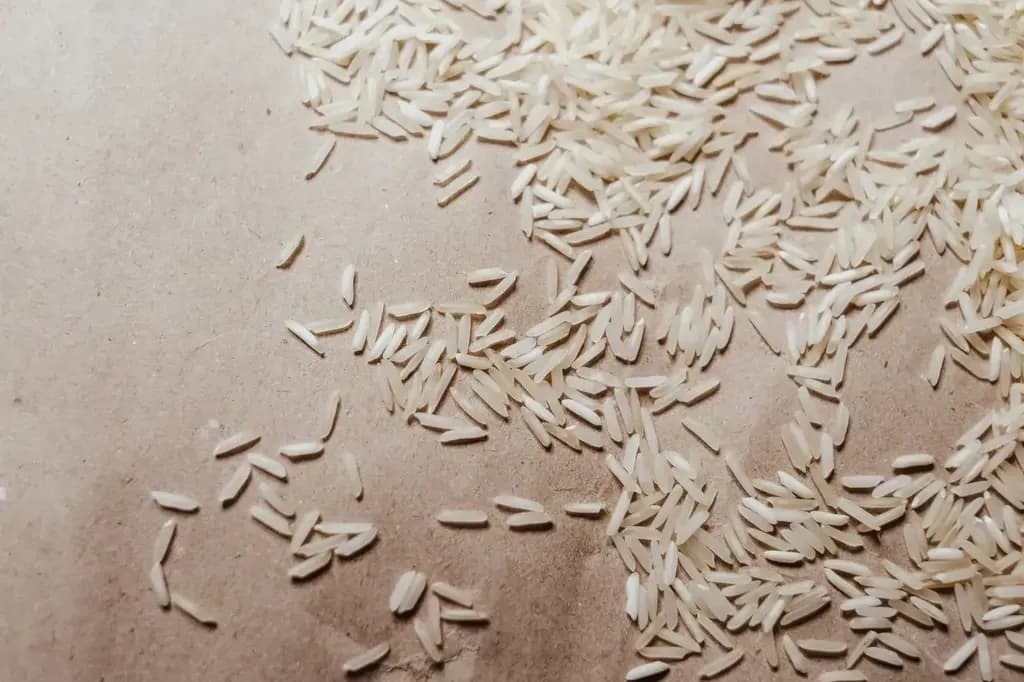
When managing diabetes, choosing the right type of rice can make a significant difference. Basmati rice for diabetes is often regarded as a better option compared to regular white rice. But is it truly a healthier choice for people with diabetes?
Let us learn what makes basmati rice unique and whether it can be part of a diabetes-friendly diet.
Not Just Its Aroma: Basmati Rice Is Much More Than You Think
Basmati rice, with its long, slender grains and unique aroma, is a staple in many households. Mostly grown in India and Pakistan and is considered a premium variety of rice.
It comes in two main types, white basmati and brown basmati, and both offer distinct health benefits, particularly for individuals managing blood sugar levels.
What are the Types of Basmati Rice?
Basmati rice comes in two main types: white and brown.
1. White Basmati Rice
This is the most consumed type. It has been milled to remove the bran, giving it a soft texture and a light, fragrant aroma. While it cooks quickly, it has a higher glycemic index compared to its brown counterpart.
2. Brown Basmati Rice
This variety retains the bran layer, making it more nutritious. It has more fibre, vitamins, and minerals, and is a healthier option for those managing blood sugar levels. However, it takes a bit longer to cook and has a slightly chewier texture.
Both types offer the signature aroma and long-grain texture that Basmati is known for, but Brown Basmati is often considered the better option for overall health.
What is the Nutritional Value of Basmati Rice?
Basmati rice provides essential nutrients that can support a balanced diet. As per the Indian Food Composition Table (IFCT, 2017), per 100 grams:
| Nutrient | Nutritional Value* (per 100 g) |
|---|---|
| Energy | 364.0 kcal |
| Carbohydrate | 61.0 g |
| Protein | 19.0 g |
| Total Fat | 6.0 g |
| Calcium | 110.0 mg |
| Iron | 6.3 mg |
| Total Fiber | 17.0 g |
| Total Sugar | 11.0 g |
*As per IFCT, 2017.
What is the Nutritional Differences in Rice Varieties?
Regardless of the type or variety, all rice contains calories. The primary distinction lies in their glycemic index (GI) and the behavior of starch during digestion.
● Short-grain rice (naram chawal) generally has a higher GI, meaning it causes quicker spikes in blood sugar levels. Examples of this rice include Sona Masuri, Kolam, and Gobindobhog.
● On the other hand, long-grain rice, that is, basmati, has a lower GI, making it a better option for people with diabetes. Basmati rice also retains its structure when cooked, resulting in separated grains (khila-khila chawal), while short-grain rice tends to merge more when cooked.
Did You Know?
According to studies, brown rice generally produces lower postprandial glucose (PPG) and insulin responses than white rice when cooked for the same duration.
White vs. Brown Basmati Rice: Fibre Content
While the starch content in white and brown rice is similar, the key difference lies in their fibre content. Brown basmati rice contains significantly more fibre compared to white basmati rice.
As a result, consuming a medium katori of brown basmati rice leads to a lower blood sugar spike than white basmati rice.
What is the Glycemic Index (GI) of Basmati Rice?
The glycemic index of basmati rice ranges from 50 to 58, which is classified as low to moderate. This is significantly lower than regular white rice, making it a preferable choice for people with diabetes, as it leads to a slower release of sugar into the blood.
Below is the GI of various varieties of basmati rice for the same:
| Basmati Rice Variety | Glycemic Index (GI)* |
|---|---|
| White Basmati Rice | 50–58 (Moderately Low to Medium) |
| Brown Basmati Rice | 45–52 (Low to Moderately Low) |
| Aged Basmati Rice | 50–55 (Moderately Low to Medium) |
| Parboiled Basmati Rice | 40–45 (Low) |
For basmati rice, the starch content usually falls between 75-80g per 100g. However, slight variations can occur depending on the rice variety, processing method, source, and cooking method/time.
The exact GI can vary depending on specific factors like cooking methods, aging of the rice, and regional varieties.
Sugar Content in Basmati Rice
Basmati rice contains no added sugar. Although its carbohydrate content naturally breaks down into glucose during digestion, its low glycemic index ensures that it does not cause sharp blood sugar spikes, unlike regular white rice.
Is Basmati Rice Good for Diabetes?
Basmati rice for diabetes can be a great option, especially when compared to regular rice. Its low GI ensures that blood sugar levels remain stable after a meal.
However, moderation is key. Pairing basmati rice with fibre-rich vegetables and lean proteins further supports blood sugar management.
What are the Health Benefits of Basmati Rice for People with Diabetes?
● Better Blood Sugar Control: The slow-release carbohydrates help in avoiding sharp spikes in blood sugar.
● Rich in Fibre: Brown basmati, in particular, is high in fiber, which improves digestion and promotes better glycemic control.
● Low in Fat: Basmati rice is naturally low in fat, making it a heart-healthy option, especially for those managing diabetes-related complications.
Which is Better for Diabetes: White Basmati vs. Brown Basmati Rice?
When managing diabetes, brown basmati rice is generally considered the better option due to its higher fiber content, which helps slow digestion and reduce blood sugar spikes.
Brown basmati rice retains the bran layer, providing more vitamins and minerals and making it a healthier choice for overall blood sugar control.
While lower in fiber, white basmati rice is still a better choice than regular white rice and can be consumed in moderation as part of a healthy, balanced meal.
Basmati rice and diabetes can coexist harmoniously if portion control and meal balancing are maintained. The best approach is to incorporate both types of basmati rice alternatively into your diet with proper portion control.
Pairing either variety with high-fibre vegetables like spinach (palak), okra (bhindi), or beans (phaliyan), and lean proteins such as grilled chicken, paneer, or dal can help stabilize blood sugar levels and create balanced, diabetes-friendly meals.
How to Add Basmati Rice to Your Diabetes-Friendly Diet?
Incorporating basmati rice into a diabetes-friendly diet is all about balance and portion control. Here are some tips to enjoy basmati rice while keeping your blood sugar in check:
1. Watch Your Portions
Limit your serving to a small or medium bowl (1/2 to 1 cup) to avoid a spike in blood sugar.
2. Pair with Protein and Fiber
Combine basmati rice with high-fibre vegetables such as spinach (palak), okra (bhindi), or beans (phaliyan), and lean proteins like grilled chicken, paneer or lentils (dal) to slow down the digestion and absorption of carbohydrates.
3. Add Healthy Fats
You can add healthy fats like nuts [such as cashews (kaju) or almonds (badam)] while preparing dishes like vegetable pulao or veg biryani. These not only enhance flavor but also add healthy fibre and slow down the digestion process, helping to manage blood sugar levels.
4. Choose Brown Basmati Rice
If you prefer more fibre, consider brown basmati rice, which contains more fibre than regular white rice.
5. Alternate with Low-GI Grains
Rotate your rice meals with low-GI grains like millets (bajra), barley (jau), or oats (jai) to maintain variety and better blood sugar control.
6. Eat it as a Part of Balanced Meals
Use basmati rice in small quantities in dishes like vegetable pulao, khichdi, or stuffed parathas to ensure a balanced intake of nutrients.
What are the Disadvantages of Eating Basmati Rice Every Day?
While basmati rice can be beneficial due to its lower glycemic index, eating it every day in large quantities may increase your overall carbohydrate intake, which can negatively affect blood sugar management.
One of the main challenges with rice is that it's often difficult to measure portions accurately, leading to overeating and making blood sugar control harder.
To maintain balance, it's important to rotate with other low-GI, diabetes-friendly grains such as:
● Barley (Jau): Rich in fibrefibrefibre and helps manage blood sugar levels.
● Millets (Bajra): High in fiber and with a low glycemic index, making them great alternatives.
● Oats (Jai): Known for their slow digestion and steady release of glucose.
● Amaranth (Rajgira): A gluten-free grain packed with nutrients and fiber, supporting blood sugar control.
Can People with Diabetes Eat Brown Rice Every Day?
While brown rice is often recommended for its fibre content (4.43 grams per 100 grams), it's important to note that white basmati rice, with its higher fibre content (17 grams per 100 grams), can be a better option for people with diabetes.
The key is to focus on the glycemic index (GI) and portion control rather than simply assuming brown rice is always better.
In both cases, managing portion sizes and combining rice with other low-GI foods can help keep blood sugar levels steady.
Conclusion:
Basmati rice, especially brown basmati, can be a good choice for people with diabetes due to its low to moderate glycemic index and higher fibre content. Portion control, paired with vegetables, lean proteins, and healthy fats, can help keep blood sugar levels stable. Both white and brown basmati rice can be enjoyed in moderation as part of a balanced, diabetes-friendly diet.
How Can PB Health Support You?
When it comes to your health, every step matters.
At PB Health, we do more than treat illness. We help you stay healthy, provide treatment when needed, and support recovery and home care. Every stage of your health journey is managed carefully, so nothing is missed, and you can focus on what truly matters.
To learn more about our approach, visit PB Health.